.svg) info@scarsandlasers.co.nz
info@scarsandlasers.co.nz
15 Green Lane East, Remuera, Auckland, New Zealand

Monday - Friday: 7:45 am - 5:00 pm

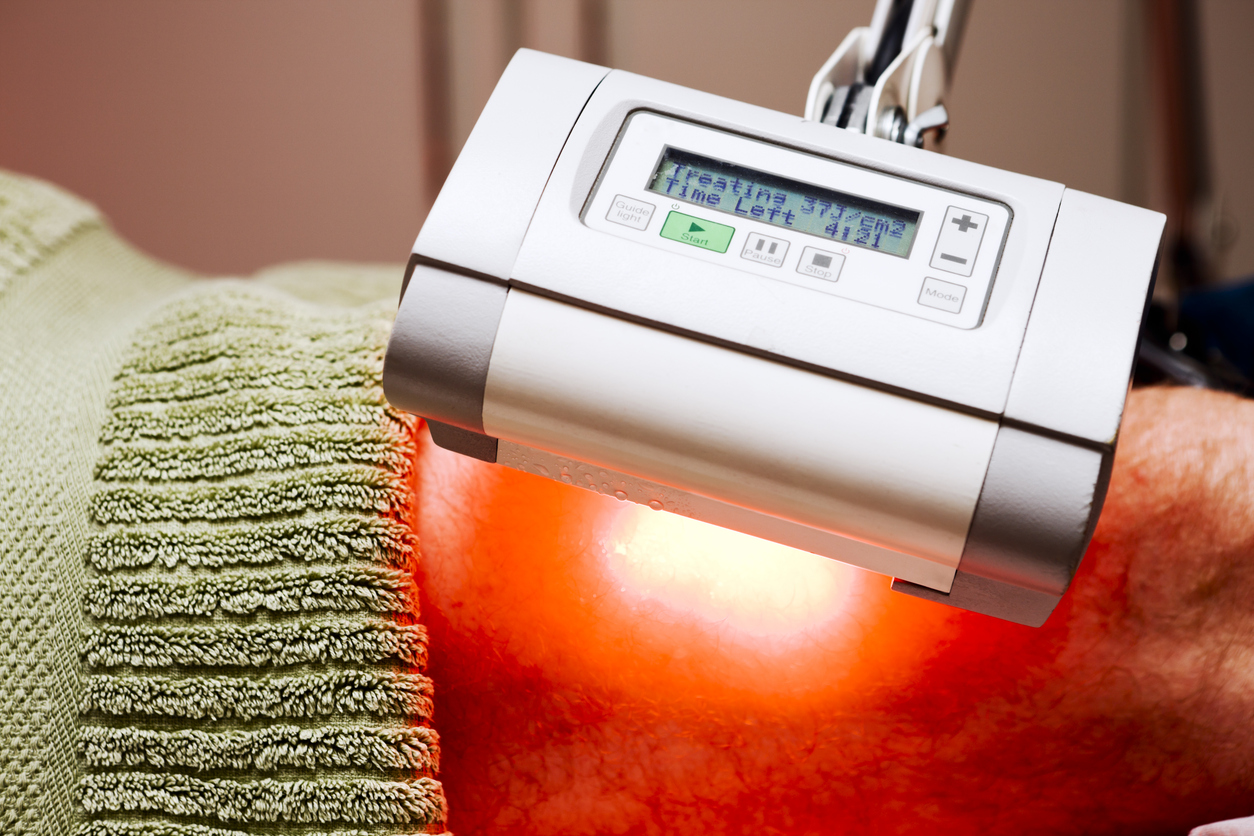
Photodynamic Therapy (PDT) is a well-established, evidence-based treatment used to target sun damage (solar keratoses) and selected superficial skin cancers, including intraepithelial carcinomas (IECs/Bowen’s disease) and superficial basal cell carcinomas (BCCs).
Depending on your condition, one to two treatment sessions are typically required. A specialised photosensitising cream is applied to the skin and allowed to absorb before being activated with a bright light. Once activated, the treatment selectively destroys abnormal or cancerous cells while preserving surrounding healthy skin.
PDT is highly effective and also offers excellent cosmetic outcomes, often improving skin texture and reducing visible sun damage while treating the underlying problem areas.
Duration of results
:
Years
Back to work
:
1 - 5 days
Anaesthetic
:
Topical anaesthesia
Best Outcomes
:
1-3 sessions
Cost
:
$$$
Procedure time
:
45 minutes - 2 hours
Your specialist
:
Dermatologist, Nurse Specialist


Your doctor will first confirm the treatment area. Any rough or scaly skin is gently removed to help the cream absorb properly. A photosensitising cream is then applied:
After the incubation time, the area is exposed to a bright treatment light for around 10 minutes (blue light for ALA, red light for MAL). This part can feel warm or stinging, but cooling fans, sprays, and local anaesthetic can help make it more comfortable. You may also take paracetamol beforehand if advised by your doctor.
You must avoid all sun exposure on the day of treatment and for 48 hours afterward to prevent an excessive reaction.
Daylight Photodynamic Therapy (Daylight PDT) is a gentler alternative to traditional PDT. Instead of activating the treatment cream with a bright clinic light, the cream is activated by natural sunlight. This makes the procedure significantly less painful, with most patients describing only mild warmth or tingling. Daylight PDT is ideal for treating large areas of sun damage, such as the face or scalp, and generally results in shorter downtime.
It is performed by applying the photosensitising cream and then spending a set period outdoors in natural daylight, under your clinician’s guidance. Daylight PDT is safe, effective, and a popular option for patients wanting a more comfortable treatment experience.
Your skin will be red, warm, swollen, and may develop crusting over the treated areas. These effects are expected and usually settle over several days. Many patients require 3–7 days off work, especially for public-facing roles.
Compared with other treatments for solar keratoses, PDT generally offers faster healing and less downtime.
The photosensitising cream makes your skin extremely sensitive to light for 48 hours. Even brief sun exposure can trigger a severe reaction, causing excessive burning, redness, and swelling. Staying indoors and keeping sunlight out of your home is essential for safe healing.
PDT is a highly effective treatment for sun-damaged skin:
Because only certain areas of the face can be safely treated at one time, you may need multiple sessions. Sun-damaged skin can also form new lesions over time, so repeat treatments are common in future years.
PDT is highly effective for treating sun-damaged skin and certain superficial skin cancers.
Because only part of the face or scalp can be safely treated at one time, your treatment may be staged over several sessions. Sun-damaged skin can also produce new lesions over time, so repeat treatments may be needed in the future.
Yes – PDT is safe when performed by trained clinicians.
Temporary side effects may include redness, swelling, crusting, and increased sun sensitivity for a few days. Daylight PDT typically has fewer side effects.
For all appointment enquiries, medical referrals and urgent enquiries please contact us at info@scarsandlasers.co.nz or (09) 524 5011.
