.svg) info@scarsandlasers.co.nz
info@scarsandlasers.co.nz
15 Green Lane East, Remuera, Auckland, New Zealand

Monday - Friday: 7:45 am - 5:00 pm

Early thin melanomas are melanomas caught at an early stage—either still on the surface layer of skin (epidermis) or with only minimal invasion into deeper layers.
They can look like a new mole, or a mole that’s changing, and the ABCDE checklist helps spot warning signs:
Melanoma is treated by surgically excising the lesion, along with a safety margin of surrounding skin, to make sure the entire tumour is removed and the pathology shows clear margins (no melanoma cells at the cut edge). The amount of normal skin taken depends on how early the melanoma is—for example, melanoma in situ typically needs a smaller margin than an early invasive (stage I) melanoma—and the procedure is often done under local anaesthetic as a minor operation. Even when the melanoma has been fully removed, ongoing follow-up is important because a prior melanoma diagnosis increases the chance of developing another melanoma in the future, so regular skin checks, self-monitoring for new or changing lesions, and consistent UV protection remain part of long-term care.
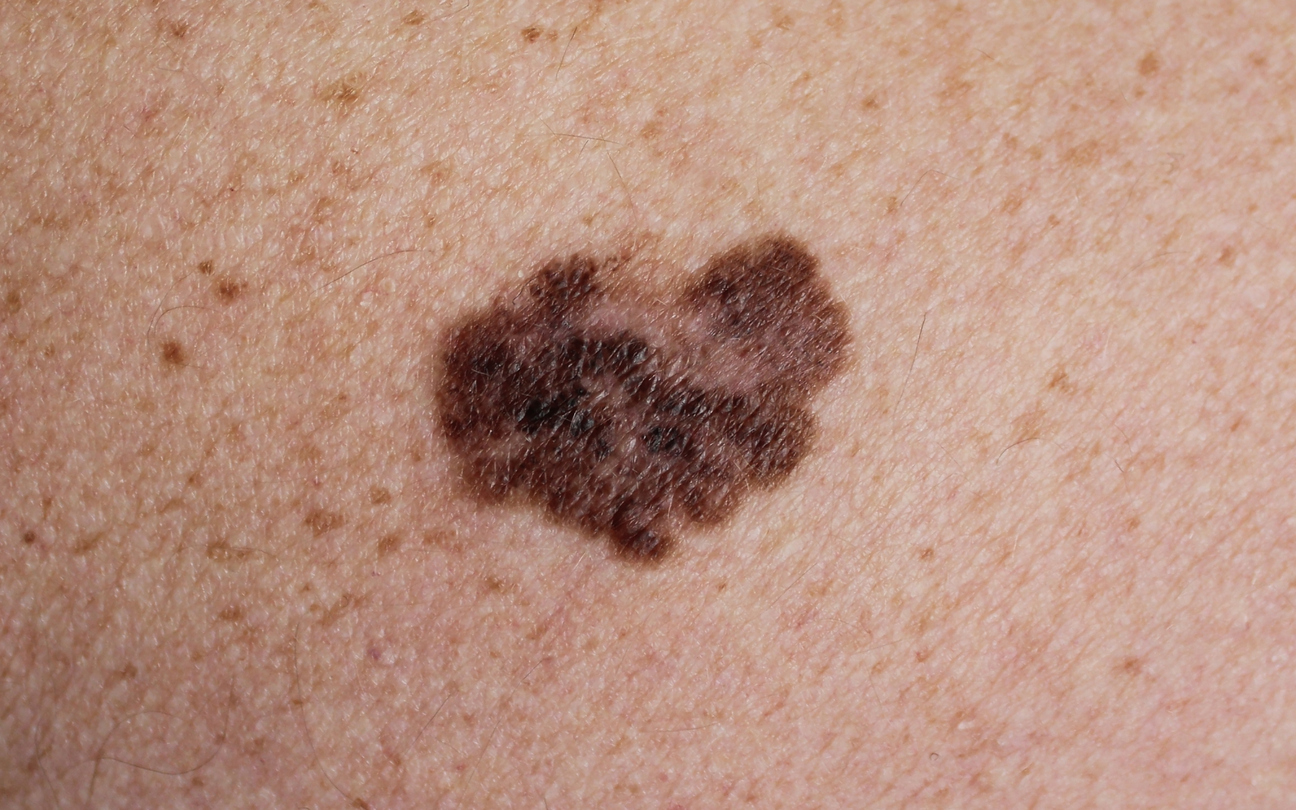

An early thin melanoma is one of the earliest and most treatable forms of melanoma, also referred to as melanoma “in situ” (stage 0) or stage I melanoma. It is typically confined to the outermost layer of skin (the epidermis), or has only minimally invaded the layer beneath (the dermis). These are usually considered “thin” when the measured thickness (Breslow depth) is about <0.7–1.0 mm. Because these are caught early, the page highlights that prognosis is excellent when diagnosed and treated promptly.
They often show up as a new mole or a mole that is changing over time. That “change” can be in the mole’s size, shape, or colour, and sometimes includes new symptoms (like itching or bleeding). The page recommends using the ABCDEs as a practical way to notice suspicious changes early.
The ABCDE rule is a simple checklist to help identify moles that may be concerning:
In practice, “E for Evolution” is especially useful—if something is changing, it’s worth getting assessed.
The main treatment is surgical excision. This means removing the melanoma and also removing a margin of surrounding healthy-looking skin around it. The purpose is to ensure all melanoma cells are removed, rather than just “taking the spot off the surface.”
The page notes recommended surgical margins of 0.5–1.0 cm for melanoma in situ, and 1.0 cm for stage I melanoma, with stage I excision including the underlying subcutaneous fat. Margins matter because the goal is to achieve clear margins—meaning there are no cancer cells at the edges of the removed tissue. Clear margins significantly reduce the chance of the melanoma coming back in that area.
The page describes the metastasis risk as low for early thin melanomas. However, it also stresses that complete removal is essential to prevent progression. In other words: even though the risk is low at this stage, treating it properly and early is what keeps outcomes favourable.
Yes. The page emphasises that even after successful removal, ongoing monitoring is crucial, because people who have had one melanoma have an increased risk of developing additional melanomas. Follow-up frequency is based on risk factors such as family history, number of atypical moles, and past sun exposure/sunburn history. Self-checks at home are also encouraged—routinely checking for new or changing moles and staying educated on early warning signs.
After an early thin melanoma is removed, the focus usually shifts to three things: protecting your skin from UV, understanding your longer-term outlook, and knowing what changes if a melanoma is thicker or higher-risk.
Sun protection becomes non-negotiable because UV exposure is one of the main drivers of melanoma risk. A good baseline is: wear broad-spectrum SPF 50+ every day (reapply if you’re outdoors), use protective clothing (hat, sunglasses, long sleeves when practical), and try to avoid peak UV hours (often around 10am–4pm). Tanning beds are best avoided entirely. These habits aren’t about being perfect — they’re about reducing cumulative UV damage over years, which is what tends to matter most.
Prognosis for stage 0 (in situ) and stage I melanomas is generally very strong because they’re caught early and treated effectively with complete removal. Even so, having one melanoma can mean your baseline risk of developing another melanoma (or other skin cancers) is higher than average — especially if you have risk factors like lots of moles, atypical moles, strong past sun exposure/sunburn history, fair skin, or family history. That’s why follow-up checks and regular self-skin checks are still important: they help catch anything new early, when it’s easiest to treat.
If a melanoma is found to be thicker or higher-risk, the pathway often becomes more “team-based.” That can involve specialist input for more detailed staging and planning, and sometimes additional steps beyond a straightforward excision. In practical terms, it usually means closer surveillance and a more structured plan, so nothing is missed and treatment decisions are made with the full picture in mind.
ACC funding eligibility is determined by the Accident Compensation Corporation on a case-by-case basis. Approval is dependent on injury acceptance, clinical indication, and ACC policy at the time of application. Not all treatments offered at Scars & Lasers are ACC-funded. Private fees may apply for unfunded components of care.