.svg) info@scarsandlasers.co.nz
info@scarsandlasers.co.nz
15 Green Lane East, Remuera, Auckland, New Zealand

Monday - Friday: 7:45 am - 5:00 pm

Some skin cancers require urgent assessment and treatment because they can grow rapidly, invade deeper tissues, damage surrounding structures, or spread to lymph nodes and internal organs. While many skin cancers are slow growing, others — particularly certain melanomas and aggressive squamous cell carcinomas — may progress quickly over weeks to months. Warning signs include rapid enlargement, bleeding, ulceration, pain, tenderness, colour change, or the sudden appearance of a new lesion.
At Scars & Lasers, specialist dermatologists assess suspicious or rapidly changing skin lesions using advanced dermatological expertise, dermoscopy, and where appropriate, biopsy and histopathological analysis. Early diagnosis and timely treatment are critical in achieving the best possible medical and cosmetic outcomes.
Skin cancers develop when DNA damage within skin cells causes uncontrolled cellular growth. While ultraviolet (UV) radiation from sun exposure remains the most common cause, genetics, immune suppression, previous radiation exposure, chronic inflammation, and advancing age may also contribute.
Not all skin cancers behave the same way. Some grow slowly over years, while others can become invasive or metastatic within a relatively short period of time.
Higher-risk and potentially urgent skin cancers include:
Melanoma is particularly important because of its ability to spread through lymphatic and blood vessels to other organs. Nodular melanoma may grow vertically into the skin very quickly and may not always follow the traditional ABCDE warning signs.
Squamous cell carcinoma may also behave aggressively, especially when poorly differentiated, recurrent, rapidly growing, or occurring in immunosuppressed patients. Certain anatomical locations — including the ear, lip, scalp, and genital region — are associated with increased metastatic risk.
Early specialist assessment allows accurate diagnosis, risk stratification, and appropriate treatment planning, which may include surgical excision, Mohs micrographic surgery, staged reconstruction, or additional investigations where required.
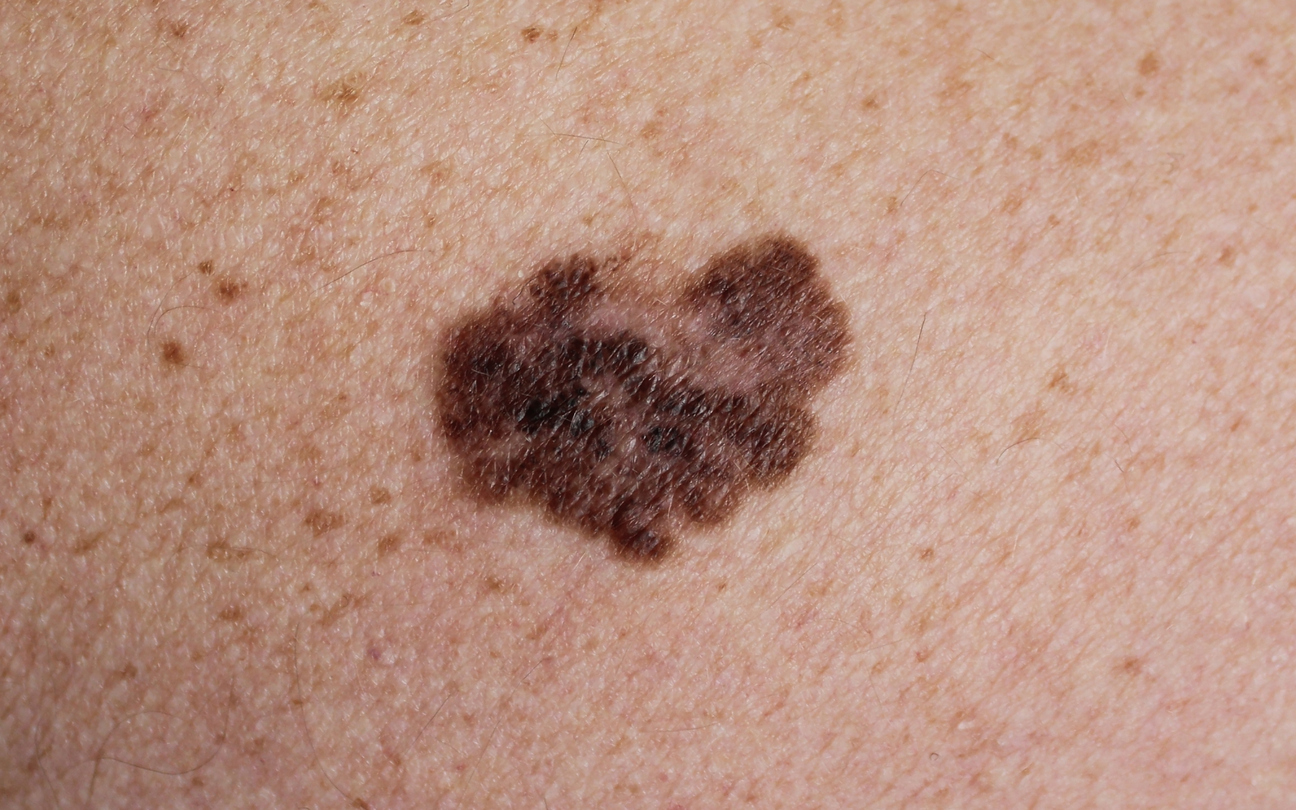

Rapidly growing melanomas, nodular melanomas, Merkel cell carcinoma, and aggressive squamous cell carcinomas are among the most urgent skin cancers requiring prompt specialist assessment and treatment.
Melanoma can spread to lymph nodes and internal organs if not diagnosed and treated early. Early-stage melanoma is often highly curable, whereas advanced melanoma may become life-threatening.
Nodular melanoma is a more aggressive subtype of melanoma that tends to grow downward into the skin rapidly. It may appear as a raised lump and may not always show multiple colours or irregular borders.
Yes. Some skin cancers may enlarge significantly over a few weeks or months. Rapid growth, bleeding, crusting, pain, or ulceration should never be ignored.
The lips, ears, eyelids, nose, scalp, hands, feet, fingers, toes, and genital region are considered higher-risk sites because cancers in these areas may behave more aggressively or require more complex treatment.
A recurrent skin cancer has already demonstrated the ability to persist despite previous treatment. These tumours may have indistinct margins or deeper extension and often require more specialised management.
Yes. Patients taking immunosuppressive medications or those with reduced immune function may develop more aggressive skin cancers with higher recurrence and metastatic potential.
Warning signs include:
Rapidly changing or suspicious lesions should ideally be assessed by a specialist dermatologist as soon as possible to determine whether biopsy or urgent treatment is required.
Treatment depends on the diagnosis, size, location, and aggressiveness of the tumour, but may include surgical excision, Mohs micrographic surgery, staged reconstruction, or referral for additional oncology management where appropriate.
ACC funding eligibility is determined by the Accident Compensation Corporation on a case-by-case basis. Approval is dependent on injury acceptance, clinical indication, and ACC policy at the time of application. Not all treatments offered at Scars & Lasers are ACC-funded. Private fees may apply for unfunded components of care.