.svg) info@scarsandlasers.co.nz
info@scarsandlasers.co.nz
15 Green Lane East, Remuera, Auckland, New Zealand

Monday - Friday: 7:45 am - 5:00 pm

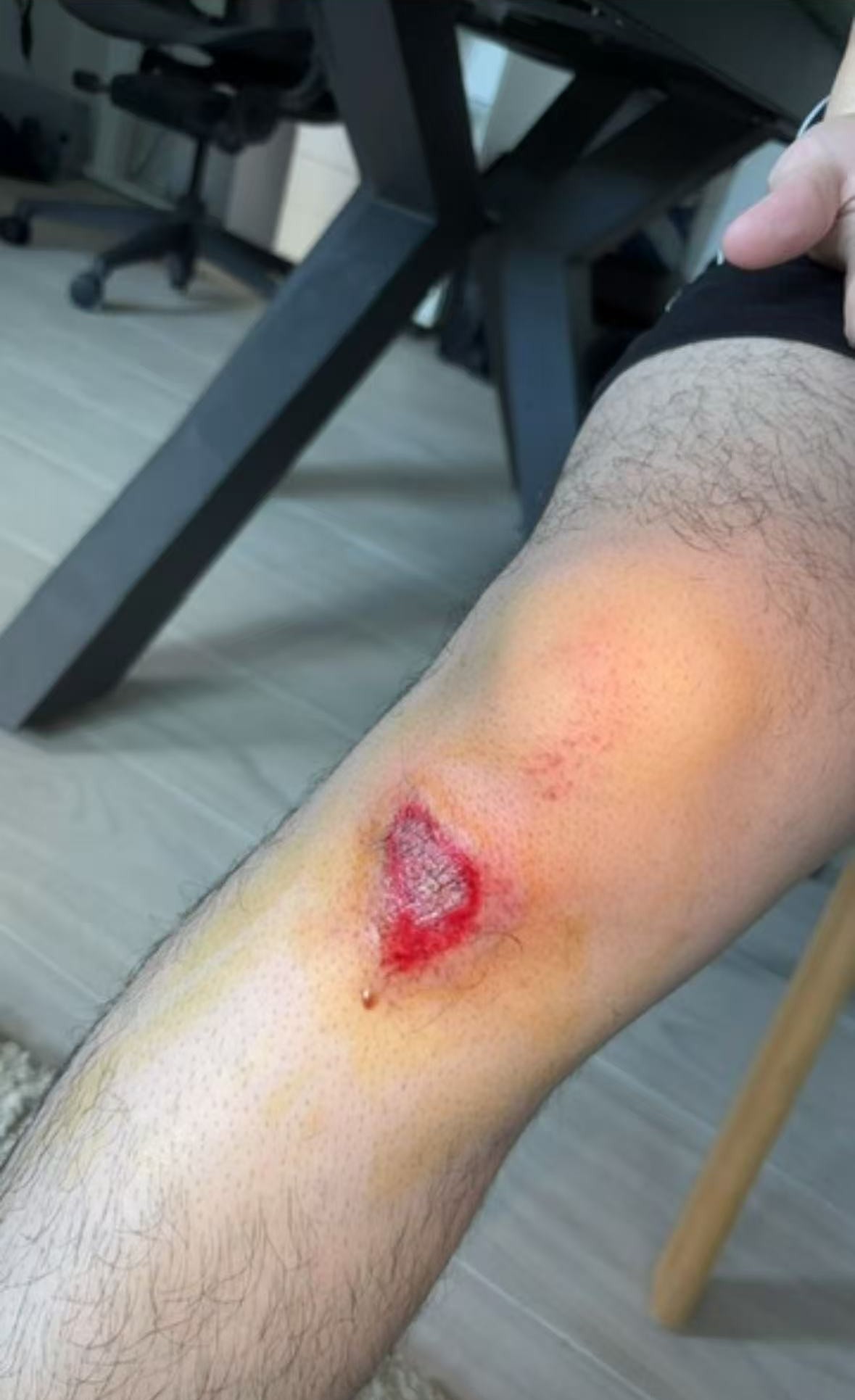
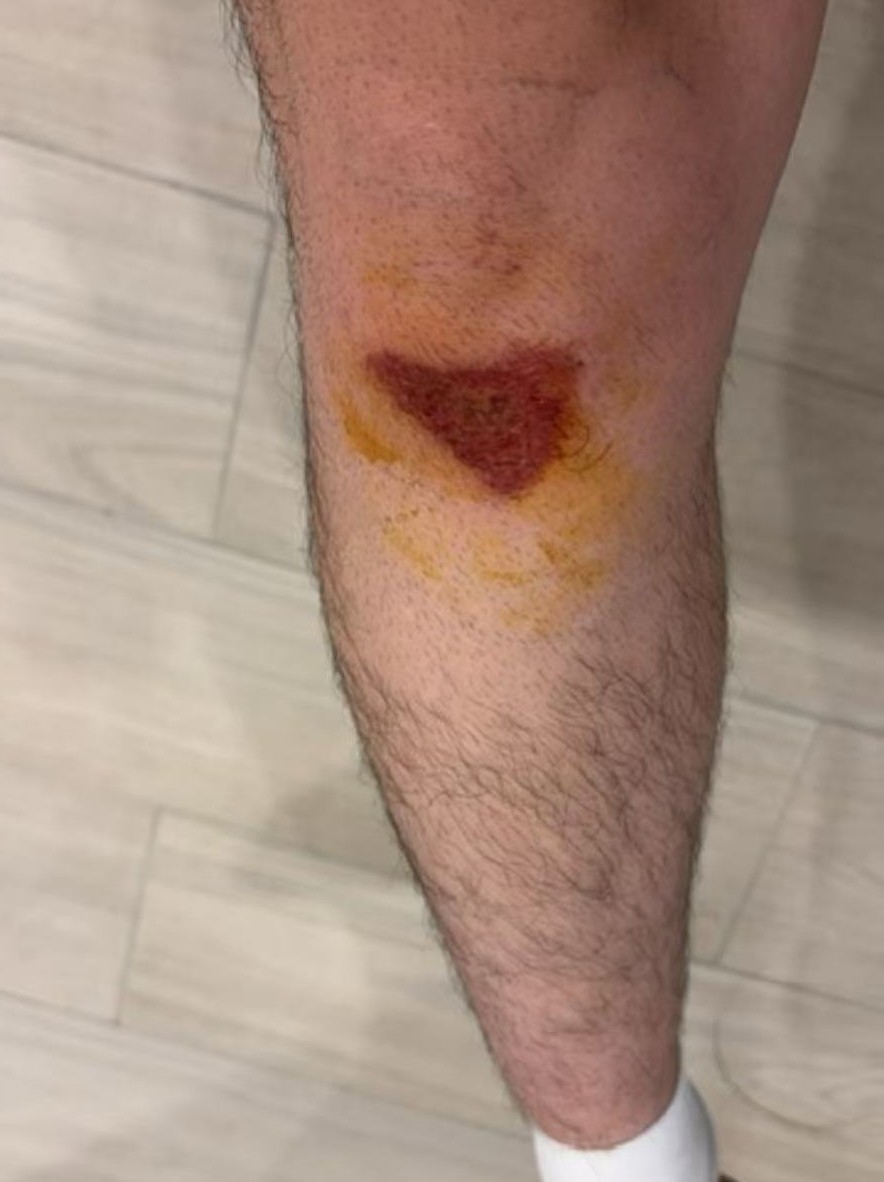
Lucas was e-scootering home from work on a rainy evening when the pavement turned slick. The wheel slipped, and within seconds he was on the ground with a deep, bleeding gash across his knee.
At the time it looked like nothing serious — just another commuter mishap. He cleaned it, bandaged it, and assumed it would heal on its own. That assumption is where this story really begins.
It took around three weeks for the wound to finally close. During that time it kept leaking fluid and never properly scabbed over the way Lucas expected. Once the skin eventually sealed, the area began to feel tight and tense, and something about it felt off. Over the following three months, a raised, dark-red, rubbery ridge slowly pushed its way up from the scar line.
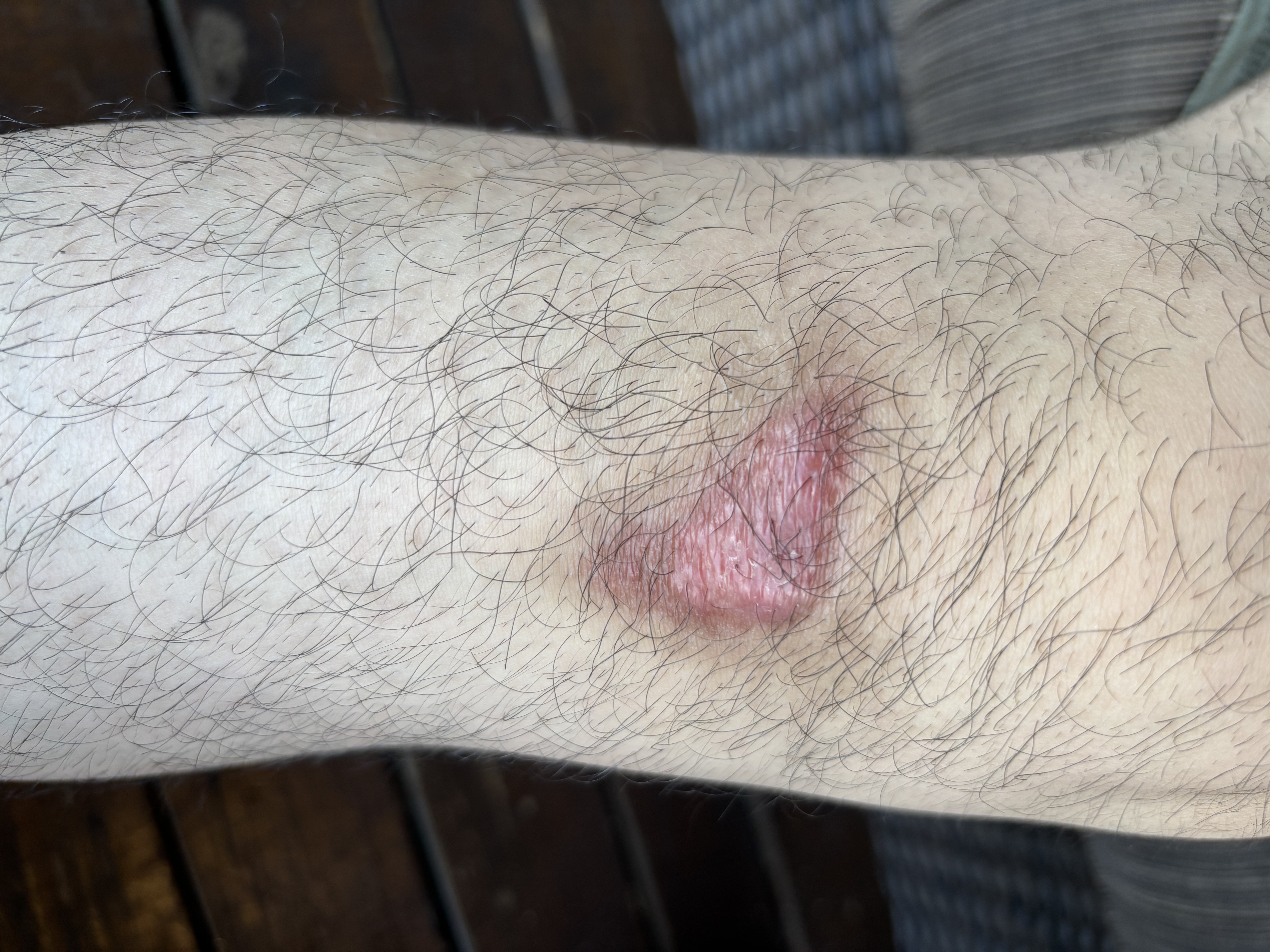
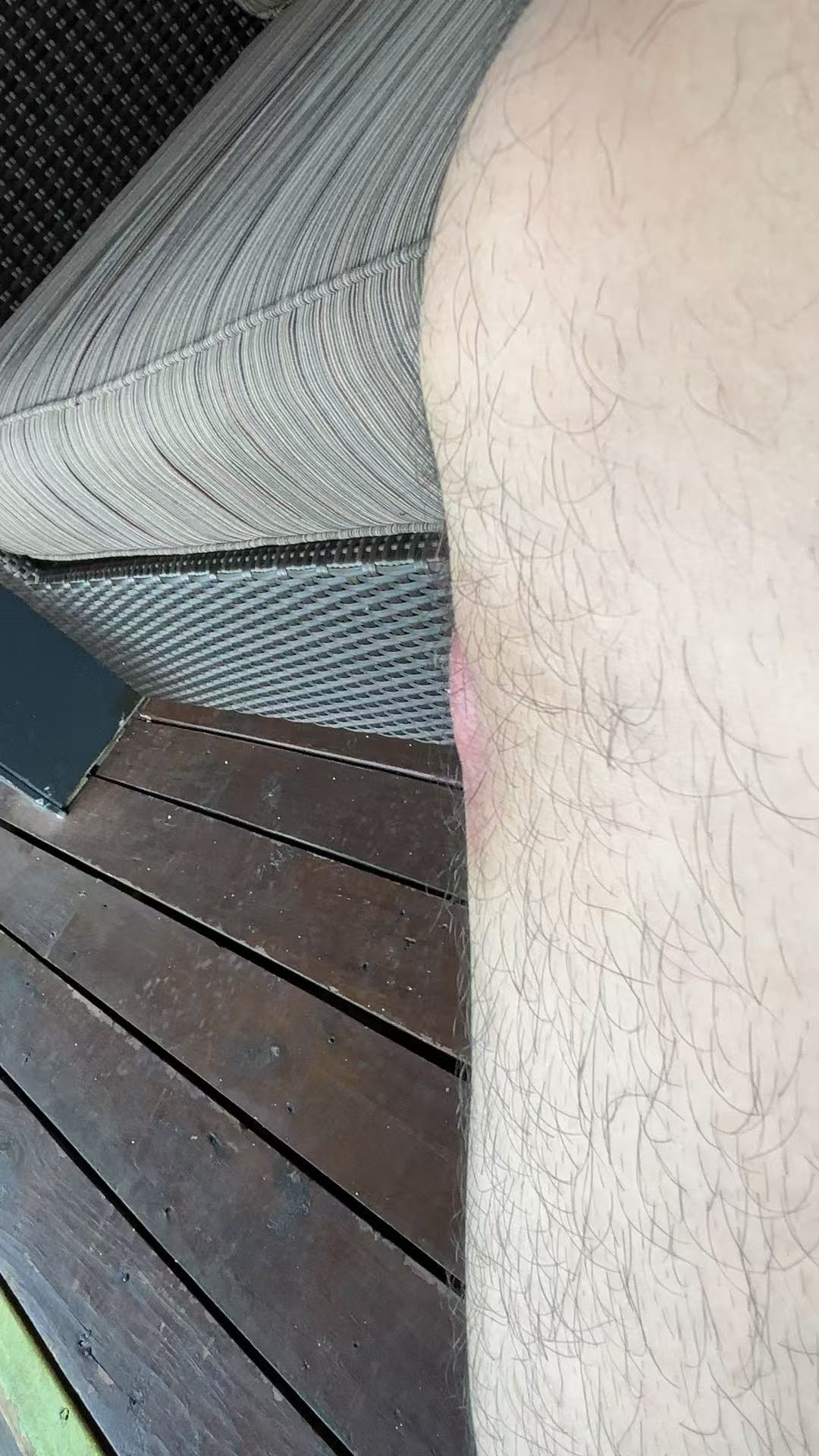
It kept growing — outward and thicker — month after month. By the six-month mark the lump was larger than the original injury, tender to touch, and visibly raised above the surrounding skin.
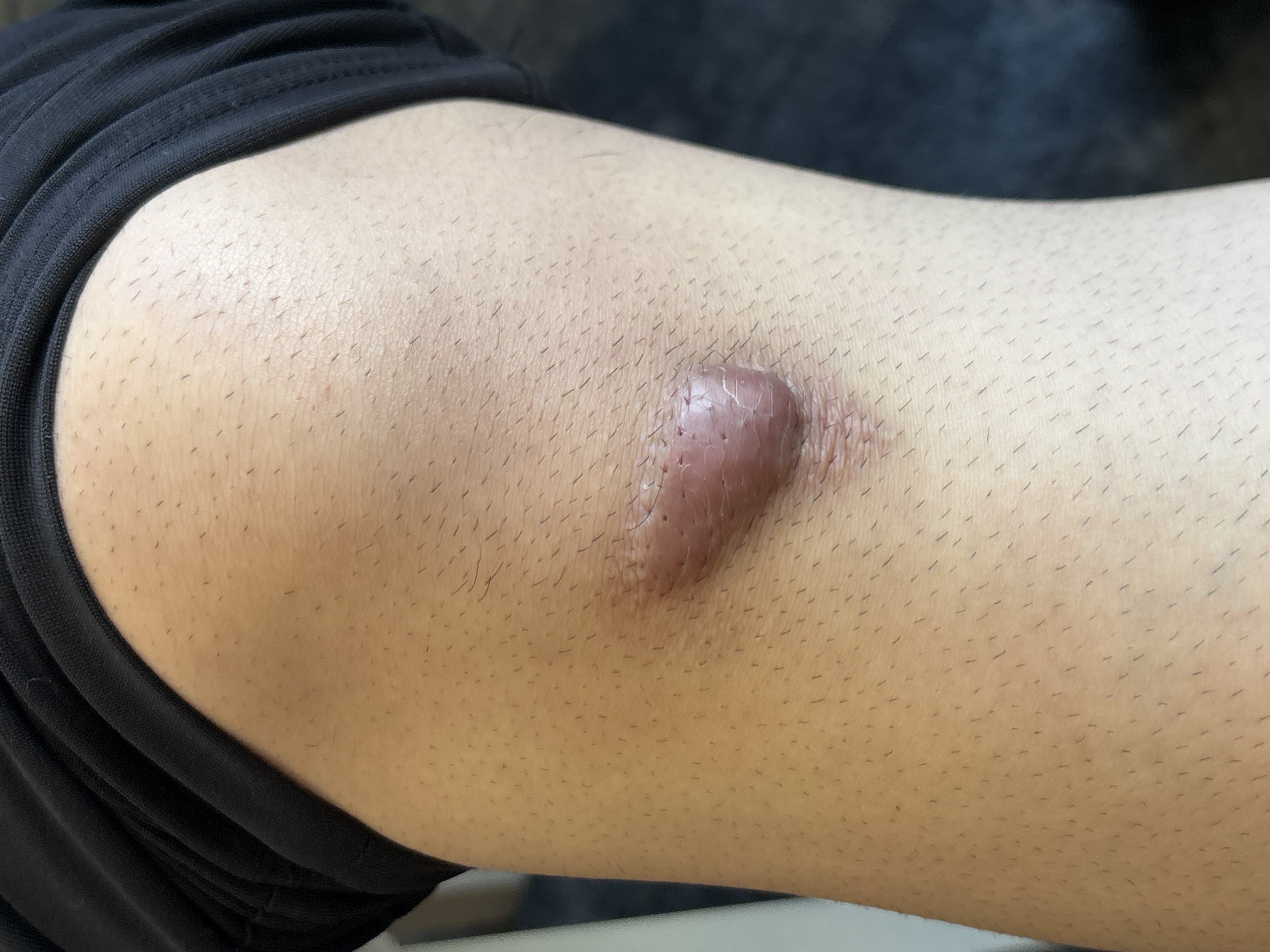
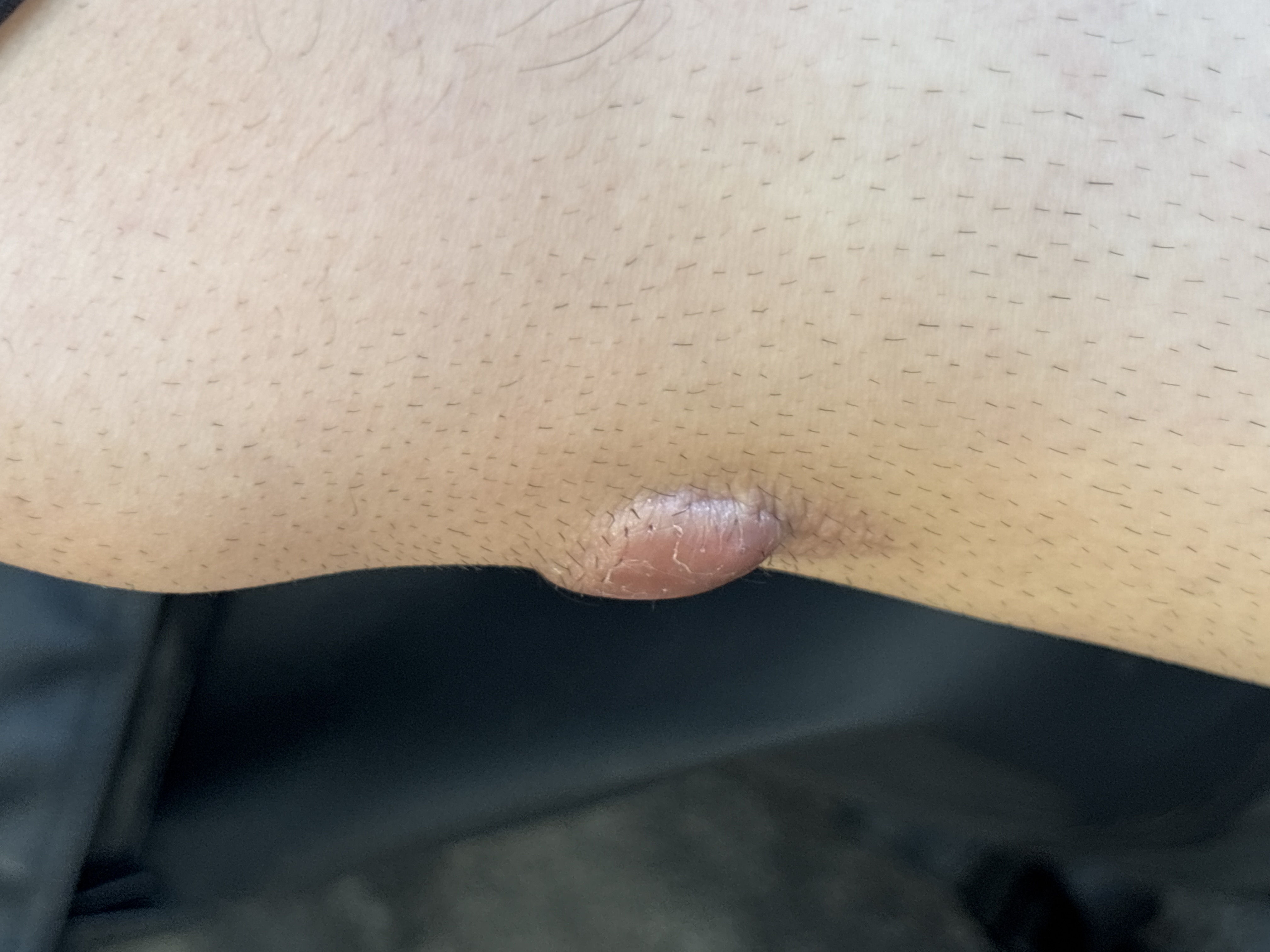

This is the part many patients don't realise. For New Zealanders, an accident-related scar can be covered by ACC — but the process has to be navigated step by step.
Lucas booked in with his GP, who assessed the keloid and issued an ACC claim number on the spot, linking it back to the original scooter accident.
Lucas then phoned the Scars & Lasers clinic. The nurse on the line was extraordinarily kind and patient — walking him through exactly how ACC coverage works, and whether his scar was likely to qualify for funded treatment.
Lucas went in for a consultation with Dr. Kevin McKerrow, who reviewed the keloid, set the expectations around reducing the thickness and redness, and built a plan of four laser & injection sessions.
Sessions were spaced out to give the scar time to respond between each round.
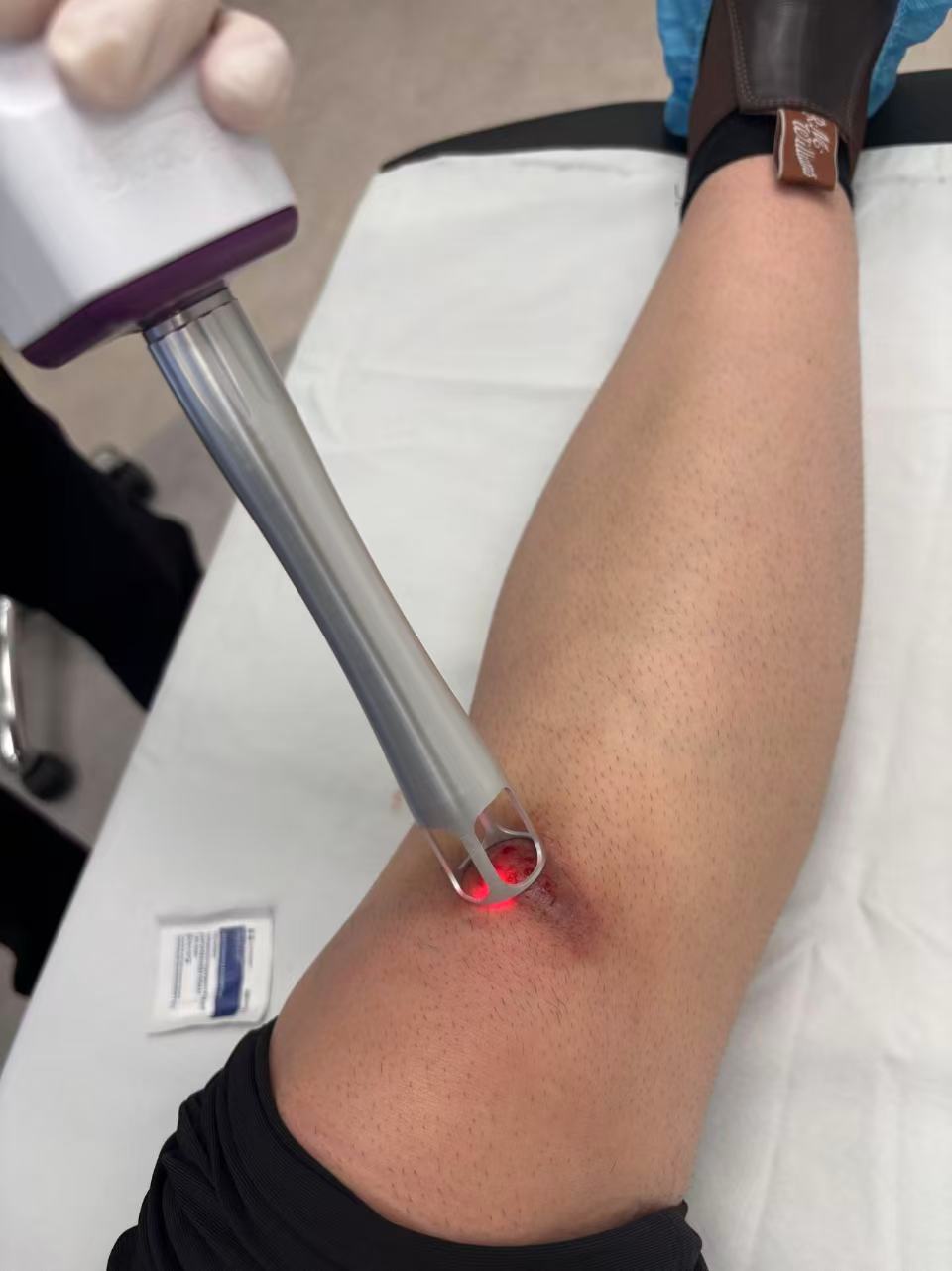
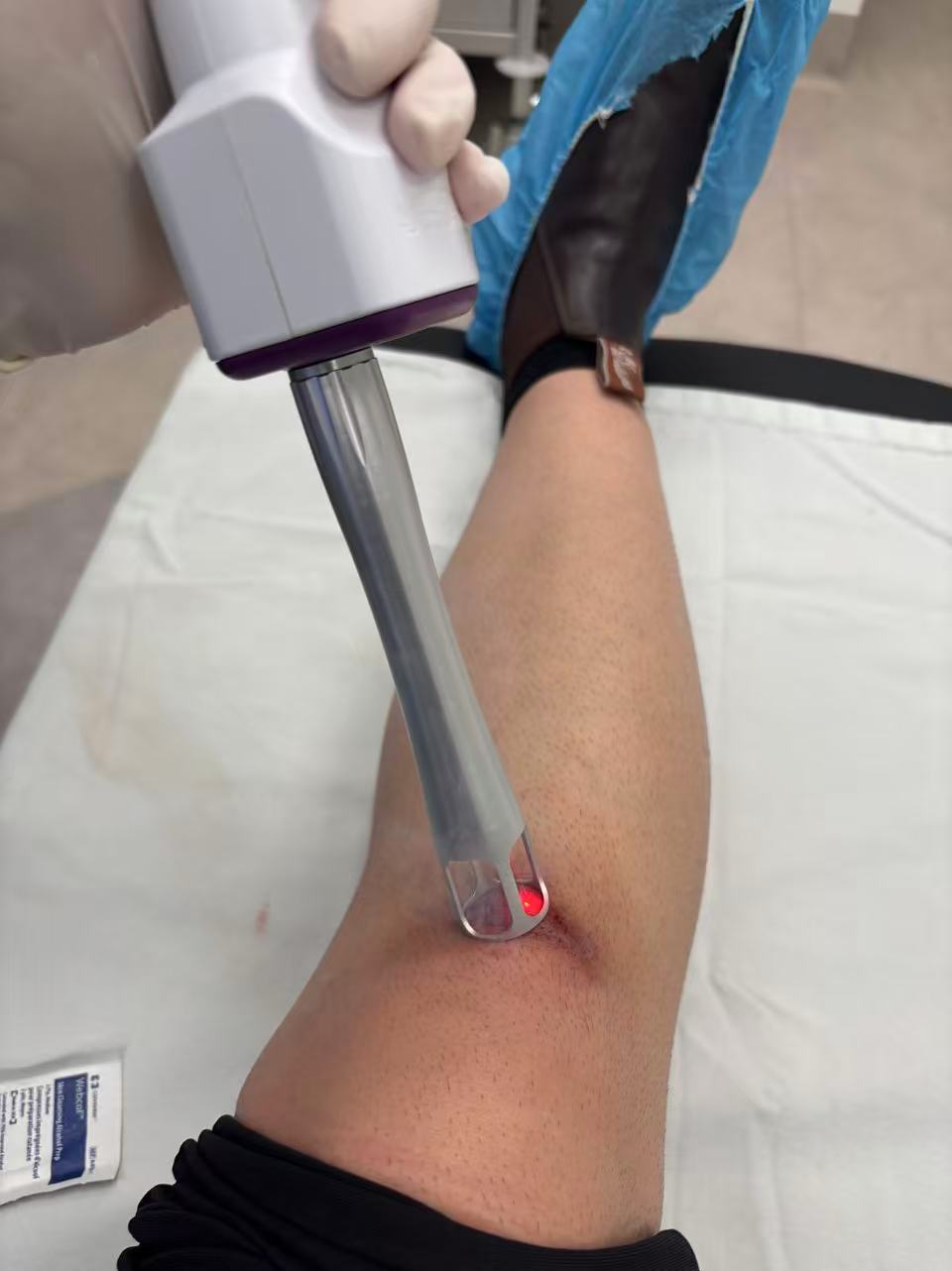
Each session combined targeted laser work and injections by Dr McKerrow, tailored to what to what would help the keloid the most — sometimes thickness, sometimes the deep redness, sometimes the surface texture. The specialist laser nurse was also exceptionally skilled at switching between different lasers and knew exactly which tool addressed which problem.
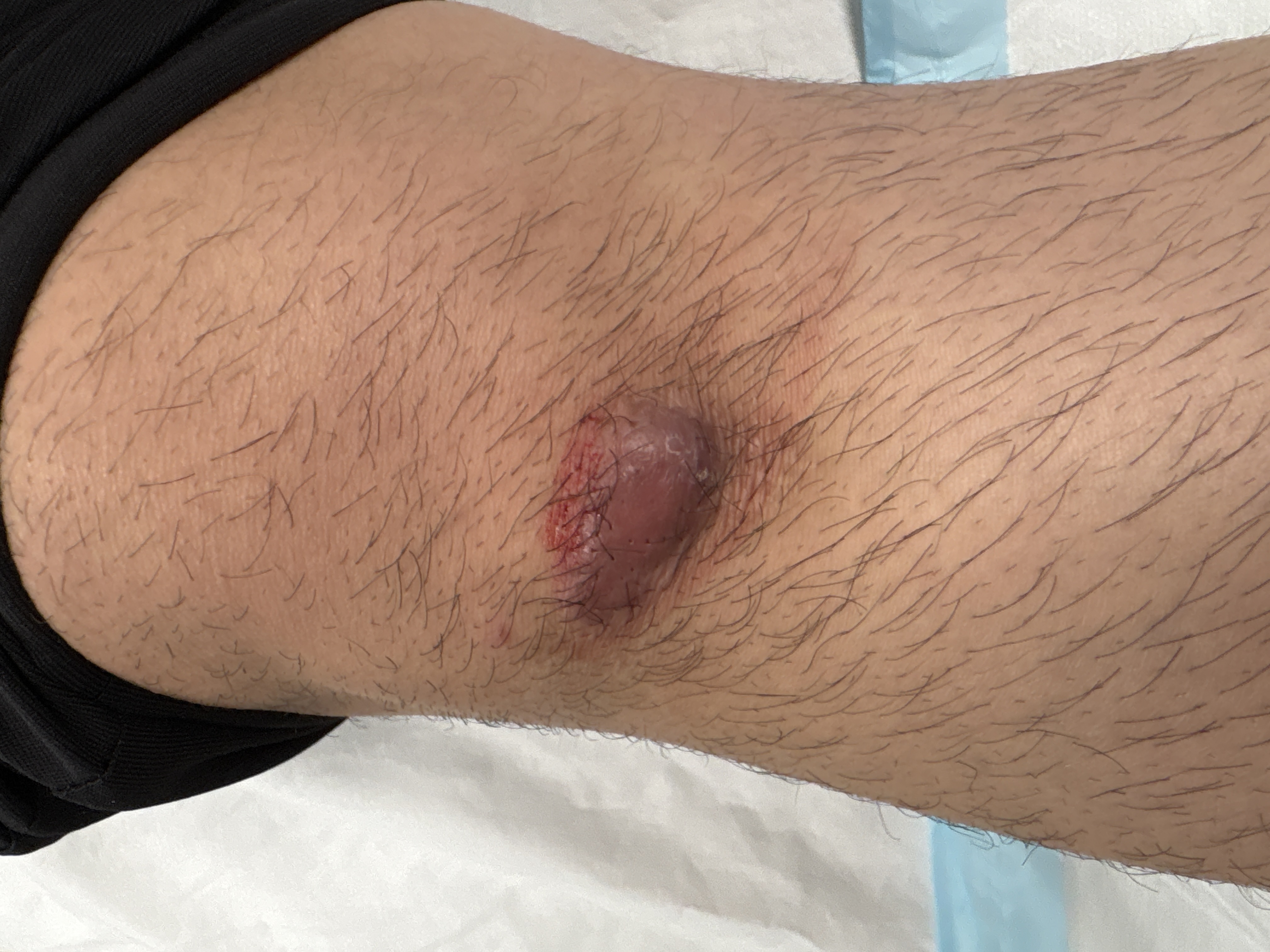
First round of injections plus laser. Some swelling — but within two weeks the ridge was visibly softer.
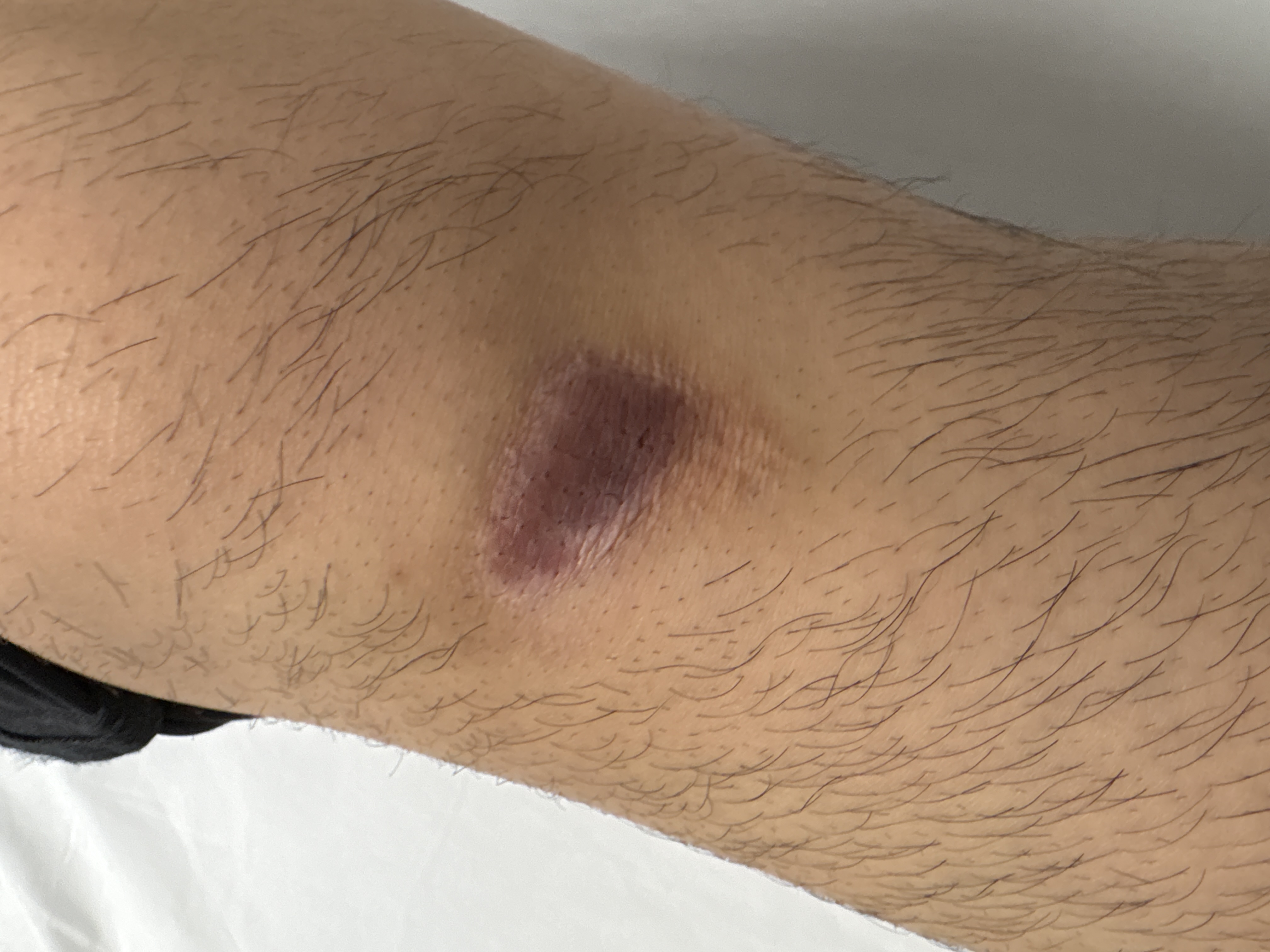
Massively reduced in thickness. A different laser targeting the vascular component. Deep red shifted toward pink.
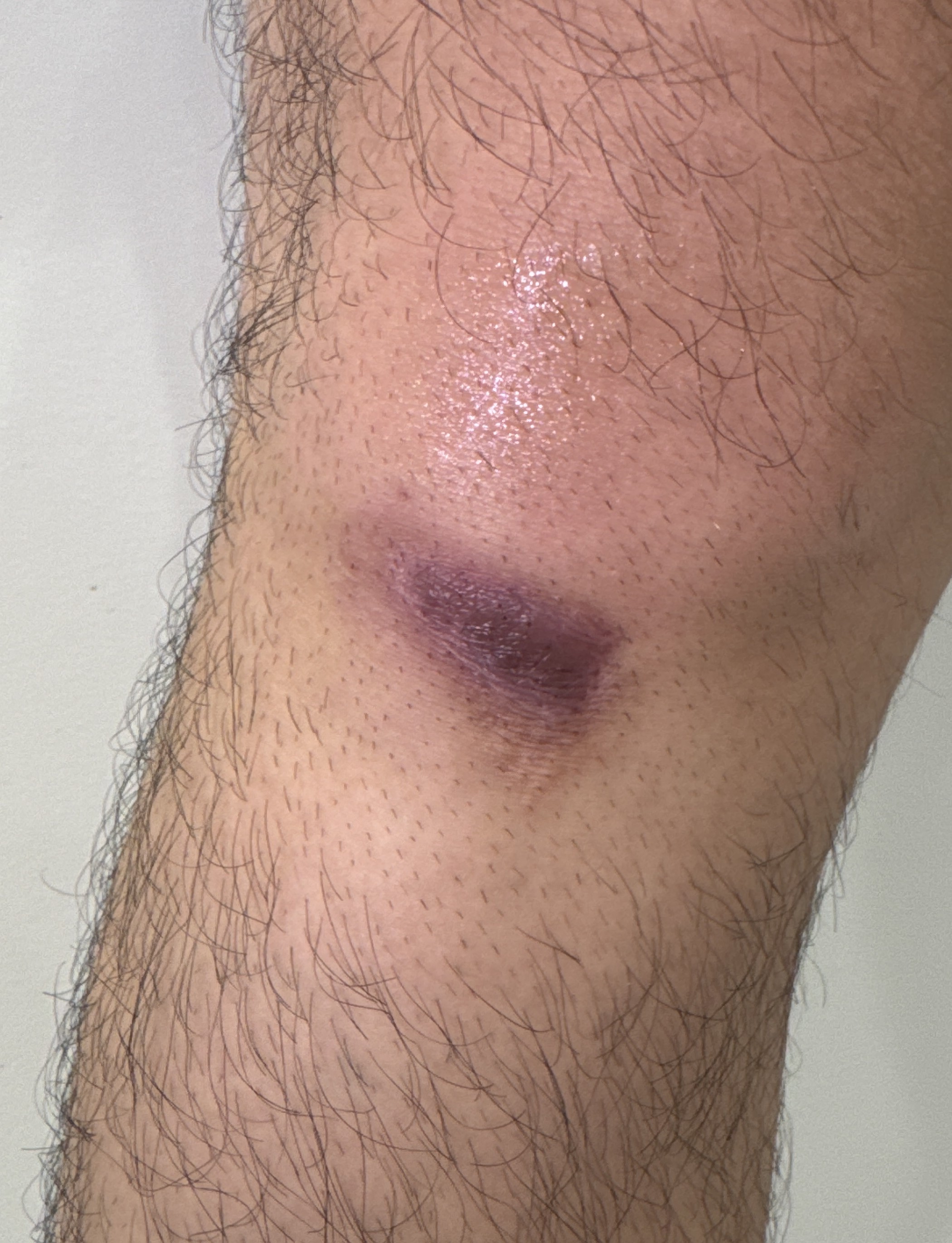
Keloid noticeably lower. Texture work began — smoothing the raised border down to the healthy skin.
The final polish. Colour evened out, scar sitting almost flat, itch and tenderness gone.
What stood out about Scars & Lasers wasn't just the outcome - it was the range of tools they had to get there - most places offer limited range of lasers but not Scars & Lasers. Scars & Lasers brings an arsenal of industry-leading lasers and injection protocols, each targeting a specific aspect of the keloid:
Combine that with a nurse genuinely proficient at selecting and operating each laser, and a specialist like Dr. McKerrow who sets realistic expectations, and patients can achieve the kind of outcome that seemed impossible six months in.

“I'd accepted the keloid as permanent. Watching it shrink session by session was the part I never thought I'd see.”— Lucas Gao 2027
For all appointment enquiries, medical referrals and urgent enquiries please contact us at info@scarsandlasers.co.nz or (09) 524 5011.
