

Directory
Concerns & Conditions
A focused overview of the skin concerns and conditions our dermatology-led team assesses and treats.
Start with what you notice
Browse concerns & conditions
Explore by the skin change or concern you would like help with.
Start with an option
Browse treatments
Review a treatment when you already know its name or type.
Not sure where to begin?
Ask our team
Tell us what you are concerned about and reception will help with the next step.
Concern Library
Browse by what you notice
Scars & changes in skin texture
Browse raised, indented, surgical, burn, self-harm and stretch-mark concerns.
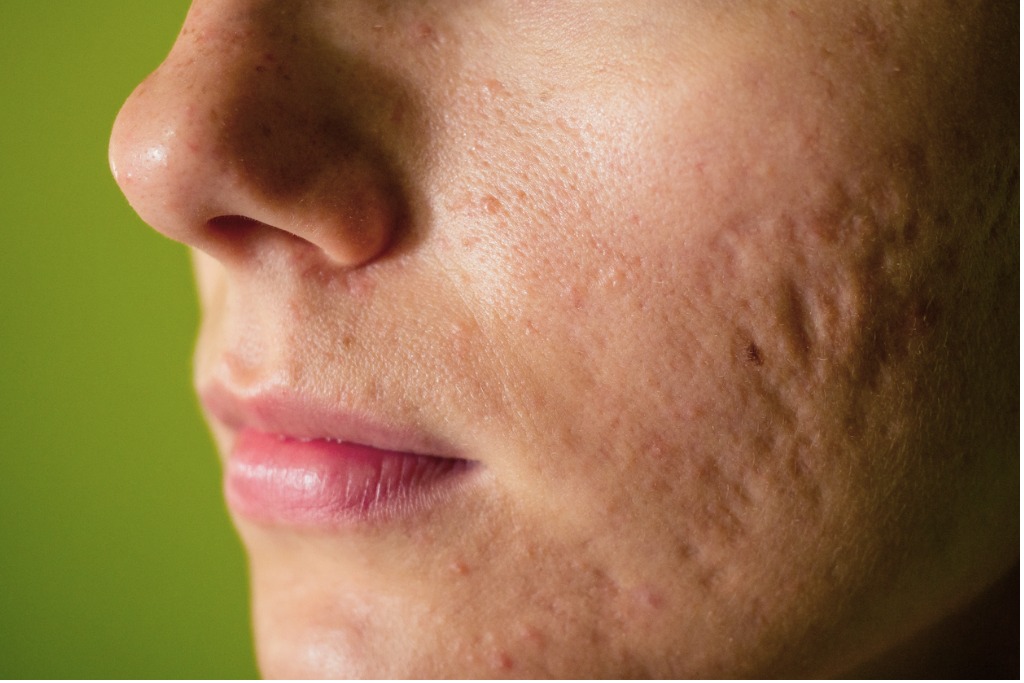
Atrophic Scars
Atrophic scars are sunken or depressed, often resulting from conditions like acne or chickenpox. These scars occur when the skin loses collagen and does not fully regenerate, leadi...
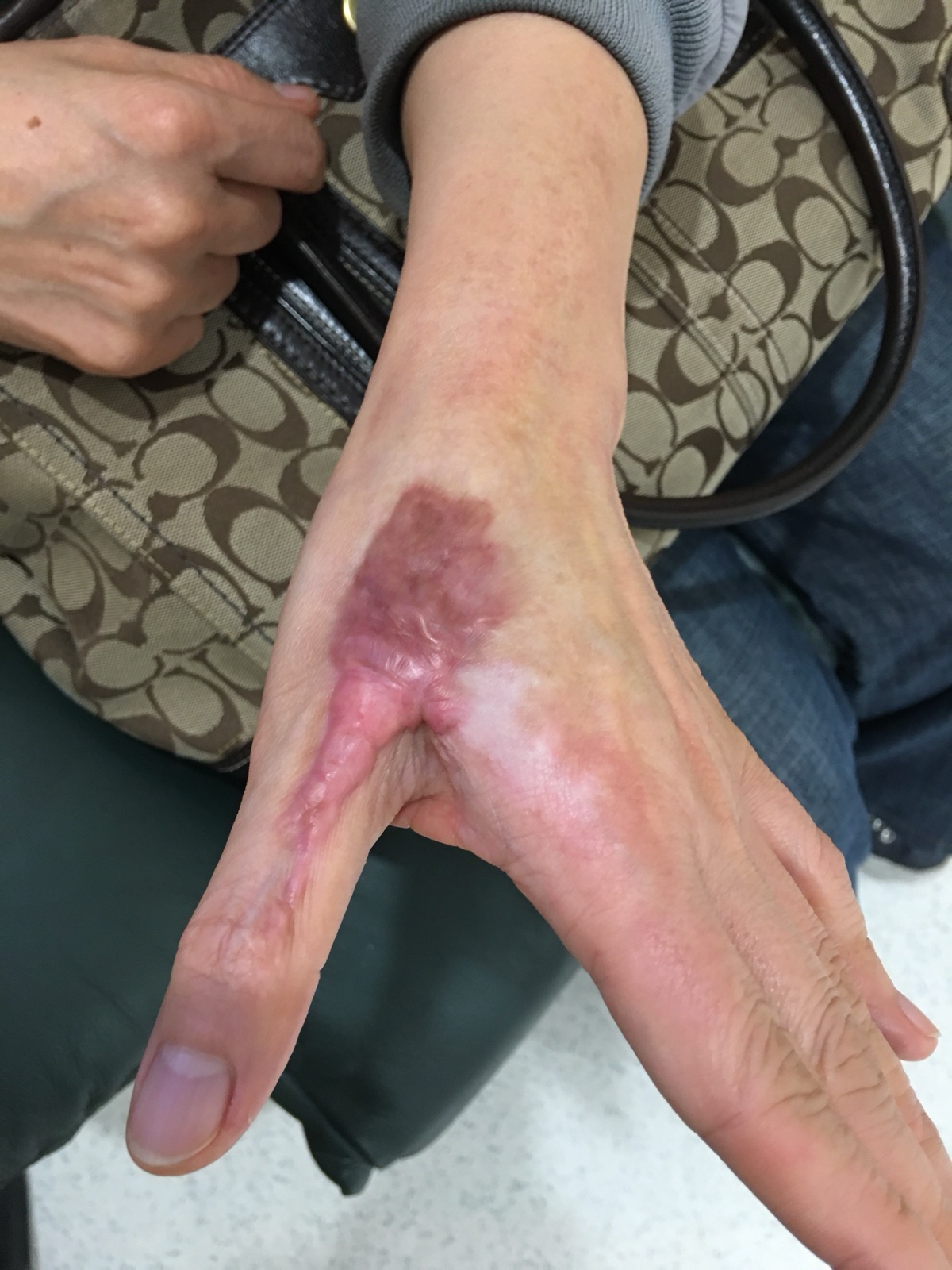
Contracture Scars
Contracture scars are tightening scars that restrict movement and distort normal anatomy. They most commonly develop after burns, trauma, or deep surgical wounds and may affect the...
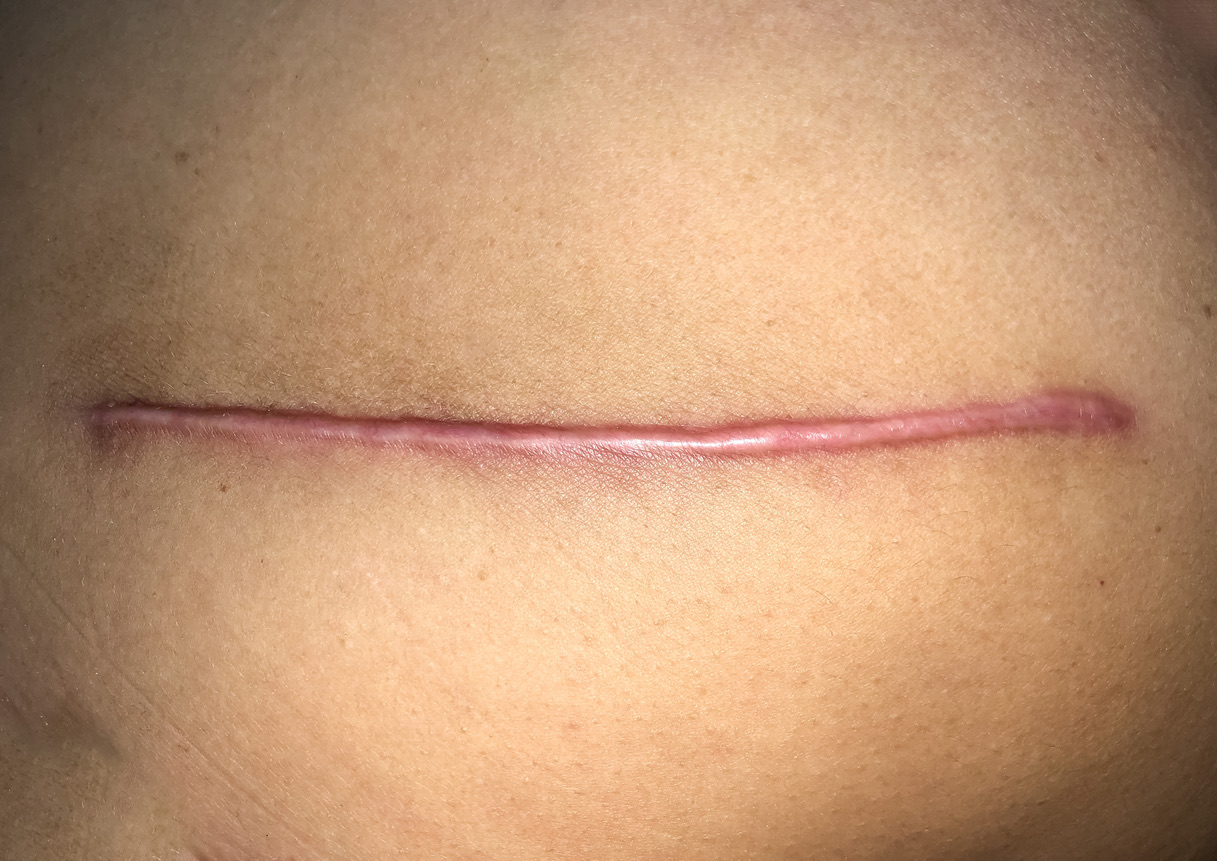
Hypertrophic Scars
Hypertrophic scars are raised, red, and typically remain within the boundaries of the original wound. They result from excessive collagen production during healing but may fade ove...
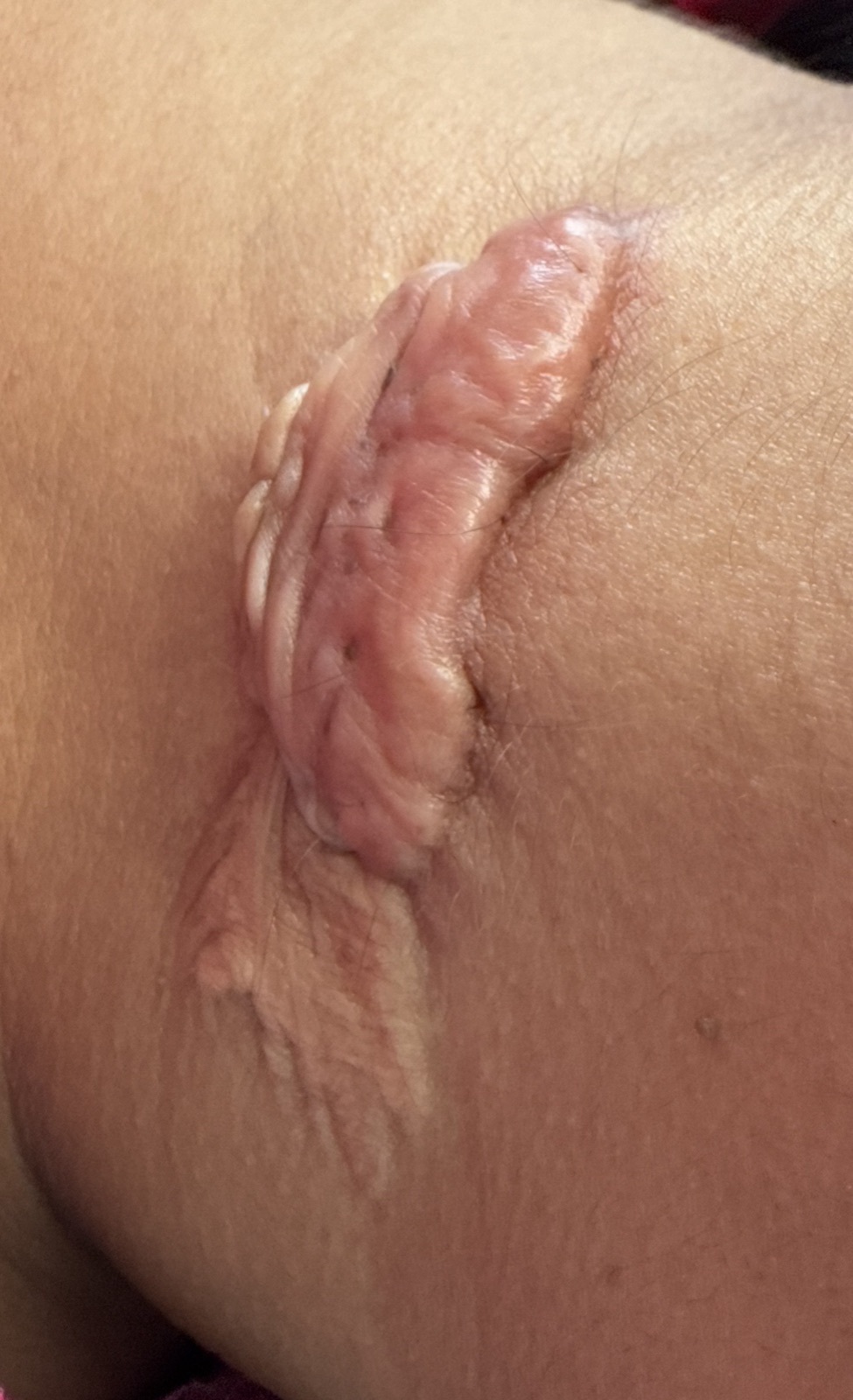
Keloid Scars
Keloid scars are raised, thick scars that form from excess collagen during healing, often extending beyond the original wound. They can appear shiny, firm, and range in colour from...
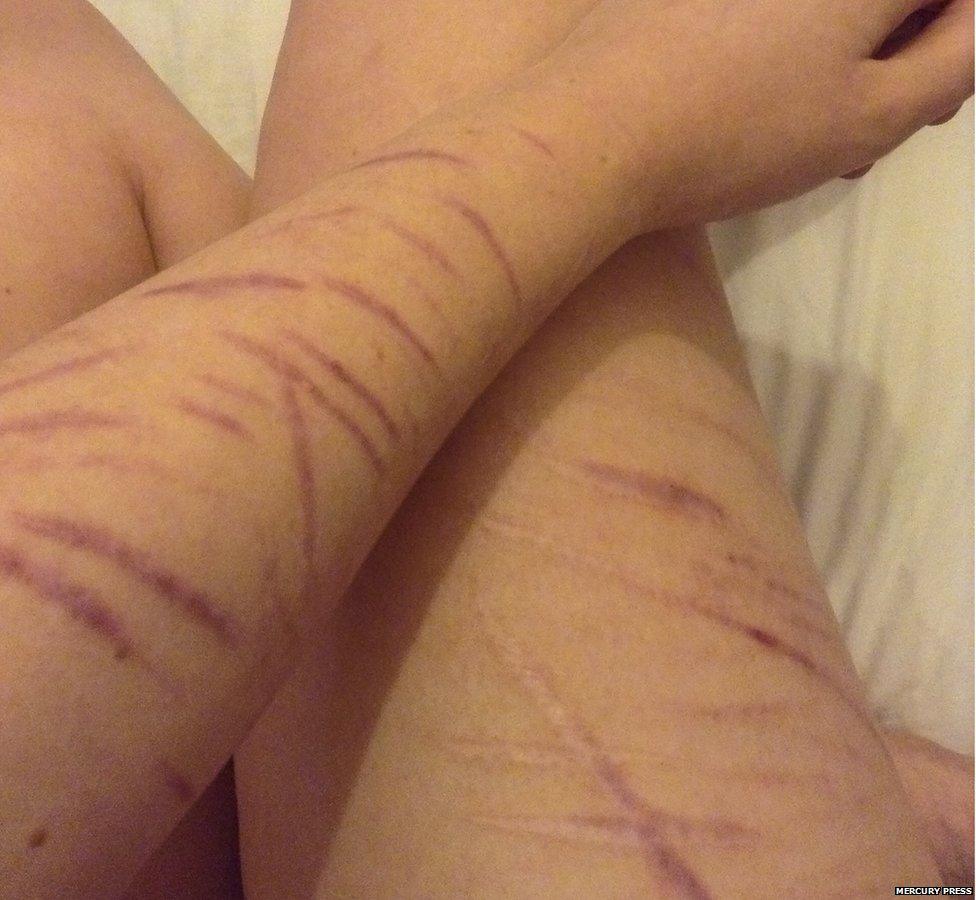
Self-Harm Scars
It is not uncommon for adolescents and young adults to have cutting or self-harm scars, with a prevalence of over 10%. Fortunately, lasers can be used to minimise the appearance of...
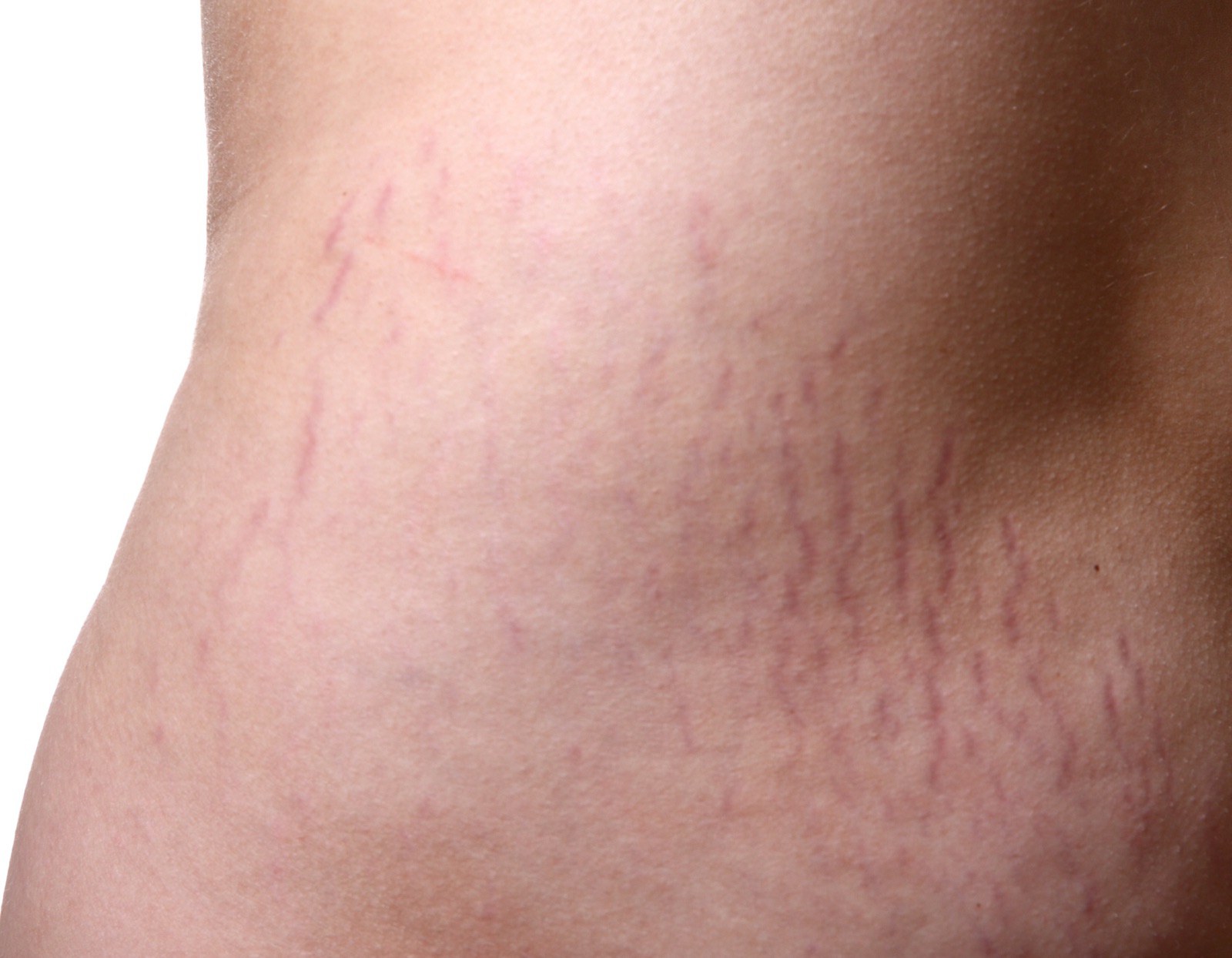
Stretch Marks
Also known as striae, stretch marks occur when the skin stretches rapidly due to growth, weight gain, or pregnancy. They appear as long, narrow streaks that can be red, purple, or...
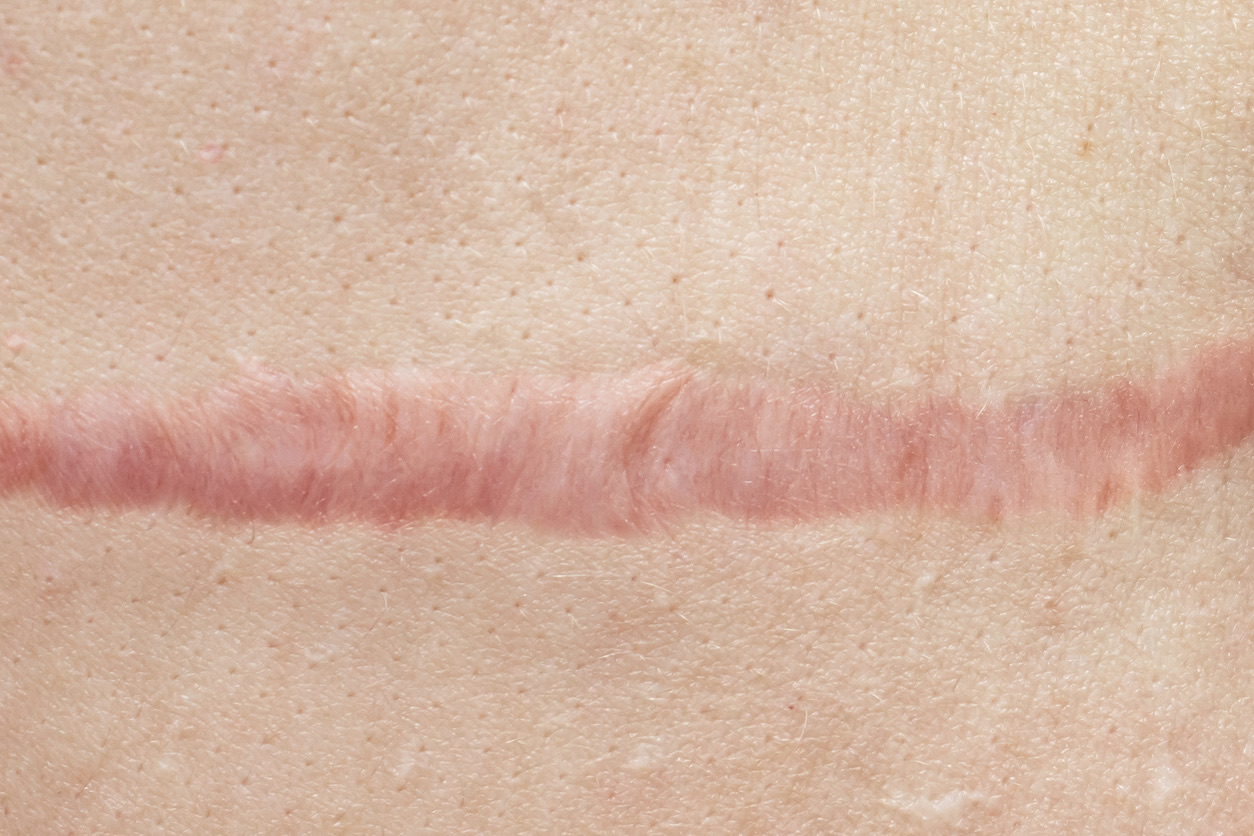
Surgical Scars
Surgical scars are linear scars that result from incisions. Their appearance and healing process depend on the surgical method, aftercare, and individual skin type. They may be hyp...
Pigmentation & changes in skin tone
Explore darker, lighter or uneven areas of colour, including birthmarks and melasma.
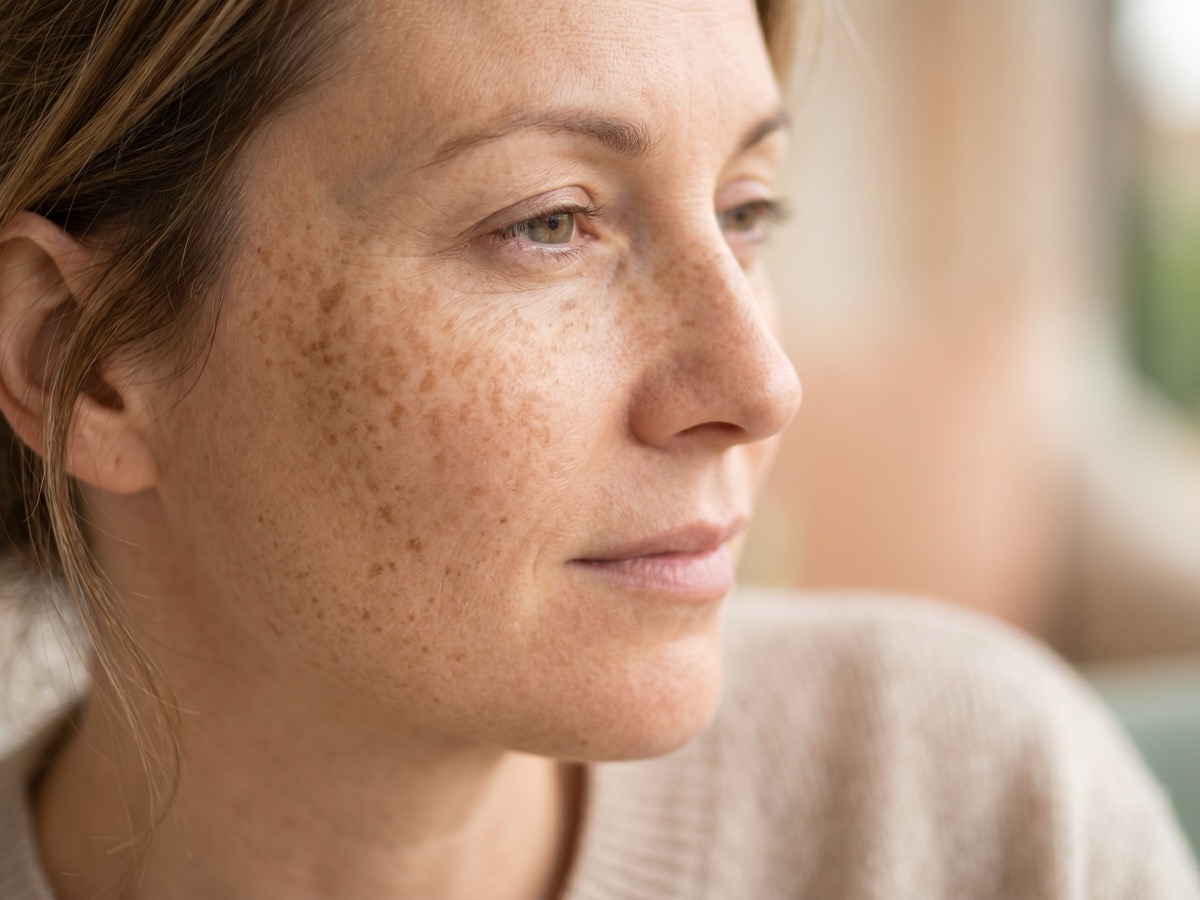
Age Spots, Freckles, Pigmentation and Poikiloderma
The most effective approach to treating pigmentation and dark spots starts with an accurate diagnosis. Understanding the type of pigmentation and what’s causing it is key to choosi...

Dark Circles
Peri-orbital Hyperpigmentation
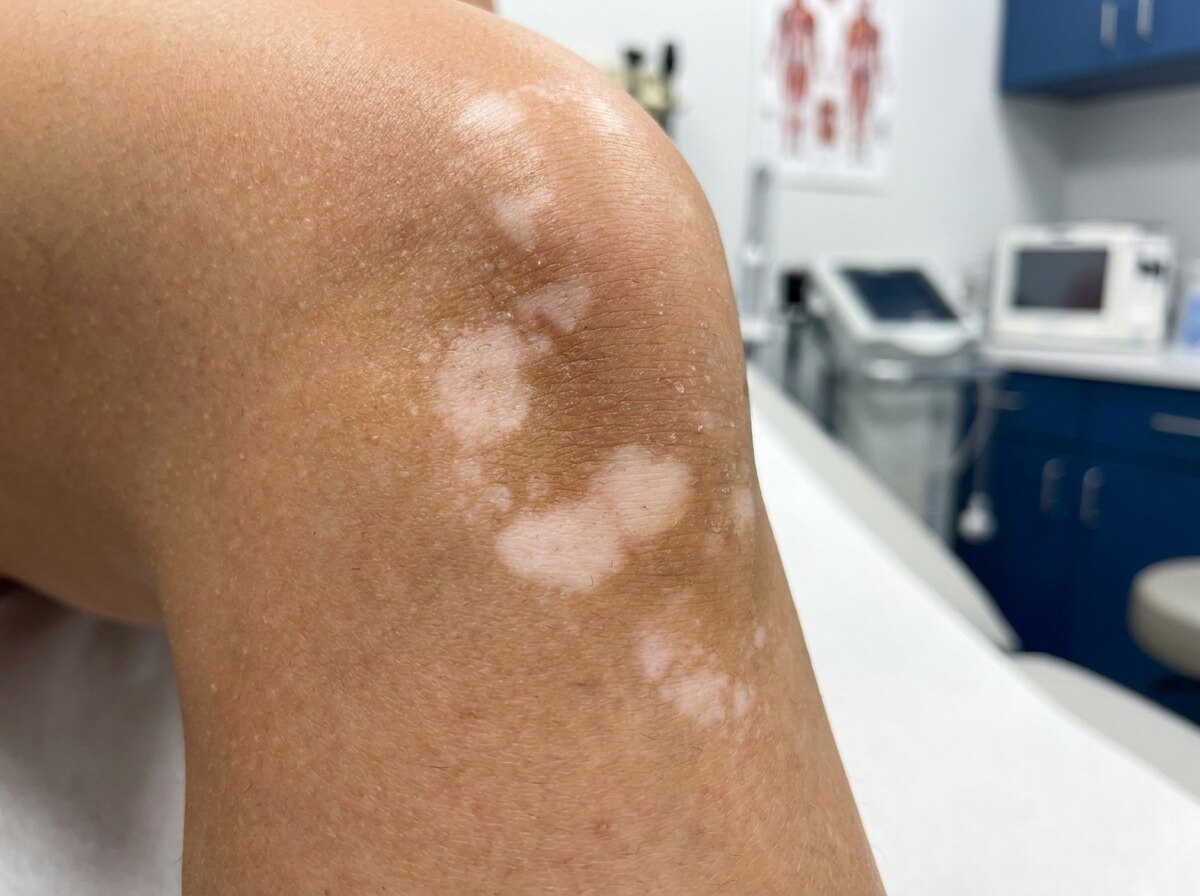
Hypopigmentation
Hypopigmentation occurs when areas of skin lose pigment and appear lighter than the surrounding skin. It may follow inflammation, injury, surgery, burns, or certain skin conditions...
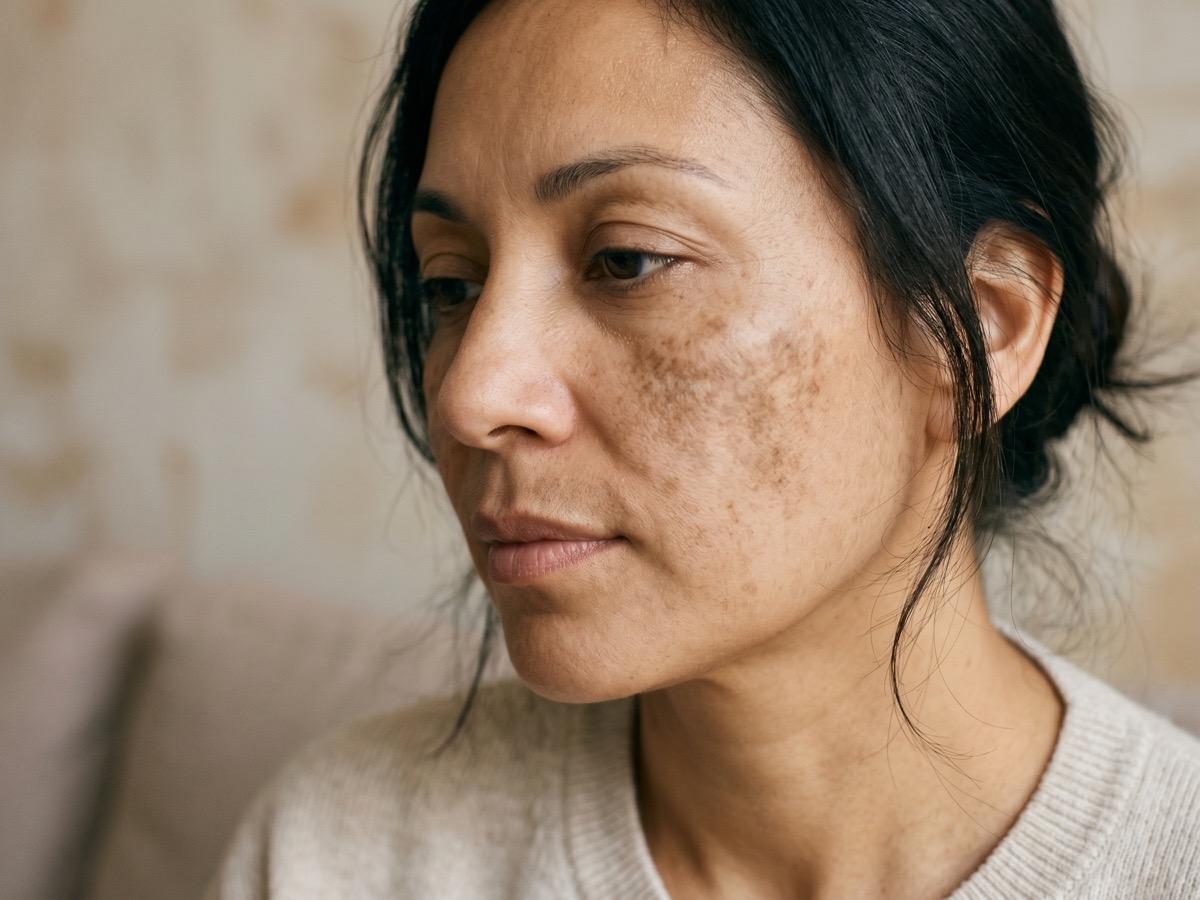
Melasma (Hormonal pigmentation/chloasma)
Melasma is a common skin condition that causes brown or grey-brown patches, most often on the face—particularly the cheeks, forehead, nose, and upper lip. It occurs when pigment-pr...
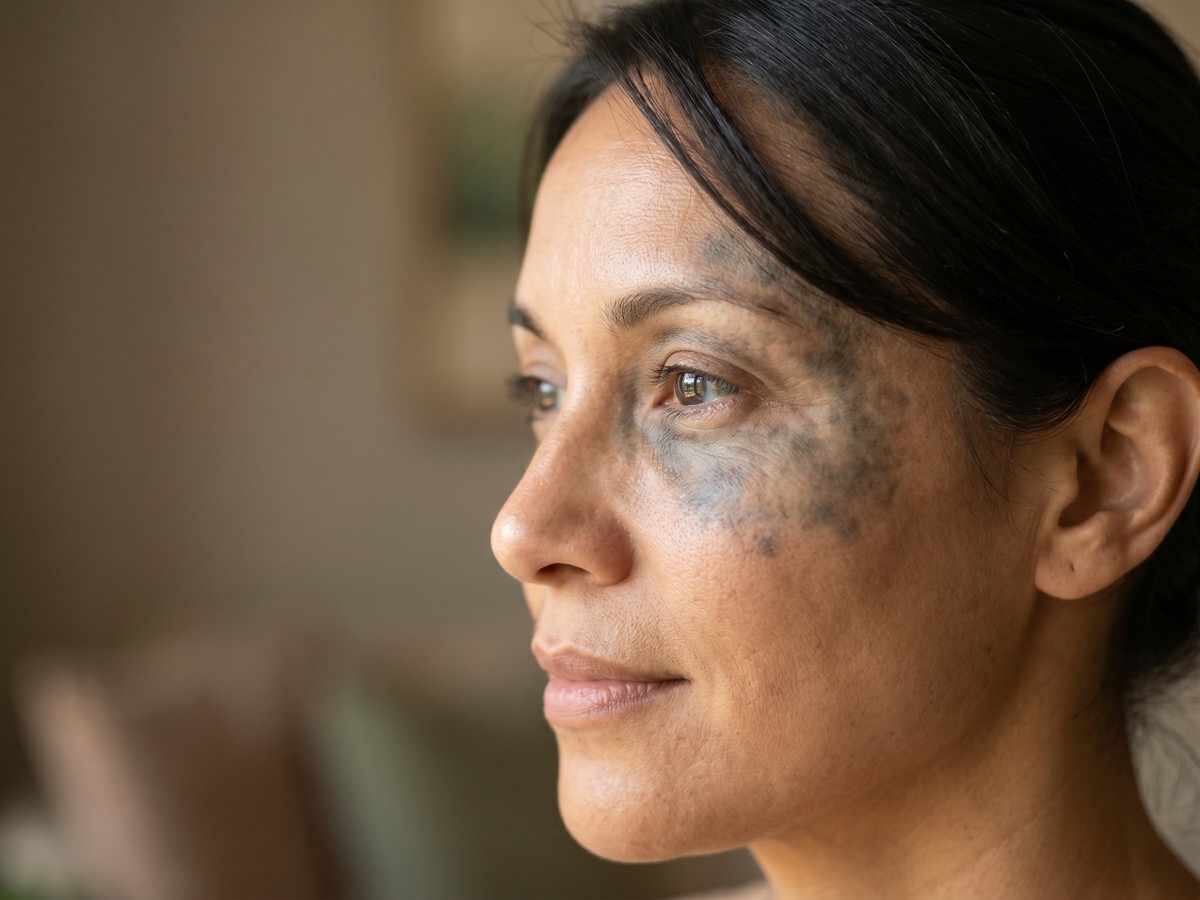
Naevus of Ota
If you have a patch of skin with a bluish-grey or medium brown colouration, you may have a condition called "Naevus of Ota" named after the physician who first identified this skin...
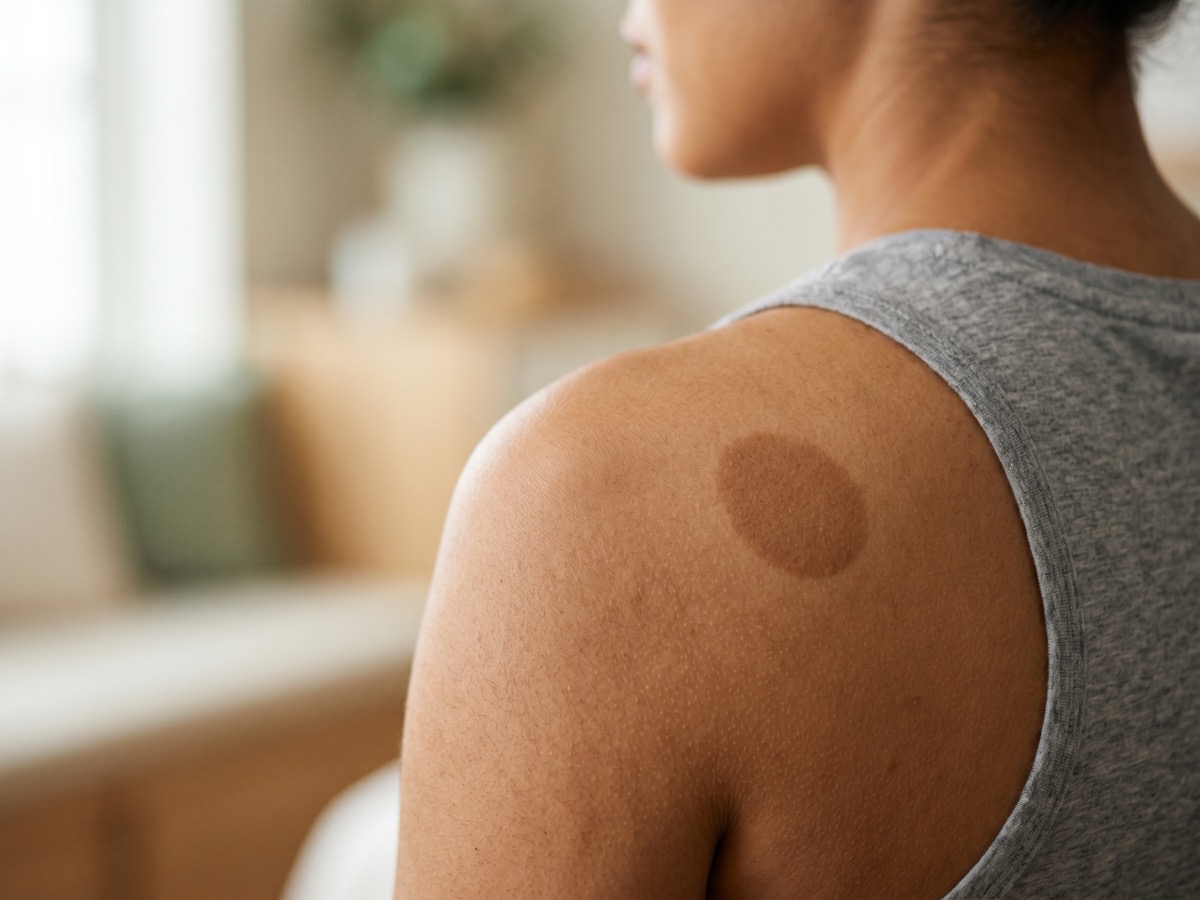
Pigmented Birthmarks
Skin discolouration resulting from clusters of pigmentation cells (melanocytes) appearing as tan, brown, black or blue spots/patches.
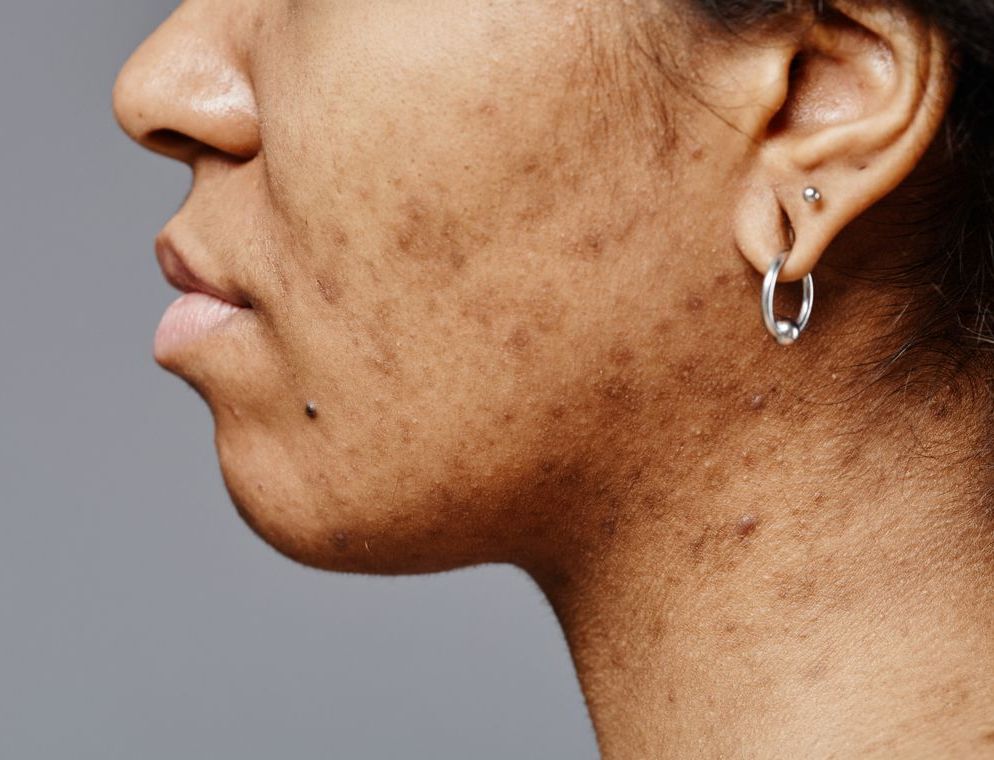
Post-Inflammatory Hyperpigmentation
Post-inflammatory hyperpigmentation (PIH) is a common skin condition where dark spots or patches occur following acne or skin injury from multiple causes. It occurs as a response t...
Redness & visible vessels
Find information about facial redness, flushing, rosacea and vascular marks.
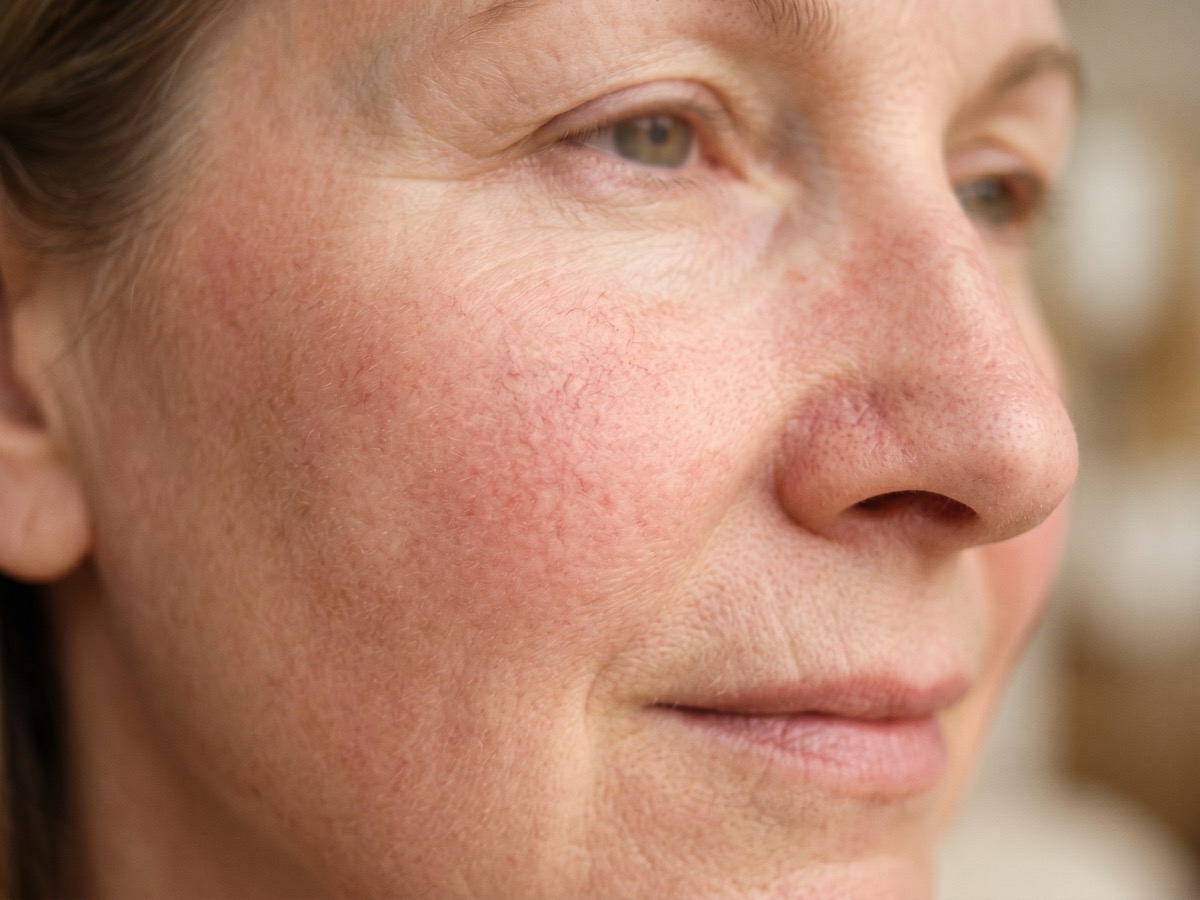
Broken Capillaries, Facial and Neck Redness, and Flushing
Dermatologist-led assessment and laser treatment for facial redness, flushing and broken capillaries at Scars & Lasers in Auckland.
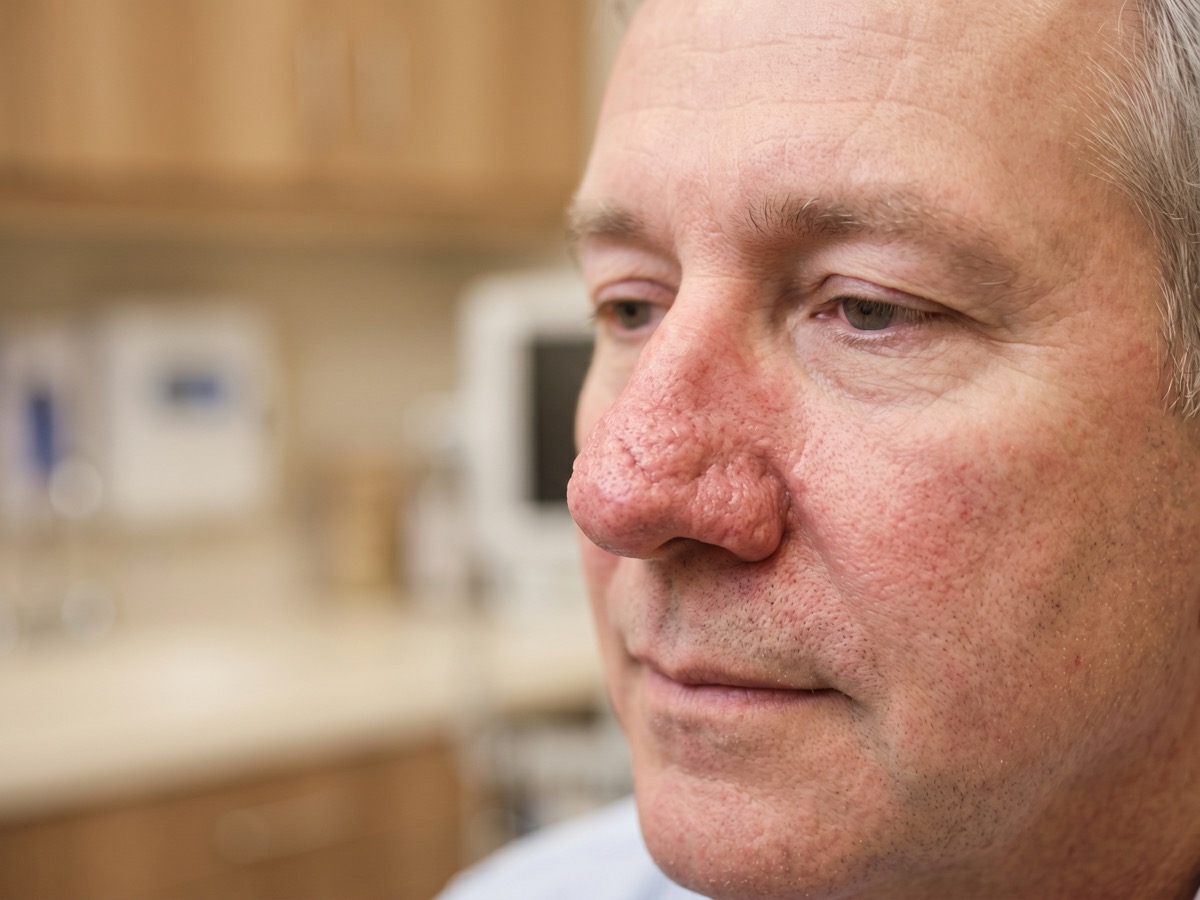
Rhinophyma
Rhinophyma is a progressive skin condition affecting the nose, characterised by thickened skin, enlarged sebaceous (oil) glands, visible pores, and prominent redness or blood vesse...
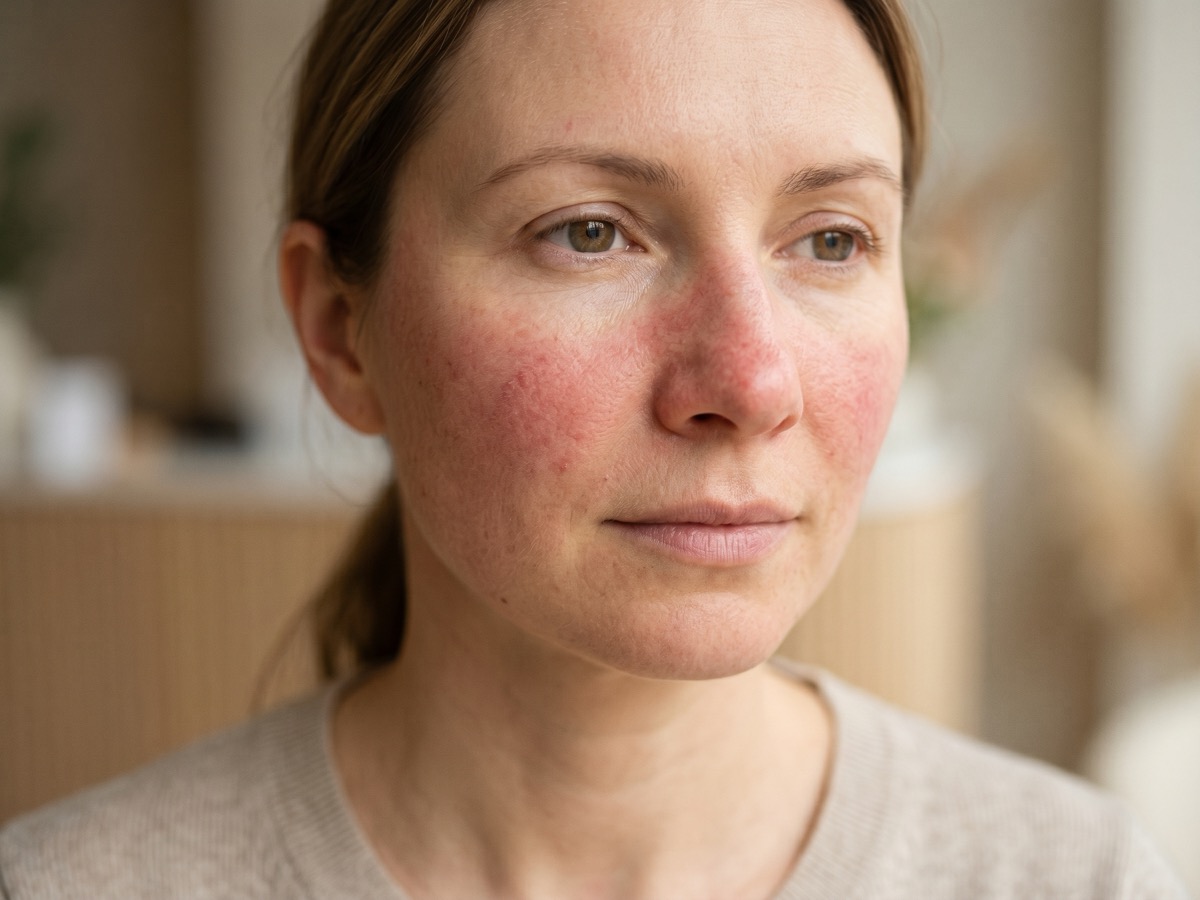
Rosacea
Rosacea is a chronic skin condition causing redness, visible blood vessels, and sometimes bumps on the face. It often flares due to triggers like stress, sunlight, or certain foods...
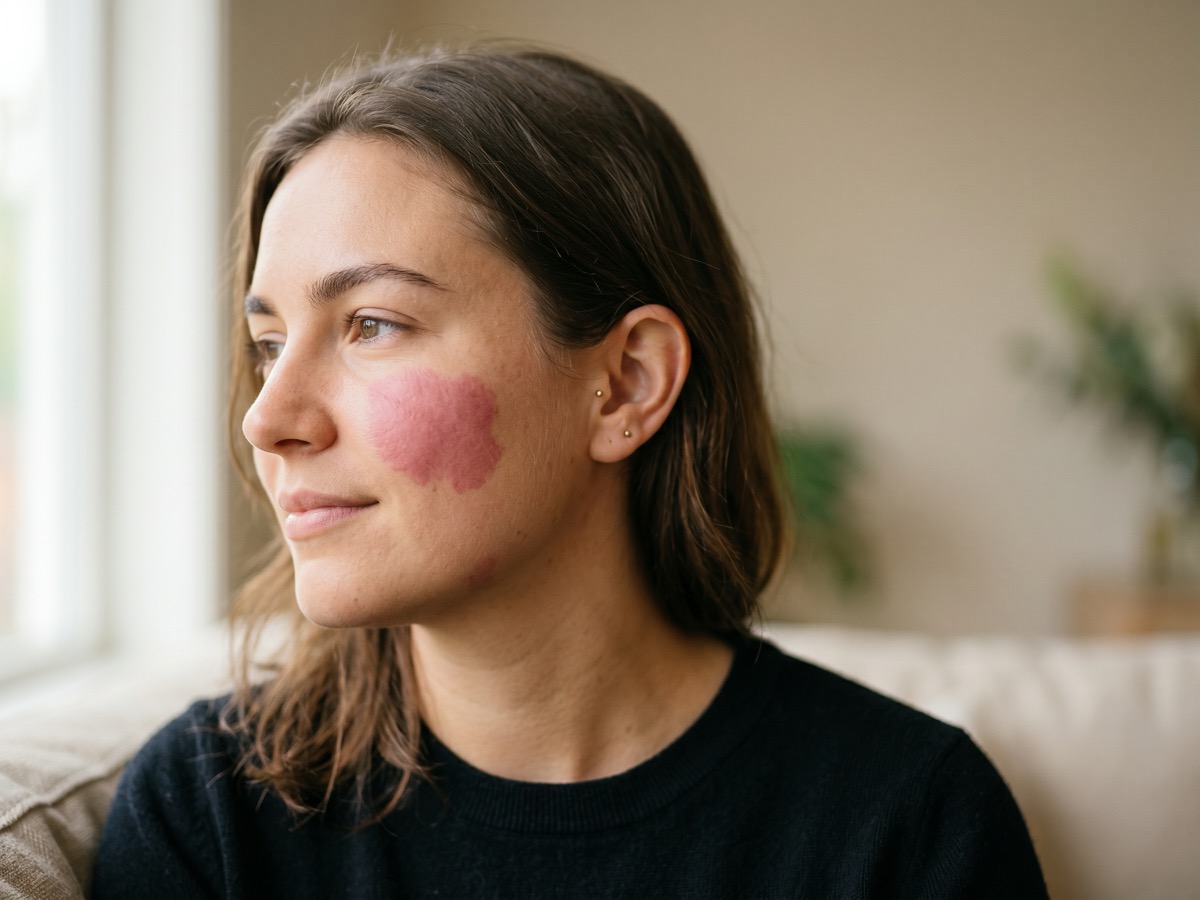
Vascular Birthmark
Skin discolouration from improperly formed blood vessels, appearing red, pink or bluish and can be flat (port wine stains) or raised (haemangiomas).
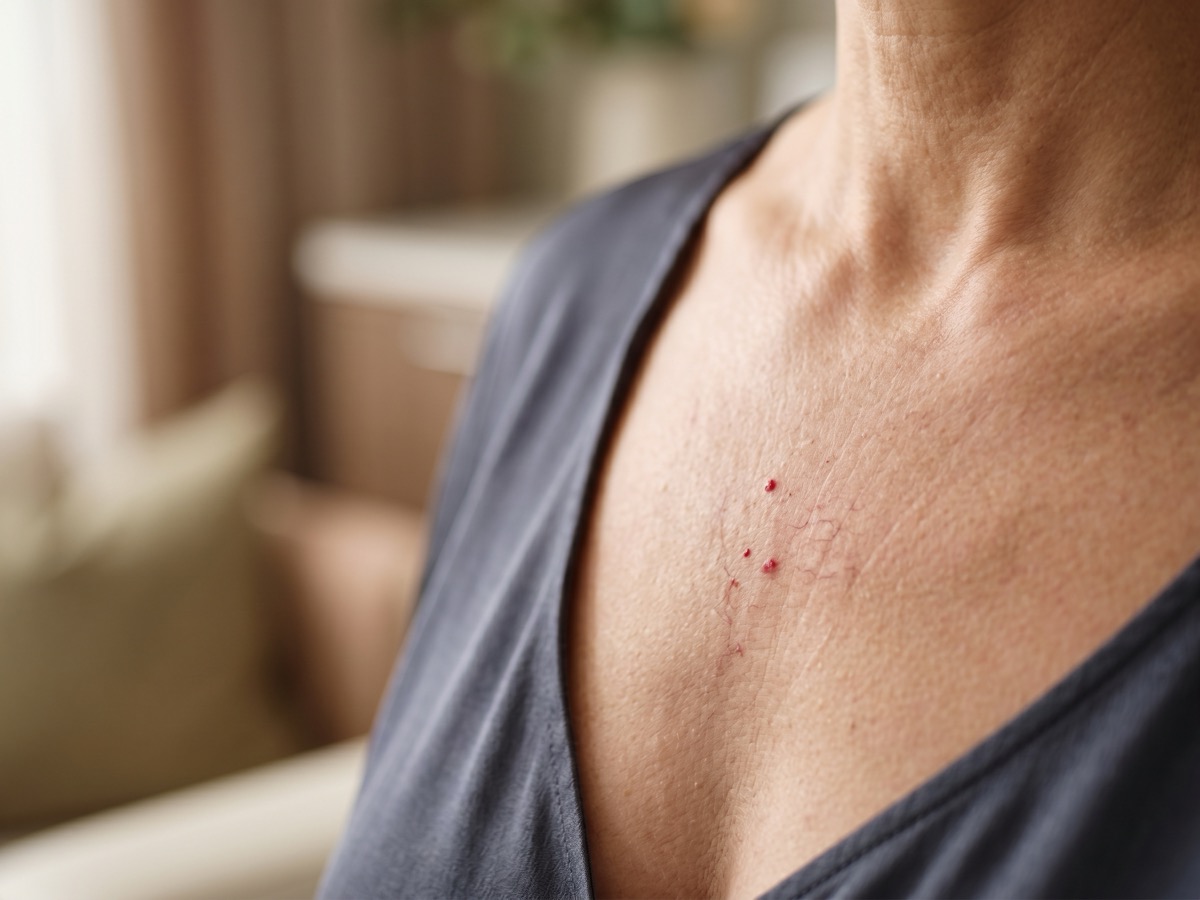
Vascular Lesions
Vascular lesions are visible changes in the skin’s blood vessels, appearing as red, purple, or blue marks.
Acne & excessive sweating
Start here for active acne or excessive underarm sweating and odour.
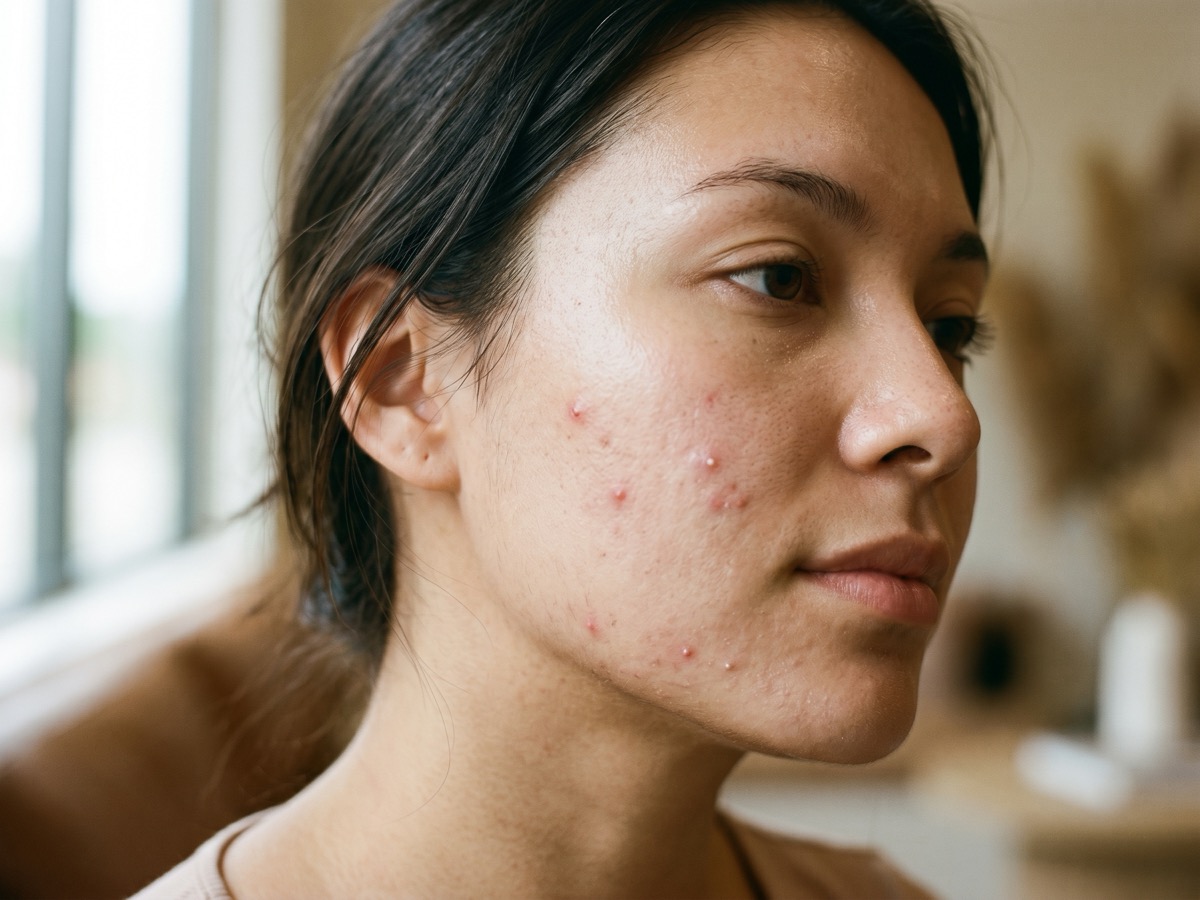
Acne
Acne is a widespread skin condition that develops when hair follicles are blocked by excess oil (sebum) and dead skin cells, resulting in breakouts such as pimples, blackheads, whi...

Hyperhidrosis
Explore dermatologist-led treatment for excessive underarm sweating and odour, including miraDry® and prescription options at Scars & Lasers Auckland.