

Atrophic Scars
At a glanceAtrophic scars are sunken or depressed, often resulting from conditions like acne or chickenpox. These scars occur when the skin loses collagen and does not fully regenerate, leading to indentations in the skin.
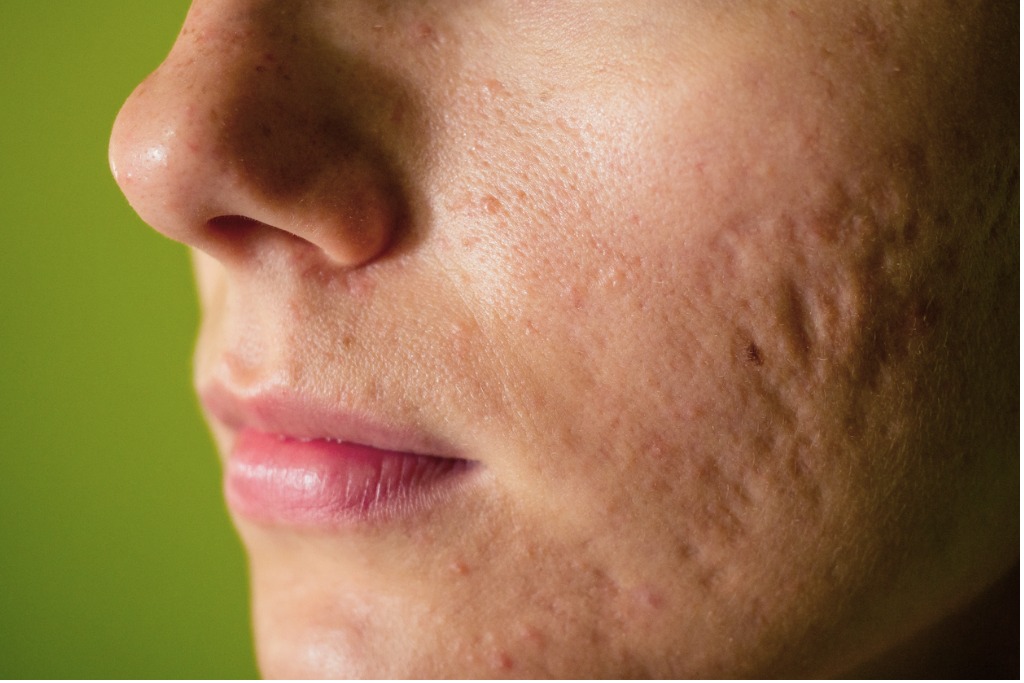

Atrophic scars occur when the skin heals below its normal level, creating sunken or indented areas. This type of scarring is often the result of severe acne, chickenpox, or skin trauma, and the severity can vary based on the depth and size of the scar. Common forms of atrophic scars include icepick, boxcar, and rolling scars, all of which can make the skin's surface uneven and affect self-esteem. Treatment for atrophic scars typically involves a combination of laser therapy, micro-needling, fillers and bio-stimulators, and other skin resurfacing techniques to restore a smoother and more uniform skin texture.
The Science Behind It
Atrophic scars develop when the skin is unable to produce enough collagen during the wound healing process, resulting in sunken or depressed scars. They are most commonly seen after severe acne, chickenpox, or trauma. The three main types of atrophic scars are:
- Icepick scars, which are narrow and deep
- Boxcar scars, which are wider with sharp edges, and
- Rolling scars, which are more shallow and smooth.
Treatment focuses on restoring collagen production and resurfacing the skin to minimize the appearance of these scars.
What are the best lasers for atrophic scars?
For atrophic scars (indented scars), the best laser approach focuses on smoothing texture and rebuilding collagen to lift and blend the depression into surrounding skin. Fraxel® Dual Laser, Alma Hybrid™, and Acclaro UltraClear are commonly used to stimulate collagen remodelling and refine surface unevenness, while a picosecond laser can be added to help improve overall scar texture and blending with minimal disruption. Often, the most noticeable improvement comes from a tailored combination of these treatments over a series of sessions.
Treatment at a Glance
| Treatment Type | Number of Sessions | Procedure Time | Typical Recovery |
|---|---|---|---|
| Acclaro UltraClear® | 2 - 5+ sessions | 10 - 30 minutes | 3 - 5+ days |
| Alma Hybrid™ | 2 - 5+ sessions | 10 - 30 minutes | 3 - 5+ days |
| Fraxel® Dual Laser | 2 - 5+ sessions | 10 - 30 minutes | 3 - 5+ days |
| Picosecond laser | 2 - 5+ sessions | 10 - 30 minutes | 3 - 5+ days |
Frequently Asked Questions
Laser treatments are highly effective, with many patients seeing significant improvements in the texture and appearance of their scars. The results depend on the scar type, laser used, and number of sessions.
The selection of laser treatments are based on factors such as skin type, severity of the lesion, and the patient’s available downtime for recovery.
Most patients need 3–5 sessions spaced several weeks apart for optimal results. Your dermatologist will create a customised treatment plan based on your specific needs.
Recovery time depends on the severity of these acne scars, and is usually 5 - 7 days.
Side effects are typically mild and include redness, swelling, and temporary discoloration. Rarely, pigmentation changes or scarring can occur, but these risks are minimized with proper care.
Atrophic scars are depressions in the skin caused by loss of dermal collagen, fat, or supportive tissue following acne, trauma, surgery, or inflammation. Because the issue is volume deficit and structural collapse, treatments that rebuild or replace volume—such as dermal fillers and biostimulators—play a valuable role in comprehensive scar management.
Subcision
Releases the fibrous bands pulling the scar down, helping lift and smooth the area. Often paired with fillers.
Dermal Fillers
Used to lift depressed scars, replace lost volume, and prevent re-tethering after subcision. Results are immediate.
Biostimulators
Injections such as Sculptra, Rejuran®, or Jalupro stimulate natural collagen production and improve overall texture.
TCA CROSS
A precise chemical technique ideal for ice-pick scars, encouraging collagen remodelling to narrow and elevate the scar.
Surgical Scar Revision
Includes punch excision or elevation to remove or improve deep, isolated scars that don’t respond to other treatments.
Microneedling / RF Microneedling
Creates controlled micro-injuries (with or without radiofrequency) to stimulate collagen and improve scar texture with minimal downtime.
Showing 6 of 7 questions
Advanced treatment for atrophic scars focused on collagen regeneration, skin texture refinement, and dermal restoration.
Book Your Consultation
Take the first step towards healthier skin. Leave your details below and our friendly team will be in touch to secure your appointment.