

I do not have a claim number
See your GP or urgent-care provider first. They can assess the injury and lodge the appropriate ACC claim for you.
Read the official ACC stepsAn accident can leave more than an immediate wound. Cuts, burns, falls, road rash, bites, workplace injuries, sporting accidents and other forms of trauma can result in lasting scars, redness, pigmentation, thickening, pain, itching, tightness or changes to the texture and appearance of the skin.
At Scars & Lasers, we assess and treat a wide range of accident-related skin injuries and scars. These may include scars following cuts or stitches, lacerations, burns and scalds, falls, abrasions, road rash, cycling accidents, facial injuries, dog or animal bites, workplace and machinery injuries, sporting injuries and other forms of skin trauma.
We also assess selected skin injuries arising from medical treatment, including iron infusion staining, injection-related injuries and other treatment-related changes to the skin.
Depending on the nature of the injury, treatment may involve one or a combination of laser, light, energy-based, injectable or other scar treatments. The aim of treatment may be to improve redness, pigmentation, thickness, texture, discomfort, itching, tightness or restricted movement associated with the injury or resulting scar.
ACC cover or funding towards assessment and treatment may be available for eligible injuries, including some injuries sustained overseas by ordinarily resident New Zealanders. ACC eligibility and treatment funding are determined by ACC and are subject to the individual circumstances of each claim, the accepted injury and applicable approval criteria.
At Scars & Lasers, we can assess your injury or scar, discuss appropriate treatment options and, where relevant, help provide the clinical information required for consideration by ACC.
The patient questionnaires use a reception-issued access code and are normally completed after reception has checked your ACC claim details and supplied the access code.
See your GP or urgent-care provider first. They can assess the injury and lodge the appropriate ACC claim for you.
Read the official ACC stepsRequest an ACC consultation and include your claim number. Reception will confirm that the claim applies before arranging your appointment.
Request an ACC consultationOpen the patient hub and use the access code supplied by reception to complete the scar or skin-colour questionnaire.
Open ACC patient formsWhen reception confirms that a valid approved claim relates to the consultation, Scars & Lasers can submit the consultation fee to ACC through the provider portal, with no surcharge for the consultation. Approval of the consultation does not guarantee ACC funding for any proposed treatment plan.
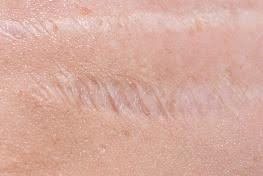
A sunken or depressed scar caused by loss of underlying tissue. It may appear as small pits, linear depressions or a broader area of thinning skin.
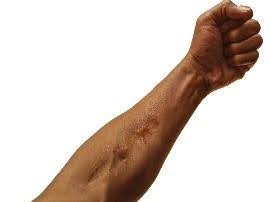
A scar following a heat or chemical injury, which may leave skin discoloured, raised or tight.
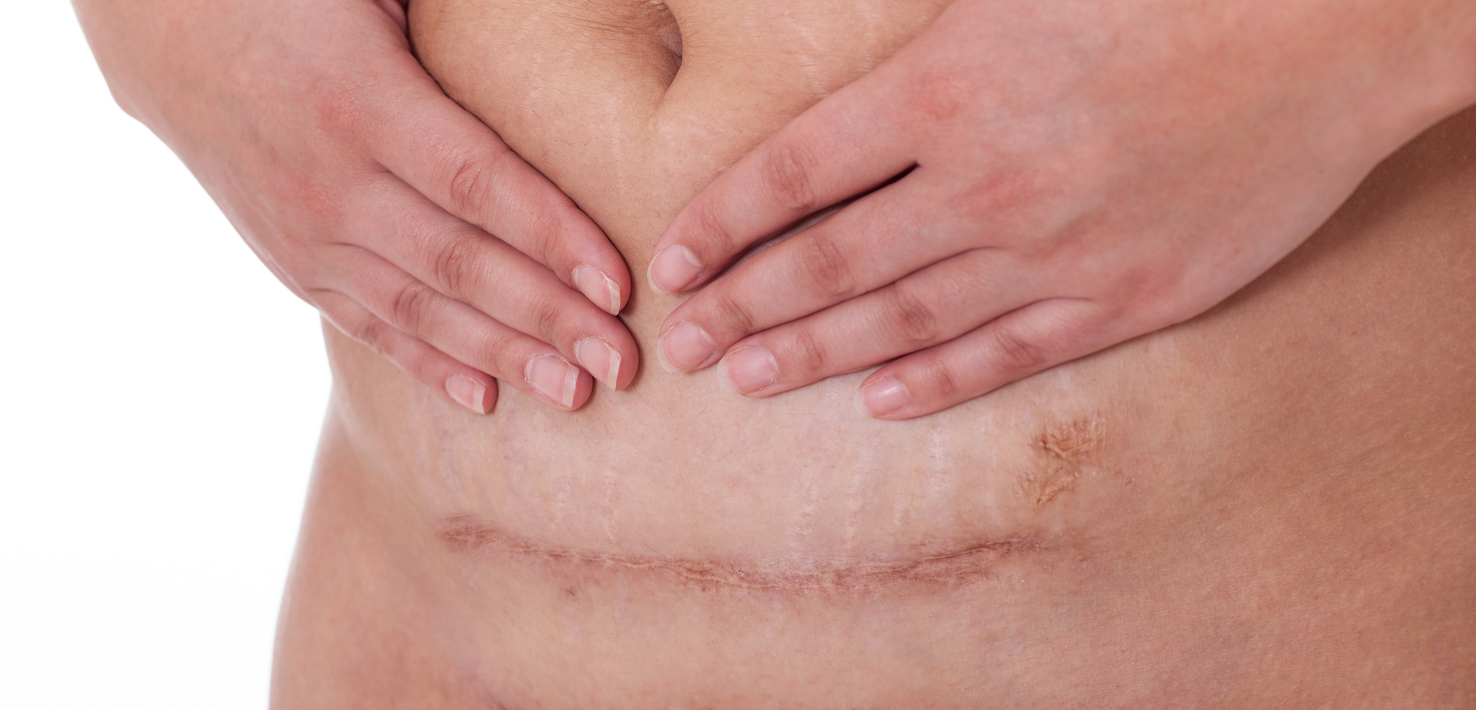
A horizontal lower-abdominal scar following caesarean delivery. ACC cover depends on the circumstances of the accepted injury.
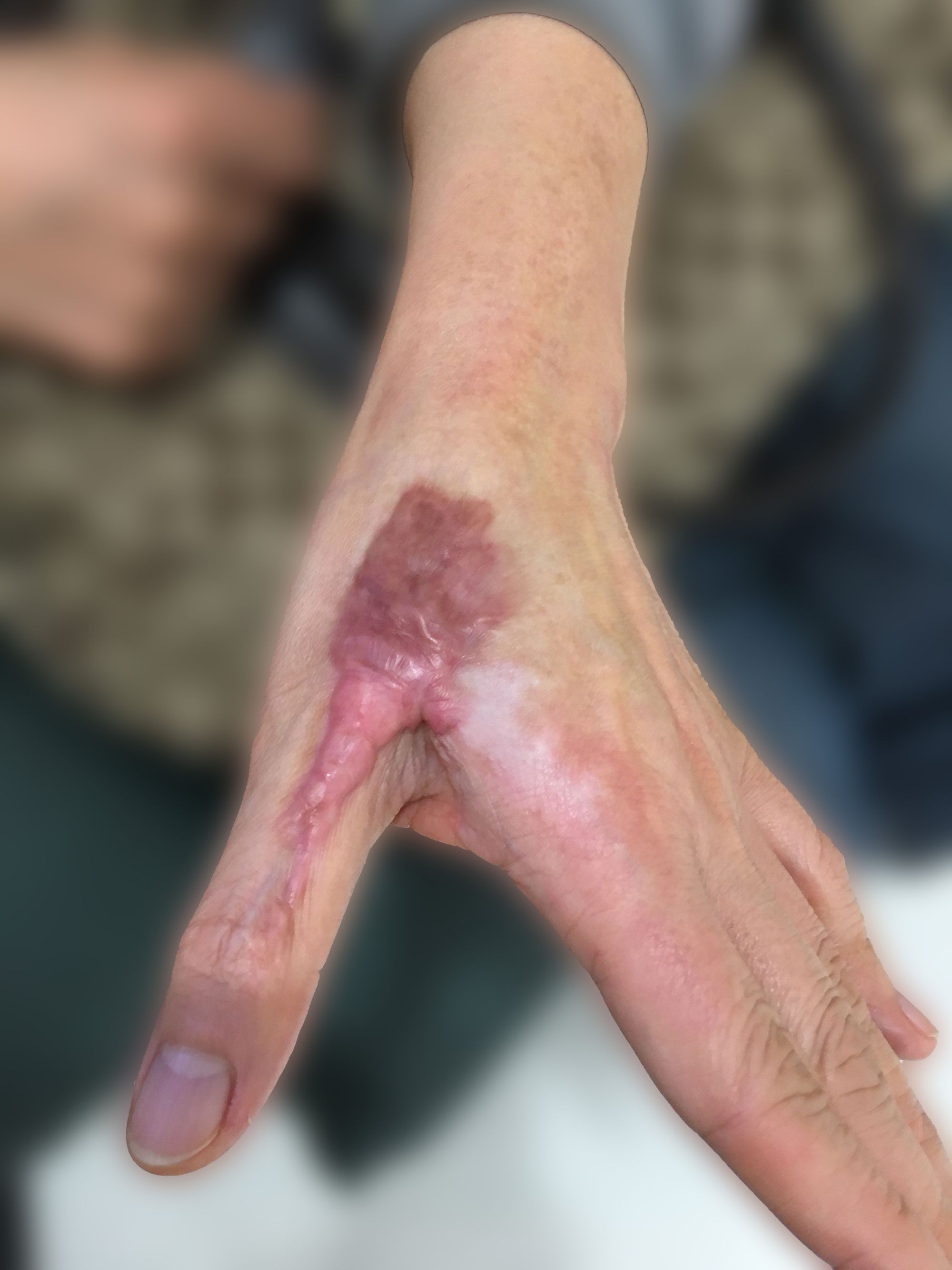
A scar that tightens after a skin injury, particularly a burn, and may pull on surrounding skin, muscles or joints.
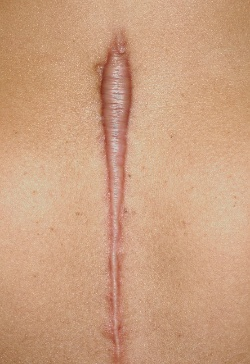
A raised, firm scar that remains within the original wound boundaries. It may be red or darker than the surrounding skin, itchy or increasingly prominent.
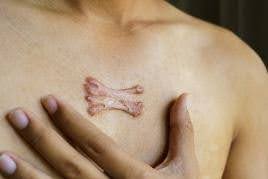
A thick, raised scar that grows beyond the original wound site and may be itchy, painful or discoloured.
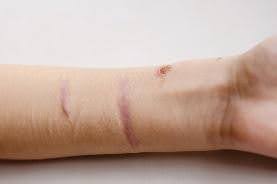
Linear, repeated scars often on arms or thighs, resulting from intentional injury.
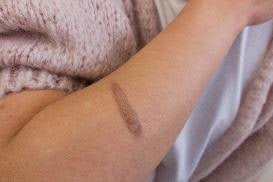
A colour change following an injury or treatment injury, including iron staining caused by infusion leakage.
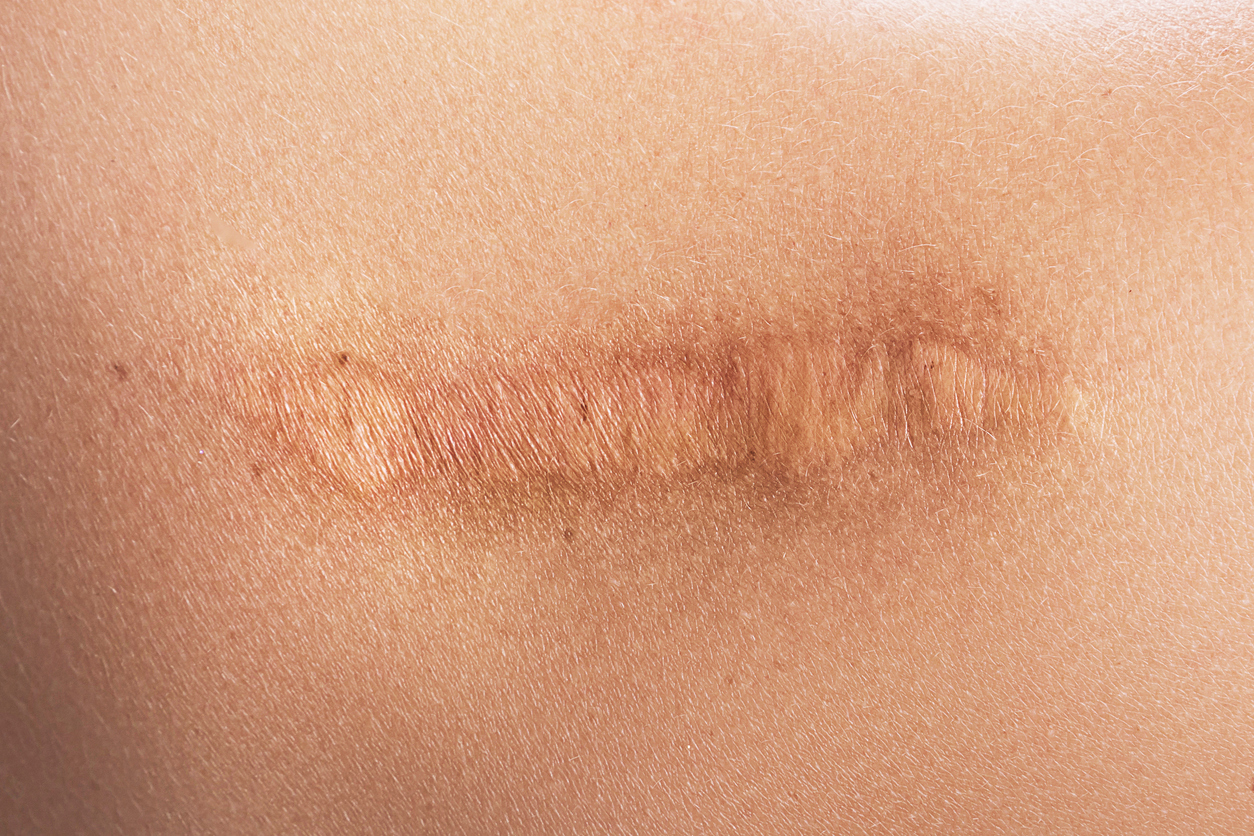
A flat, wide scar caused by the skin stretching during healing, often because of tension or movement.
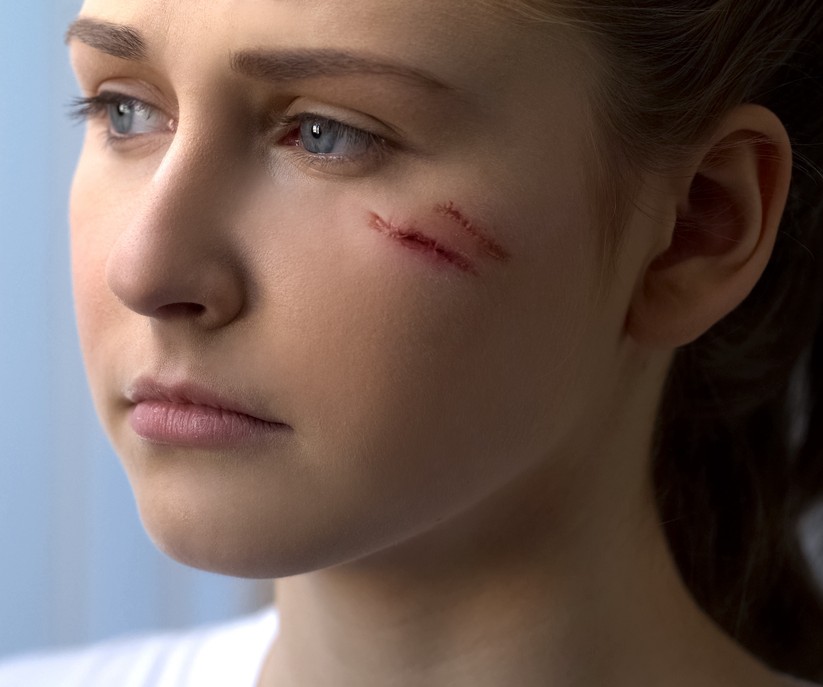
A scar left after cut or punctured skin heals, with its appearance depending on the injury and healing process.
Surface-level scraped skin with raw texture, usually from falls or friction.
Medication-induced skin changes, including minocycline-induced facial hyperpigmentation.
Post-surgical scarring from breast reconstruction or mastectomy, commonly semicircular or periareolar.
Long vertical scars across the chest, sometimes extending toward the abdomen.
Dog bite injuries can leave uneven texture, redness, contour change, and visible marks.
Scars from cuts, falls, burns, sports injuries, or other facial trauma.
A vertical scar from abdominal surgery running along the midline.
Scars from bone or joint surgery, often found over knees, shoulders, or elbows.
Road trauma can result in gravel rash, abrasions, lacerations, and more extensive scarring.
Accidental wounds that healed with secondary infection, often pigmented or irregular.
Persistent red tint from inflammation around an injury or healing site.
At Scars & Lasers, we provide specialist assessment and treatment planning for ACC skin injuries and traumatic scars, including scars resulting from accidents, burns, surgery, and lacerations.
ACC funding decisions are made independently of clinical assessment and are subject to eligibility criteria and written approval. Not all scars are suitable for private clinic treatment.
Visit your GP or urgent care doctor as soon as possible after the skin injury. They will assess the injury, document how it occurred and, where appropriate, lodge the relevant ACC45 claim on your behalf.
An accepted ACC45 claim and the issuing of a claim number (typically beginning with 100…) confirms that ACC has recognised your injury claim. Once you have received your claim number and are ready to arrange an appointment, please contact Scars & Lasers by phone or email at info@scarsandlasers.co.nz. Our team will then direct you to complete the appropriate online questionnaire via our website prior to your consultation. Once the required information has been received and reviewed, we will arrange an appointment with our specialist team.
Before the appointment, reception will confirm that your valid approved ACC claim relates to the consultation. Scars & Lasers can then submit the consultation fee to ACC through the ACC online portal, with no surcharge for the consultation. At the consultation, our laser nurse specialists or dermatologists will document how the injury occurred, photograph the affected areas, and complete a Surgical Assessment Report and Treatment Plan (ARTP) form where appropriate. Any proposed treatment remains subject to separate ACC review and approval.
ACC will then review the submitted documentation and, if approved, may contribute towards or cover the total cost of your treatment. Our team will then follow the treatment plan outlined in the ARTP and will regularly review your progress at each visit and adjust your treatment protocol as required.
For all appointment enquiries, medical referrals and urgent enquiries please contact us at info@scarsandlasers.co.nz or (09) 524 5011.
Call reception on (09) 524 5011Prefer to write to us?
Send an enquiry below and our reception team will follow up. This does not confirm an appointment.