

Surgical Scars
At a glanceSurgical scars are linear scars that result from incisions. Their appearance and healing process depend on the surgical method, aftercare, and individual skin type. They may be hypertrophic or atrophic, depending on how the skin heals.
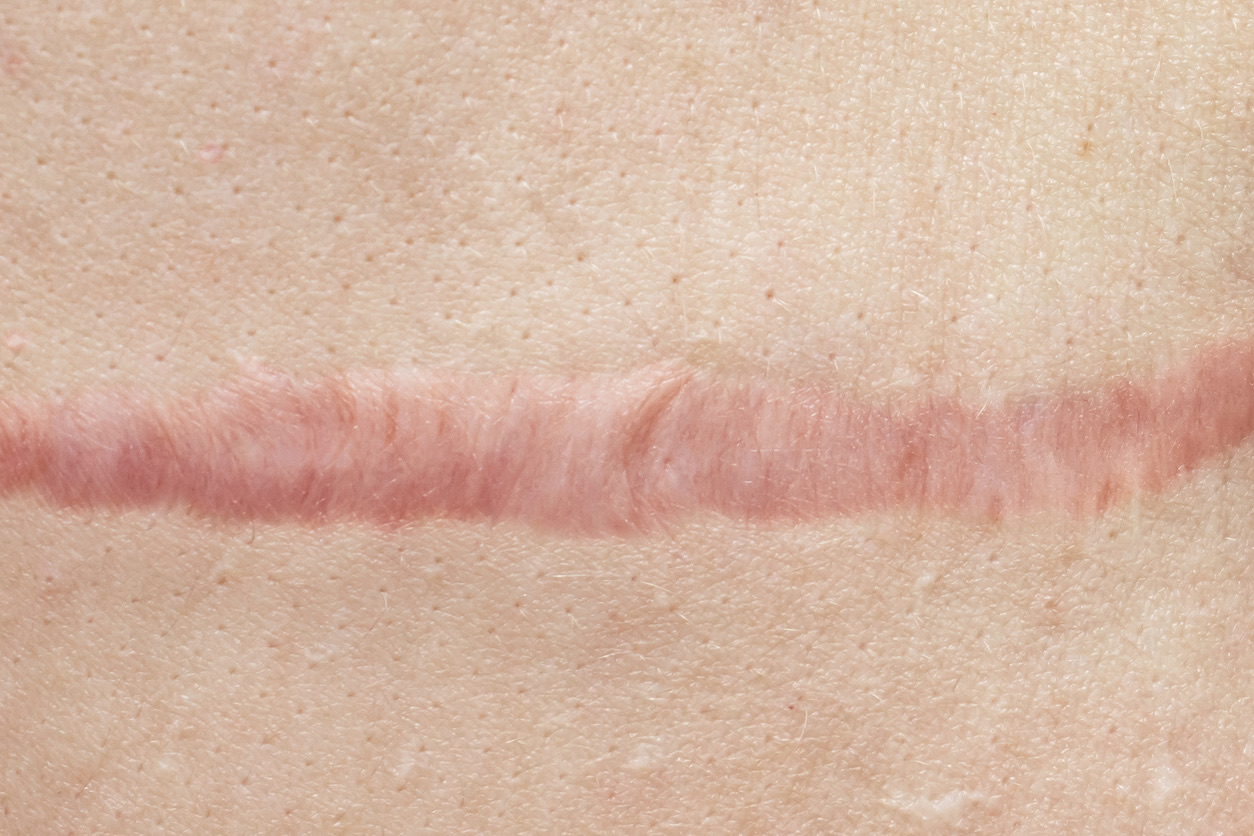

Surgical scars are the marks left on the skin after a surgical procedure. These scars vary in size and appearance depending on the type of surgery, location, and the patient’s healing process. While all surgical scars fade over time, some may remain raised, discoloured, or noticeable. Various treatments can help reduce the visibility of surgical scars, improving the overall skin appearance.
The Science Behind It
Surgical scars form as the body heals after a surgical incision or trauma. The healing process involves the production of collagen, which helps to repair the wound. However, in some cases, excess collagen can lead to hypertrophic or keloid scars, which appear raised and may be more difficult to treat. Factors such as genetics, skin type, and the location of the scar can influence how a surgical scar heals and its long-term appearance.
What are the best lasers for surgical scars?
For surgical scars, treatment is tailored to what stands out most—thickness, redness, or texture—so the scar blends more naturally with surrounding skin. Intralesional steroid/anti-metabolite injections may be used early for scars that are raised, firm, or becoming thickened, while VBeam® Pulse Dye Laser can help settle persistent redness. Acclaro UltraClear is often used to refine texture and support collagen remodelling, improving overall smoothness and blending over a series of sessions.
Treatment at a Glance
| Treatment Type | Number of Sessions | Procedure Time | Typical Recovery |
|---|---|---|---|
| Acclaro UltraClear® | 2 - 5+ sessions | 10 - 30 minutes | 3 - 5+ days |
| Excel® V+ | 3 - 5+ sessions | 20 - 30 minutes | 3 - 5+ days |
| Fraxel® Dual Laser | 2 - 5+ sessions | 10 - 30 minutes | 3 - 5+ days |
| Steroids, Anti-Metabolites, Sonophoresis & Advanced Laser Combination Therapy | 2 - 5 sessions | 5 - 10 minutes | 0 |
| Vbeam® Pulse Dye Laser | 2 - 5+ sessions | 10 - 30 minutes | 3 - 5+ days |
Frequently Asked Questions
While lasers cannot completely remove surgical scars, they can significantly reduce their appearance by flattening raised scars and improving pigmentation.
The number of sessions varies, but most patients require 3-5 sessions spaced several weeks apart for noticeable improvement.
Most laser treatments for surgical scars cause little to no discomfort. In most cases, a topical anaesthetic is sufficient; however, local anaesthesia may be injected if needed. After treatment, patients typically experience only mild redness or swelling.
Scar treatments can typically begin 2–4 weeks after surgery, once the wound has fully healed. The earlier the intervention, the better the results. Older scars can still benefit from treatment.
When lasers aren’t suitable, surgical scars can still be improved with several alternatives:
- Silicone gels/sheets – flatten and soften scars over time.
- Taping or pressure therapy – reduces tension and prevents scar widening.
- Steroid injections – improve raised or firm hypertrophic/keloid scars; can be combined with 5-FU.
- Scar massage – enhances softness and flexibility once healed.
- Surgical revision or subcision – re-aligns wide scars or releases tethering in indented scars.
- Fillers/biostimulators – correct contour defects and stimulate collagen for atrophic scars.
- Radio Frequency Needling – improves texture and mild contour irregularities.
- Sun protection – prevents redness and pigmentation from worsening.
These options are tailored based on whether a scar is raised, widened, indented, inflamed, or textured.
Surgical scars commonly start off red or pink, slightly raised, and firmer than surrounding skin—this is normal in early healing. Over time, many scars fade and soften, but some may remain raised (hypertrophic), sunken or indented (atrophic) due to tissue loss, or show colour changes, appearing either darker (hyperpigmented) or lighter (hypopigmented). Some scars also have a strong vascular component, staying red longer than expected.
Raised or thickened scars occur when the body produces excess collagen, resulting in hypertrophic or, less commonly, keloid scars. Indented scars may develop if deeper tissue was removed or if the scar becomes tethered to underlying structures, creating a pulling sensation or restricted movement. These changes affect the scar’s contour and may make it appear elevated, depressed, or tight.
Yes. During healing, scars may feel itchy, sensitive, or cause pins and needles, burning, or shooting pain—often due to nerve regeneration. Some scars remain symptomatic, especially if they are raised, tight, or tethered. While many sensations improve as the scar matures, persistent discomfort can be treated with targeted scar management.
Showing 6 of 8 questions
Important ACC & Treatment Disclaimer
ACC funding eligibility is determined by the Accident Compensation Corporation on a case-by-case basis. Approval is dependent on injury acceptance, clinical indication, and ACC policy at the time of application. If you have a valid ACC claim accepted by ACC and relevant to the consultation, reception will confirm it before your appointment so the consultation fee can be submitted to ACC with no surcharge. Any proposed treatment requires separate ACC approval, and private fees may apply for care that is not funded.
Learn more about ACC IncidentsAdvanced treatment for surgical scars focused on skin refinement, scar remodelling, and long-term restoration.
Book Your Consultation
Take the first step towards healthier skin. Leave your details below and our friendly team will be in touch to secure your appointment.