

Melasma (Hormonal pigmentation/chloasma)
At a glanceMelasma is a common skin condition that causes brown or grey-brown patches, most often on the face—particularly the cheeks, forehead, nose, and upper lip. It occurs when pigment-producing cells in the skin (melanocytes) become overactive, usually triggered by sun exposure, hormonal changes (such as pregnancy or oral contraceptives), and certain skincare products. While melasma is not harmful, it can be distressing for those affected. Fortunately, there are effective treatments available.
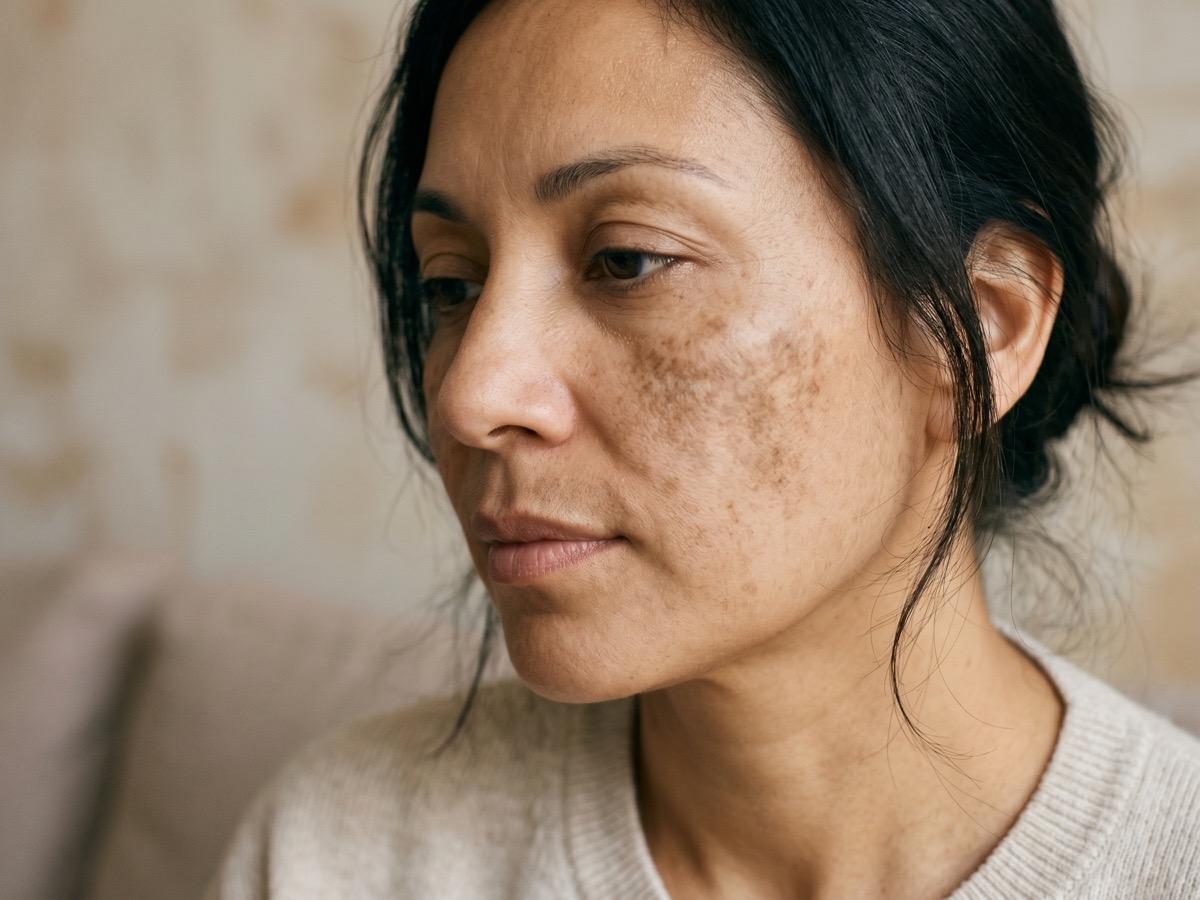

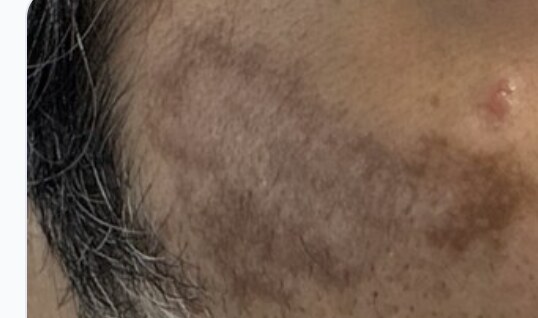
Melasma is an acquired disorder of hyperpigmentation characterised by symmetrical, irregularly bordered brown to grey-brown macules and patches, most commonly affecting sun-exposed areas of the face such as the cheeks, forehead, upper lip, and chin. It is a benign condition but often chronic and relapsing.
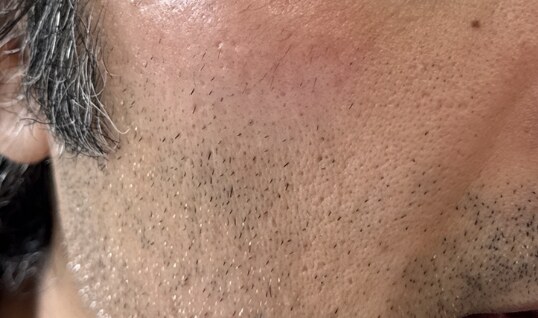
Melasma develops due to overactivity of melanocytes, the pigment-producing cells of the skin, leading to excess melanin production and abnormal pigment deposition within the epidermis, dermis, or both. This melanocyte hyperactivity occurs without an increase in melanocyte number and results in visible darkened patches of skin.
The Science Behind It
The pathogenesis of melasma is multifactorial. Key triggers include ultraviolet and visible light exposure, which directly stimulate melanin production and induce cutaneous inflammation that further exacerbates pigmentation. Hormonal influences—such as pregnancy, oral contraceptive use, and hormone replacement therapy—play a significant role, as do genetic predisposition and certain medications or topical products.
Individuals with darker skin types are more susceptible due to naturally higher baseline melanocyte activity. Emerging evidence also suggests that vascular changes, increased blood vessel signalling, and skin barrier dysfunction contribute to the development and persistence of melasma.
Effective management requires a multimodal, long-term approach, including strict photoprotection, topical pigment-modifying agents, and carefully selected procedural treatments. Given the risk of post-inflammatory hyperpigmentation, particularly in skin of colour, treatment should be guided by clinicians experienced in managing pigmentary disorder.
What are the best lasers for Melasma?
Laser treatments are considered a third-line option in the management of melasma and are typically reserved for patients whose pigmentation has been resistant to, or has failed to adequately respond to, conventional therapies such as topical agents and systemic treatments. Lasers do not cure melasma. Rather, they may help improve pigmentation in carefully selected cases by targeting excess melanin and, in some instances, associated vascular components. Treatment is often performed using conservative settings to minimise the risk of post-inflammatory hyperpigmentation, particularly in darker skin types.Optimal outcomes usually require a combination approach, with laser therapy used alongside ongoing topical treatments, strict photoprotection, and long-term maintenance strategies. Recurrence is common, and patients should be counselled that repeat treatments and sustained skincare regimens are often necessary to maintain improvement over time.
Treatment at a Glance
| Treatment Type | Number of Sessions | Procedure Time | Typical Recovery |
|---|---|---|---|
| Picosecond laser | 2 - 5+ sessions | 10 - 30 minutes | 3 - 5+ days |
| Biomodulator / Biostimulator Injections | 3 sessions - every 3-4 weeks, for 3 months | 30 minutes | Slight redness and swelling for 48 hours |
Frequently Asked Questions
Persistent pigmentation is usually due to one or more of the following factors:
- Insufficient sun and visible-light protection UV and visible light are major drivers of pigmentation. If sunscreen is not the correct type, amount, or reapplied often enough, pigmentation will continue to flare—no matter how much treatment you do.
- An incomplete or unbalanced treatment plan Melasma and other pigment conditions often require a combination of treatments (lasers, medical creams, peels). Relying on a single treatment is rarely effective.
- Ongoing underlying inflammation Conditions like acne can continuously trigger post-inflammatory pigmentation. If inflammation isn’t treated, pigmentation will keep returning.
- Incorrect diagnosis There are over 150 causes of pigmentation. If the underlying type is misdiagnosed, even the best treatments may not work. Accurate diagnosis is the critical first step.
There is no permanent cure for melasma, but it can be very effectively controlled with the right treatment plan. Melasma behaves as a chronic condition, meaning ongoing maintenance and sun protection are essential to prevent relapse.
The goal of treatment is to lighten pigmentation, stabilise pigment cells, and reduce future flare-ups.
The timeframe for improvement varies depending on the type of treatment used and your individual skin response.
- Topical treatments typically take several weeks to months to show visible improvement.
- Procedural treatments, such as medical chemical peels or laser therapy, may produce earlier changes, sometimes within 1–2 weeks.
Regardless of the treatment approach, melasma improves gradually. The most consistent and meaningful results are usually seen 3 to 5 months after starting a structured treatment programme, particularly when treatments are combined with strict sun and visible-light protection.
Melasma requires patience and ongoing care, but with the right approach, progressive and sustained improvement is achievable.
Yes. Most cases of melasma will recur after a period of remission. The length of remission is highly variable and may last anywhere from several months to over a year.
Factors that influence recurrence include:
- Genetics (the most significant factor)
- Ongoing exposure to UV and visible light
- Background cellular ageing
- Chronological age
- Hormonal influences
While recurrence is common, the duration of remission can often be extended. In many patients, this is achieved by remodelling the deeper dermal structures of the skin, which helps stabilise pigment activity. This process typically takes 6 to 18 months and may involve appropriate medical skincare and carefully chosen laser treatments that stimulate collagen production in deeper skin layers.
Over time, the natural history of melasma is to gradually fade, often becoming less active later in life, commonly after the seventh decade.
Yes. Melasma is strongly influenced by hormones and is more commonly seen:
- During pregnancy (often called chloasma)
- In women
- Following initiation of the oral contraceptive pill or hormone replacement therapy (HRT)
Melasma develops in genetically susceptible individuals, meaning the tendency is part of your genetic makeup. While hormones may trigger melasma, the condition is consistently worsened by UV, visible light, and heat exposure.
Because genetics cannot be altered and hormonal withdrawal is often impractical or inappropriate, treatment focuses on strict reduction of radiation exposure, particularly sun and heat.
Mela B3 is an over-the-counter topical treatment designed to address various forms of pigmentation, including melasma and post-inflammatory hyperpigmentation.
It can be:
- Used long term
- Integrated into a broader melasma management plan
- Helpful for maintenance and pigment control
While not a replacement for prescription or procedural therapies in moderate to severe melasma, it may play a supportive role when used appropriately.
Yes. Heat is a well-recognised trigger for melasma.
Heat sources emit infrared (IR) radiation, which can stimulate pigment cells and worsen melasma. Common sources include:
- Cooking, particularly over open fire or gas stoves
- Saunas
- Fireplaces
- Prolonged exposure to high ambient heat
Infrared radiation is not blocked by sunscreen, making it difficult to fully prevent. Practical strategies focus on heat avoidance and physical barriers where possible.
The best sunscreen for melasma is an SPF 50+ broad-spectrum sunscreen that also protects against visible light. Tinted sunscreens containing iron oxides are ideal, as they block the full spectrum of light that triggers melasma.
For best results:
- Use SPF 50+ broad-spectrum daily
- Choose a tinted/iron oxide formula
- Apply in the correct amount and reapply with outdoor exposure
Consistent sunscreen use is the most important step in preventing flare-ups and maintaining treatment results.
Showing 6 of 8 questions
Elevating melasma treatment through precision pigment correction and advanced dermatologist-directed skin restoration.
Book Your Consultation
Take the first step towards healthier skin. Leave your details below and our friendly team will be in touch to secure your appointment.