

Hypertrophic Scars
At a glanceHypertrophic scars are raised, red, and typically remain within the boundaries of the original wound. They result from excessive collagen production during healing but may fade over time. At Scars & Lasers, we offer laser treatments and other therapies to help flatten and reduce the visibility of hypertrophic scars.
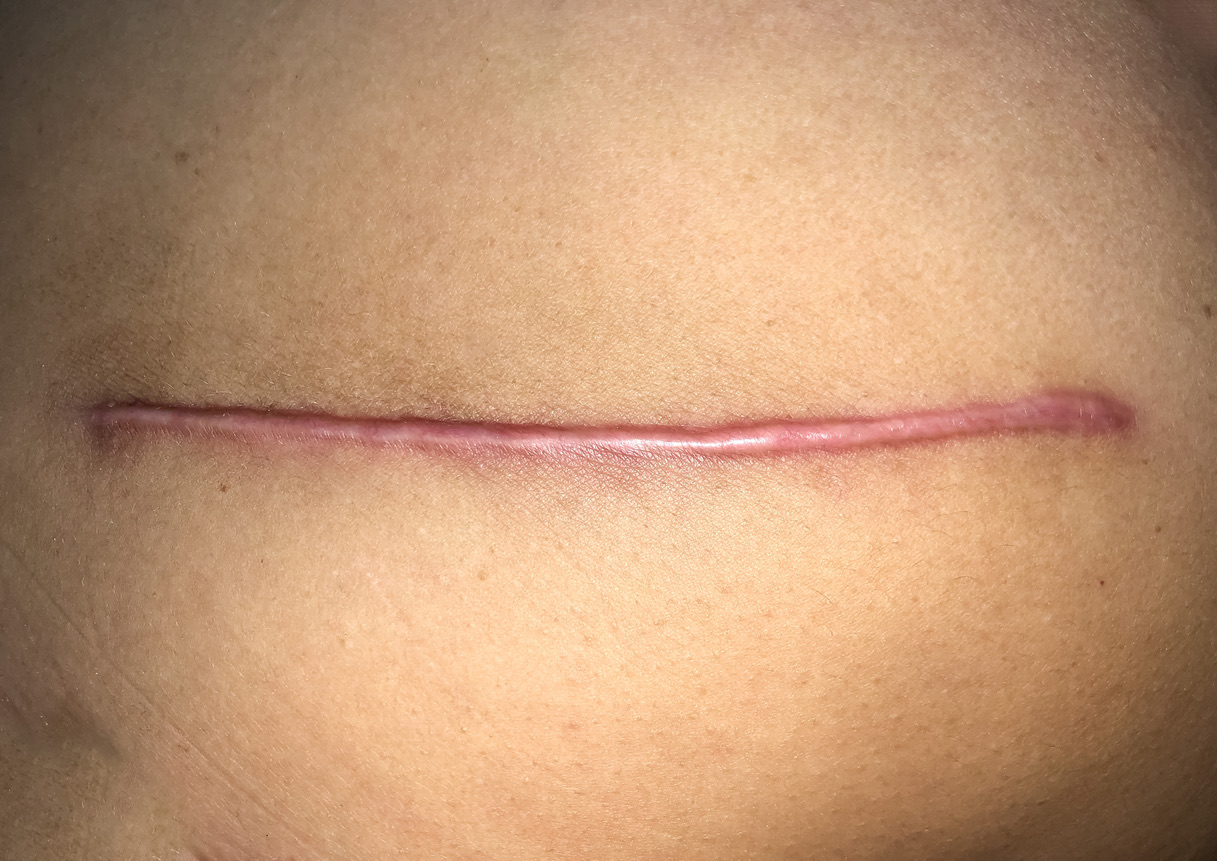

Hypertrophic scars form as thick, raised scars that stay within the boundaries of the original wound. Unlike keloid scars, hypertrophic scars do not extend beyond the injury site, but they can appear red, swollen, and firm. These scars typically occur after burns, surgical incisions, or significant skin trauma and can affect both appearance and movement, especially when located over joints. While hypertrophic scars may fade and flatten over time, they can cause discomfort, itching, or pain, prompting patients to seek treatment for both aesthetic and functional reasons.
The Science Behind It
Hypertrophic scars form when excess collagen is produced during the healing process, resulting in a raised and firm appearance. This overproduction of collagen occurs due to factors such as deep skin trauma, burns, or surgeries. Unlike keloids, hypertrophic scars remain confined to the original injury site but can be more noticeable due to their height and coloration. Over time, these scars may flatten and fade, but they can still cause discomfort, particularly in areas prone to movement. Early intervention can help reduce scar formation and improve the long-term appearance and function of the affected area.
What are the best lasers for hypertrophic scars?
For hypertrophic scars (raised scars), treatment is usually aimed at calming scar activity, flattening thickness, and improving redness and texture. Intralesional steroid/anti-metabolite injections are often the first step to help soften and reduce the height of the scar, while VBeam® Pulse Dye Laser can be used to target persistent redness. Once the scar is more stable and flatter, Acclaro UltraClear and Fraxel® Dual Laser may be introduced to refine texture and help the scar blend more smoothly with surrounding skin, often through a tailored combination plan over several sessions.
Treatment at a Glance
| Treatment Type | Number of Sessions | Procedure Time | Typical Recovery |
|---|---|---|---|
| Acclaro UltraClear® | 2 - 5+ sessions | 10 - 30 minutes | 3 - 5+ days |
| Alma Hybrid™ | 2 - 5+ sessions | 10 - 30 minutes | 3 - 5+ days |
| Fraxel® Dual Laser | 2 - 5+ sessions | 10 - 30 minutes | 3 - 5+ days |
| Steroids, Anti-Metabolites, Sonophoresis & Advanced Laser Combination Therapy | 2 - 5 sessions | 5 - 10 minutes | 0 |
| Vbeam® Pulse Dye Laser | 2 - 5+ sessions | 10 - 30 minutes | 3 - 5+ days |
Frequently Asked Questions
Laser treatments can significantly reduce the redness, thickness, and discomfort associated with hypertrophic scars. While lasers don’t completely remove scars, they improve their appearance and make them less noticeable.
The Candela VBeam® is particularly effective in reducing redness and treating hypertrophic scars. Fractional ablative lasers, such as Alma Hybrid™ and Acclaro UltraClear®, are commonly used to flatten raised scars and enhance skin texture by stimulating collagen remodelling.
Typically, 3–5 sessions are needed for noticeable improvements. The exact number depends on the size, age, and severity of the scar, as well as your skin’s response to treatment.
Patients often experience minimal discomfort during treatment, described as a mild snapping or warming sensation. Numbing creams ,local anasthesia and cooling devices are available to enhance comfort during the procedure.
Recovery time depends on the type of laser used. Pulse dye lasers typically involve minimal downtime, although temporary purpura (bruising) may persist for up to a week. Fractional ablative lasers generally require a healing period of up to seven days.
Side effects may include temporary redness, swelling, and mild irritation. Rarely, pigmentation changes or blistering can occur, particularly in darker skin tones. Choosing a medically qualified specialist laser dermatologist minimizes these risks.
Hypertrophic scars can recur if the healing area is exposed to tension, stretching, friction, or impact. After treatment—whether injections, laser, surgery, or pressure therapy—it is important to protect the area for several weeks.
Activities to avoid or limit:
1. High-tension movements around the scar
Anything that pulls or stretches the skin can cause the scar to thicken again. Avoid:
- Heavy lifting
- Chest/shoulder workouts
- Deep stretching (yoga, pilates, overhead movements)
- Rapid upper-body rotation if the scar is on the torso or shoulders
2. Contact sports
Avoid activities where the scar might be hit or rubbed:
- Rugby, football, netball
- Martial arts, boxing
- Wrestling or grappling sports
These risks include impact, abrasion, and re-injury, all of which promote scar overgrowth.
3. Activities causing repetitive friction
Repeated rubbing can trigger inflammation and stimulate collagen overproduction. Avoid:
- Tight clothing or straps over the area
- Backpack straps
- Chin straps, helmets, bra straps
- Equipment pressing on the scar
4. Activities that cause excessive sweating or heat
Heat and moisture can irritate healing tissue. Avoid:
- Hot yoga
- Saunas/steam rooms
- High-intensity cardio causing prolonged sweating directly over the scar
5. Activities that apply pressure to the area
Pressure can disrupt tissue healing and stimulate scar regrowth. Avoid:
- Weight machines or mats pressing on the scar
- Sleeping or lying on the treated area
- Carrying loads that press on the site (e.g., bags, harnesses)
- Protect the area for 6–12 weeks, depending on your dermatologist’s instructions.
- Continue silicone therapy, taping, or pressure garments if prescribed.
- Stop any activity that causes redness, swelling, itch, or pain at the scar site and seek review.
- Long-term, reducing friction and avoiding re-injury helps prevent hypertrophic scar recurrence.
Showing 6 of 8 questions
Important ACC & Treatment Disclaimer
ACC funding eligibility is determined by the Accident Compensation Corporation on a case-by-case basis. Approval is dependent on injury acceptance, clinical indication, and ACC policy at the time of application. If you have a valid ACC claim accepted by ACC and relevant to the consultation, reception will confirm it before your appointment so the consultation fee can be submitted to ACC with no surcharge. Any proposed treatment requires separate ACC approval, and private fees may apply for care that is not funded.
Learn more about ACC IncidentsAdvanced treatment or hypertrophic scars focused on precision scar remodelling and skin restoration.
Book Your Consultation
Take the first step towards healthier skin. Leave your details below and our friendly team will be in touch to secure your appointment.