

What Skin Cancers Require Urgent Treatment?
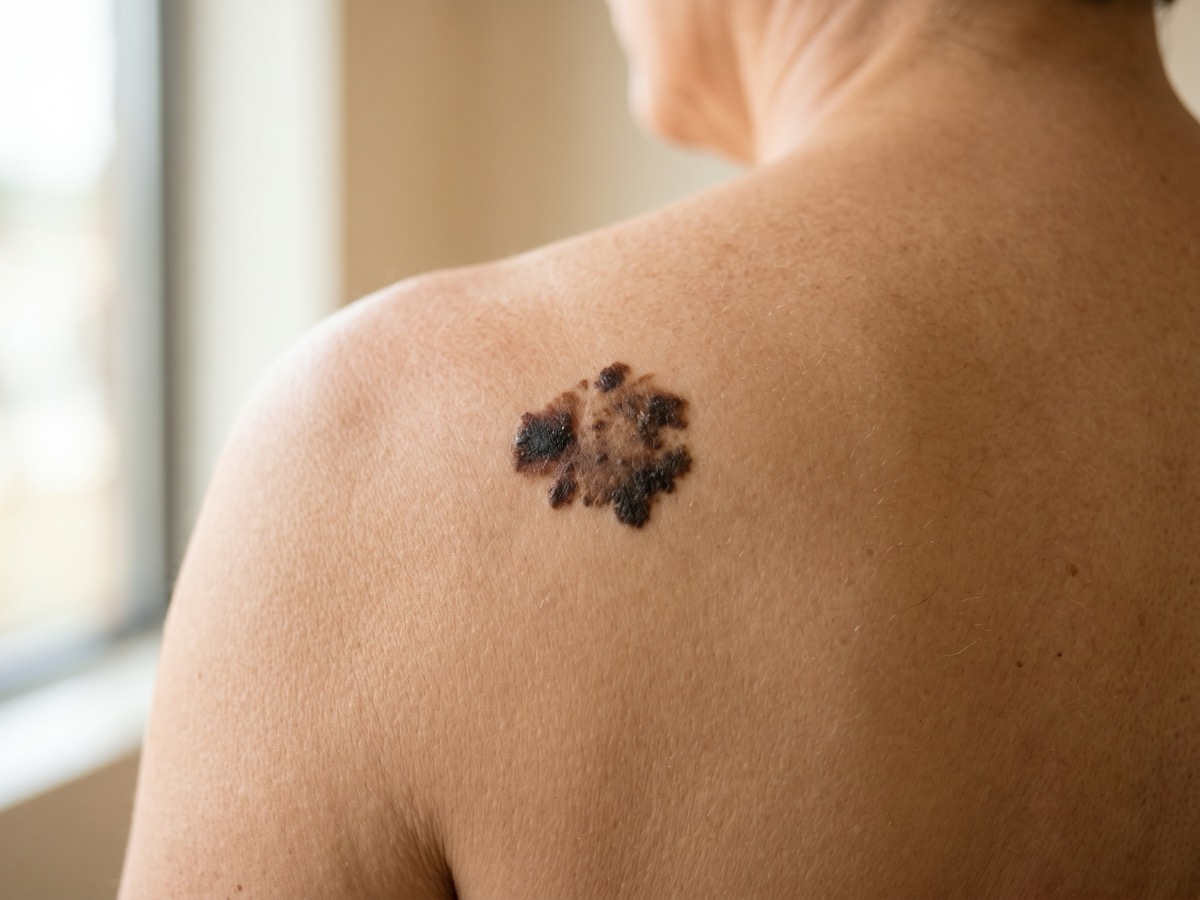
Some skin cancers require urgent assessment and treatment because they can grow rapidly, invade deeper tissues, damage surrounding structures, or spread to lymph nodes and internal organs. While many skin cancers are slow growing, others — particularly certain melanomas and aggressive squamous cell carcinomas — may progress quickly over weeks to months. Warning signs include rapid enlargement, bleeding, ulceration, pain, tenderness, colour change, or the sudden appearance of a new lesion. At Scars & Lasers, specialist dermatologists assess suspicious or rapidly changing skin lesions using advanced dermatological expertise, dermoscopy, and where appropriate, biopsy and histopathological analysis. Early diagnosis and timely treatment are critical in achieving the best possible medical and cosmetic outcomes.

The Science Behind It
Skin cancers develop when DNA damage within skin cells causes uncontrolled cellular growth. While ultraviolet (UV) radiation from sun exposure remains the most common cause, genetics, immune suppression, previous radiation exposure, chronic inflammation, and advancing age may also contribute.
Not all skin cancers behave the same way. Some grow slowly over years, while others can become invasive or metastatic within a relatively short period of time.
Higher-risk and potentially urgent skin cancers include:
- Rapidly growing melanoma
- Nodular melanoma
- Amelanotic melanoma
- Merkel cell carcinoma
- Poorly differentiated squamous cell carcinoma
- Rapidly enlarging squamous cell carcinoma
- Recurrent skin cancers
- Skin cancers involving the lips, eyelids, ears, nose, scalp, fingers, toes, or genitals
- Large, ulcerated, bleeding, or painful tumours
- Skin cancers associated with nerve symptoms such as pain, tingling, or numbness
Melanoma is particularly important because of its ability to spread through lymphatic and blood vessels to other organs. Nodular melanoma may grow vertically into the skin very quickly and may not always follow the traditional ABCDE warning signs.
Squamous cell carcinoma may also behave aggressively, especially when poorly differentiated, recurrent, rapidly growing, or occurring in immunosuppressed patients. Certain anatomical locations — including the ear, lip, scalp, and genital region — are associated with increased metastatic risk.
Early specialist assessment allows accurate diagnosis, risk stratification, and appropriate treatment planning, which may include surgical excision, Mohs micrographic surgery, staged reconstruction, or additional investigations where required.
Treatment at a Glance
| Treatment Type | Number of Sessions | Procedure Time | Typical Recovery |
|---|---|---|---|
| Steroids, Anti-Metabolites, Sonophoresis & Advanced Laser Combination Therapy | 2 - 5 sessions | 5 - 10 minutes | 0 |
Skin Lesions
Frequently Asked Questions
Rapidly growing melanomas, nodular melanomas, Merkel cell carcinoma, and aggressive squamous cell carcinomas are among the most urgent skin cancers requiring prompt specialist assessment and treatment.
Important ACC & Treatment Disclaimer
ACC funding eligibility is determined by the Accident Compensation Corporation on a case-by-case basis. Approval is dependent on injury acceptance, clinical indication, and ACC policy at the time of application. Not all treatments offered at Scars & Lasers are ACC-funded. Private fees may apply for unfunded components of care.
Learn more about ACC IncidentsRapidly growing, changing, bleeding, or high-risk skin cancers should be assessed promptly by a specialist dermatologist to guide accurate diagnosis and timely treatment.
Book Your Consultation
Take the first step towards healthier skin. Leave your details below and our friendly team will be in touch to secure your appointment.