

Post-Inflammatory Hyperpigmentation
At a glancePost-inflammatory hyperpigmentation (PIH) is a common skin condition where dark spots or patches occur following acne or skin injury from multiple causes. It occurs as a response to skin inflammation, causing an overproduction of melanin (pigment).
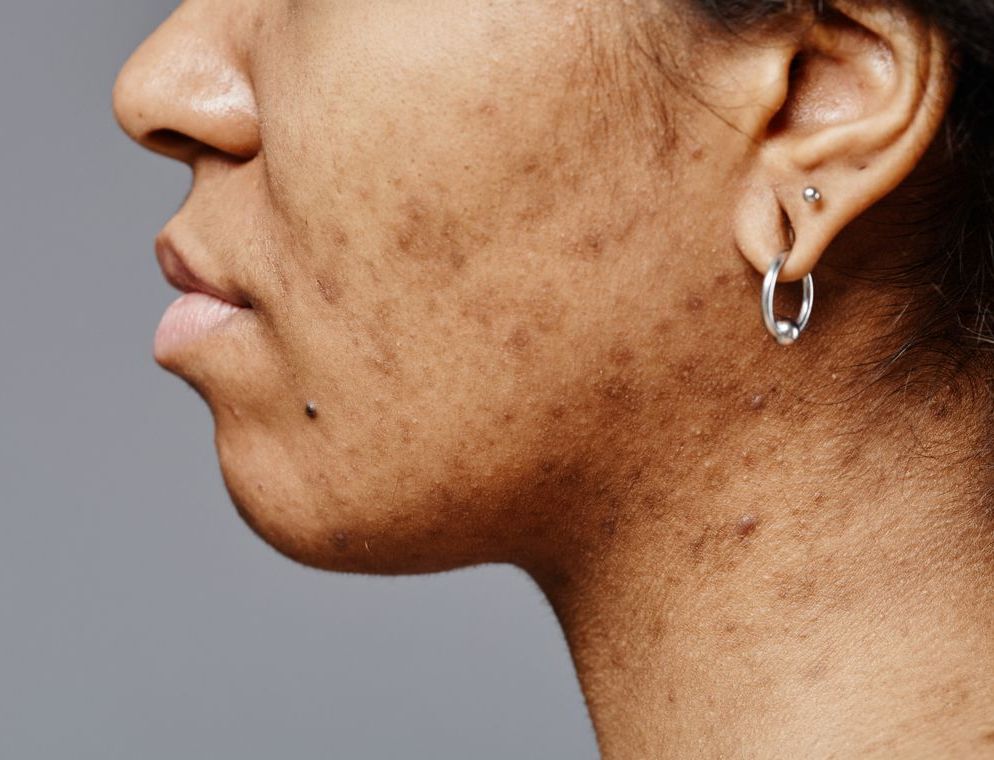

Post-inflammatory hyperpigmentation (PIH) are dark marks that appear on your skin after acne or skin trauma. These spots are caused by left over inflammation, which leads to extra pigment in the skin. PIH is more common in people with darker skin tones and can take a long time to fade, sometimes lasting for years if untreated. While the spots aren't permanent, Dermatologists often combine treatments, such as topical creams alongside laser therapy, to achieve the best results. Regular follow-ups ensure safe and effective progress.
The Science Behind It
Post-inflammatory hyperpigmentation (PIH) occurs when skin inflammation, such as from acne, triggers an overproduction of melanin, the pigment responsible for skin colour. This results in dark spots or patches that can range from brown to gray, depending on skin type and the depth of pigmentation. Inflammation activates pigment-producing melanocytes, depositing excess melanin in the epidermis (surface layer) or dermis (deeper layer). UV exposure can worsen PIH by stimulating further melanin production. While PIH often fades over time, laser therapy can help accelerate the process and restore an even skin tone.
What are the best lasers for post-inflammatory hyperpigmentation?
For Post-Inflammatory Hyperpigmentation (PIH), treatment focuses on safely breaking up excess pigment while supporting skin recovery and preventing recurrence. A picosecond laser can help target stubborn pigmentation, while Acclaro UltraClear may be used to improve overall tone and texture when appropriate. Bioremodulator injections can support skin repair and resilience, and Secret RF may be added to refine texture and strengthen the skin barrier—often as part of a layered plan tailored to your skin tone, trigger factors, and how reactive your pigmentation is.
Treatment at a Glance
| Treatment Type | Number of Sessions | Procedure Time | Typical Recovery |
|---|---|---|---|
| Acclaro UltraClear® | 2 - 5+ sessions | 10 - 30 minutes | 3 - 5+ days |
| Biomodulator / Biostimulator Injections | 3 sessions - every 3-4 weeks, for 3 months | 30 minutes | Slight redness and swelling for 48 hours |
| Picosecond laser | 2 - 5+ sessions | 10 - 30 minutes | 3 - 5+ days |
| Secret RF | 2 - 4 sessions | 40 minutes | 3 - 5 days |
Frequently Asked Questions
Post-Inflammatory Hyperpigmentation (PIH) is a type of darkening of the skin that appears after inflammation or injury—most commonly after acne, eczema, dermatitis, insect bites, or irritation from skincare treatments. It isn’t a “scar” in the traditional sense; it’s extra pigment produced during the skin’s healing process. PIH can fade over time, but treatment can help it clear faster and more evenly.
We usually treat PIH with a combination approach depending on the cause, depth of pigment, and skin tone. Options may include Picosecond laser (to target pigment), Acclaro UltraClear (to support skin renewal and texture), Secret RF (when inflammation/acne activity and skin remodeling are also part of the picture), and Bioremodulator injections (to improve skin quality and resilience). The goal is to fade pigment safely while reducing the chance of triggering more pigmentation.
It depends on what’s driving the pigmentation:
- Picosecond laser is often preferred when the main issue is pigment that needs targeted clearing.
- Acclaro UltraClear can be helpful when PIH sits alongside uneven texture or dullness and we want controlled resurfacing.
- Secret RF is useful when PIH is linked with acne activity, redness, enlarged pores, or early scarring—because it treats deeper skin remodeling too.
- Bioremodulator injections don’t “erase pigment” directly, but they can support healthier skin recovery and improve overall tone and glow, especially when skin is reactive or sensitised.
Most people need a series of treatments rather than a one-off session. Some start noticing a brighter, more even tone after the first treatment, but PIH typically improves gradually over several weeks to a few months, depending on depth of pigment and how easily your skin re-pigments. We’ll map out a plan based on how your skin responds after the first session or two.
It can, and it’s one of the main reasons we treat PIH carefully. PIH is essentially a “pigment response” to inflammation, so anything that creates too much heat or irritation—sun exposure, active acne, aggressive settings, over-exfoliation, picking, or even harsh skincare—can trigger new pigment while we’re trying to clear the old pigment.
At Scars & Lasers, we reduce that risk by:
- Choosing the right tool for the job (e.g., picosecond laser for pigment targeting vs. UltraClear/Secret RF when texture and remodeling are also needed).
- Using conservative, staged settings and building up gradually rather than “going hard” in one session.
- Spacing treatments appropriately so your skin fully settles between sessions.
- Controlling the triggers (especially UV exposure and ongoing inflammation like acne or dermatitis).
Even with good technique, some skin types are naturally more prone to PIH, so we’ll be upfront about risk, and we’ll adjust the plan if your skin shows signs of sensitivity.
Home care makes a huge difference—often as much as the in-clinic treatment—because PIH tends to worsen with ongoing irritation and sun exposure.
Here’s what usually helps most:
- Daily sun protection is non-negotiable: Use a broad-spectrum SPF every morning, and reapply if you’re outdoors. UV (and even visible light for some people) can keep pigment “switched on,” making PIH linger.
- Avoid picking or rubbing: Any repeated trauma—picking acne, scratching, scrubs, harsh towels—can re-trigger pigment.
- Keep your routine calm and consistent: Gentle cleanser, moisturiser, and sunscreen is a strong base. Overloading your skin with too many actives often backfires.
- Be careful with strong actives: Retinoids, AHAs/BHAs, vitamin C, and brightening agents can help PIH, but timing matters. Around laser/RF sessions we often recommend pausing actives before and after treatment, then reintroducing them slowly once your skin barrier is stable.
- Treat the root cause: If acne, eczema, or irritation is still active, PIH will keep forming. We’ll often pair pigment treatment with acne control or barrier repair so you’re not fighting an uphill battle.
If you want, tell me what your PIH is mainly from (acne vs rash/eczema vs injury) and what skincare you’re using now, and I’ll rewrite 6 to match a more specific “do/don’t” list in your clinic tone.
Targeted pigment correction guided by specialist dermatology—restoring clarity, tone, and confidence after inflammation.
Book Your Consultation
Take the first step towards healthier skin. Leave your details below and our friendly team will be in touch to secure your appointment.