

Squamous Cell Carcinoma
Second most common non-melanoma skin cancer in New Zealand
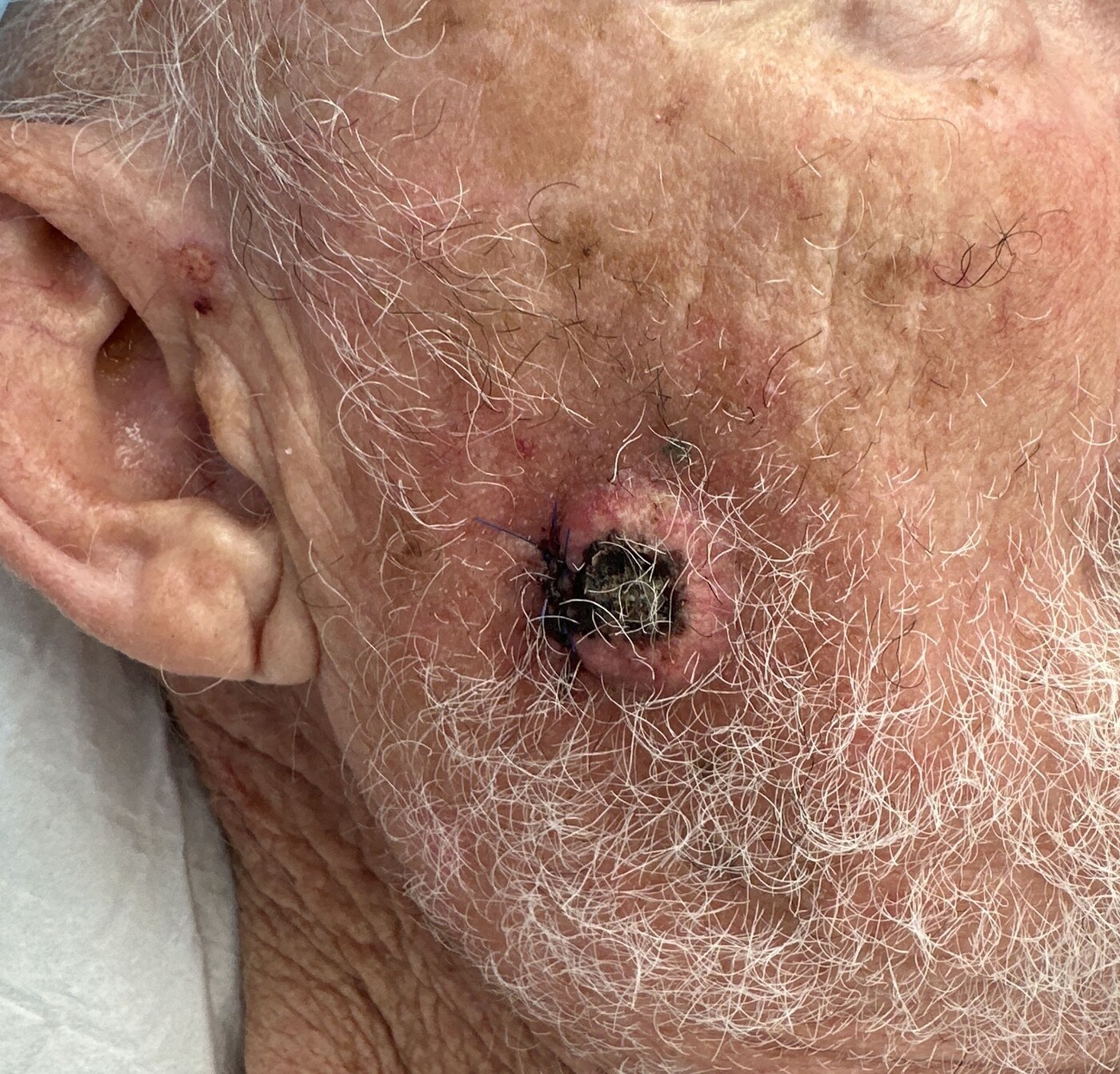

Squamous cell carcinoma (SCC) is the second most common form of skin cancer after basal cell carcinoma (BCC). It develops from squamous cells, which make up the surface layer of the skin (the epidermis).
The Science Behind It
Squamous Cell Carcinoma is the second most common form of skin cancer after Basal Cell Carcinoma. It develops from squamous cells, which make up the outer layer of the skin (epidermis). SCC typically arises in areas that have experienced long-term sun exposure, but it can also occur on parts of the body not typically exposed to sunlight.
Common Sites
- Typically found on sun-exposed regions such as the face, scalp, neck, ears, lips, hands, and arms.
- May also develop in non-sun-exposed areas like the genitals or mucosal surfaces.
Risk Factors
- Prolonged exposure to UV radiation and repeated sunburns.
- Use of tanning beds.
- Individuals with fair skin and light eye colour are at higher risk.
- People with weakened immune systems (e.g., post-transplant patients).
- A history of actinic keratosis (a precancerous skin condition).
Growth and Spread
- SCC can behave more aggressively than BCC.
- If untreated, it may spread (metastasise) to lymph nodes or distant sites.
- Early diagnosis and appropriate treatment significantly reduce the risk of progression and complications.
Treatment at a Glance
| Treatment Type | Number of Sessions | Procedure Time | Typical Recovery |
|---|---|---|---|
| Mohs Surgery | 1 | 60 minutes + | Approximately 1–2 weeks depending on wound size, reconstruction, and location |
| Standard Excisional Surgery | 1 | 15-60 minutes | Approximately 1–2 weeks depending on wound size, location, and reconstruction |
| Curettage and Diathermy | 1 | 5-15 minutes | Approximately 1–2 weeks depending on the size and depth of the procedure |
| Cryosurgery | 1-2 | 1-5 minutes | Approximately 1–2 weeks depending on lesion size and body location |
| Photodynamic Therapy (PDT) | 2 | 60 -90 minutes | Approximately 5–10 days with temporary redness, crusting, and sensitivity |
Frequently Asked Questions
Squamous cell carcinoma (SCC) is a common skin cancer that begins in squamous cells, which are found in the outer layers of the skin. It often develops on sun-exposed areas such as the face, ears, scalp, neck, forearms, and backs of the hands, but it can occur anywhere on the body. SCC can also occur in special sites such as the lip, inside the mouth, around the genitals/anus, or near/under a nail. Many SCCs are treated successfully, especially when found early. However, SCC is not something to watch and wait on. Some SCCs can grow deeper into the skin, damage nearby tissues, and a smaller proportion can spread (metastasise) to lymph nodes or other areas. If you have been told you have SCC, your clinician will usually describe it as 'low-risk' or 'high-risk' based on the biopsy features, the size, and the location. That risk level helps guide how wide margins should be, whether Mohs surgery is appropriate, and how closely follow-up should be arranged.
Important ACC & Treatment Disclaimer
ACC funding eligibility is determined by the Accident Compensation Corporation on a case-by-case basis. Approval is dependent on injury acceptance, clinical indication, and ACC policy at the time of application. Not all treatments offered at Scars & Lasers are ACC-funded. Private fees may apply for unfunded components of care.
Learn more about ACC IncidentsComprehensive specialist treatment for squamous cell carcinoma using advanced surgical, laser, reconstructive, and skin-preserving therapies tailored to the location, depth, and complexity of each cancer.
Book Your Consultation
Take the first step towards healthier skin. Leave your details below and our friendly team will be in touch to secure your appointment.