

Basal Cell Carcinoma
Most common non-melanoma skin cancer in New Zealand
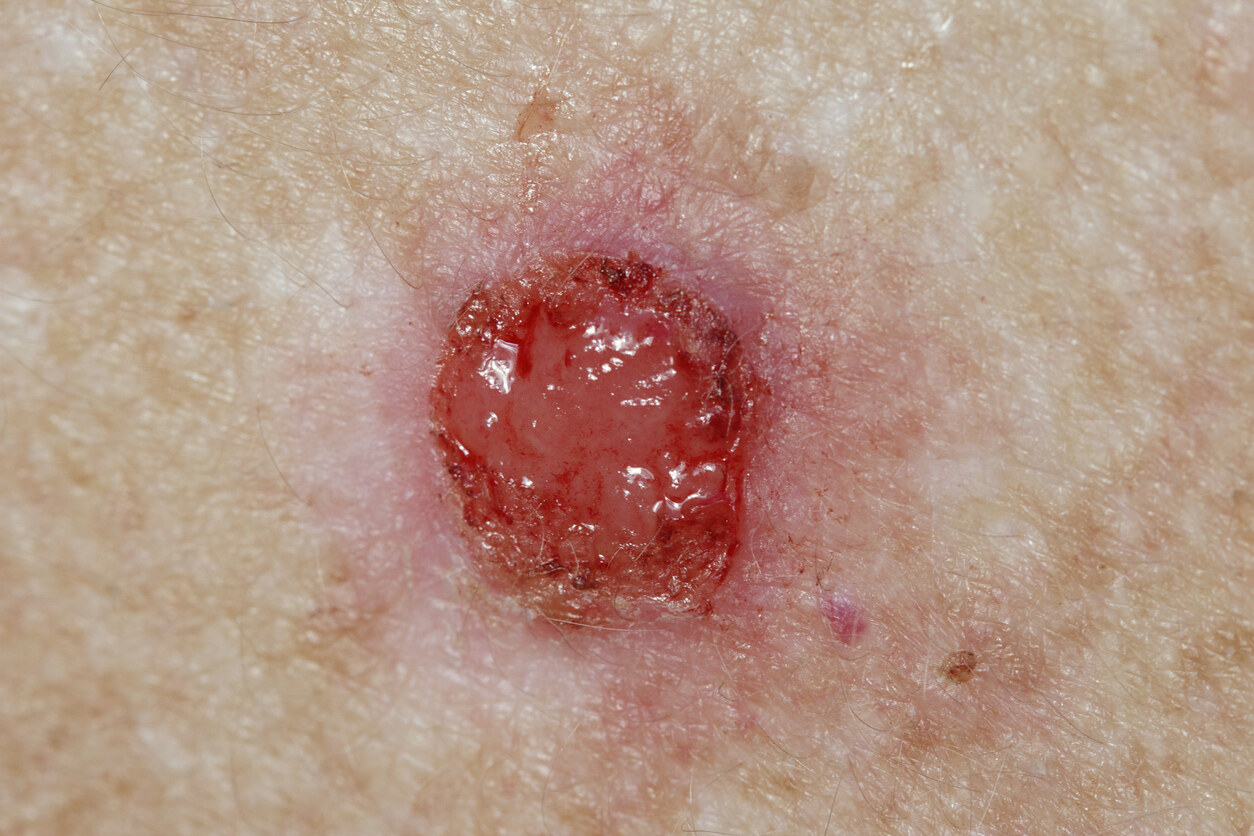

Basal cell carcinoma (BCC) is the most common type of skin cancer in New Zealand, accounting for around 80% of all non-melanoma skin cancers. While often slow-growing, BCC can be locally invasive and cause significant tissue damage if left untreated. Mohs micrographic surgery is the gold-standard treatment for achieving complete tumour clearance, as it allows precise, layer-by-layer removal and immediate microscopic examination to ensure all cancer cells are eliminated while sparing as much healthy tissue as possible.
The Science Behind It
Basal cell carcinoma (BCC) is a type of non-melanoma skin cancer that arises from basal cells located in the deepest layer of the epidermis. It is the most frequently diagnosed skin cancer in New Zealand, particularly in individuals with fair skin and a history of cumulative sun exposure.
BCC typically develops in areas of the body that receive the most ultraviolet (UV) radiation — such as the face, neck, scalp, and hands — but it can occur anywhere. The cancer tends to grow slowly and rarely spreads to other organs; however, it can become locally invasive and cause significant tissue destruction if left untreated. While BCC is not usually life-threatening, early diagnosis and treatment are important to prevent cosmetic and functional complications
Contributing Risk Factors
- UV Exposure: Chronic sun exposure and use of tanning beds are major contributors.
- Skin Type: Fair-skinned individuals with lighter hair and eye colours are at increased risk.
- Age: Most cases occur in adults over 40, though it can appear earlier with excessive sun damage.
- Personal or Family History: Having had BCC before increases the risk of recurrence.
- Immunosuppression: Individuals with weakened immune systems (e.g. transplant recipients) are at higher risk.
Treatment at a Glance
| Treatment Type | Number of Sessions | Procedure Time | Typical Recovery |
|---|---|---|---|
| Mohs Surgery | 1 | 60 minutes + | Approximately 1–2 weeks depending on wound size, reconstruction, and location |
| Standard Excisional Surgery | 1 | 15-60 minutes | Approximately 1–2 weeks depending on wound size, location, and reconstruction |
| Curettage and Diathermy | 1 | 5-15 minutes | Approximately 1–2 weeks depending on the size and depth of the procedure |
| Cryosurgery | 1-2 | 1-5 minutes | Approximately 1–2 weeks depending on lesion size and body location |
| Photodynamic Therapy (PDT) | 2 | 60 -90 minutes | Approximately 5–10 days with temporary redness, crusting, and sensitivity |
Frequently Asked Questions
Basal cell carcinoma is the most common type of skin cancer. It develops in the basal cells, which sit in the deepest part of the epidermis (the outer layer of skin). BCC usually grows slowly and is highly treatable, especially when found early.
Even though it rarely spreads elsewhere in the body, it can still cause problems if it’s left untreated. Over time, it can grow wider and deeper, affecting surrounding skin and nearby structures. This is why doctors recommend assessing and treating it rather than “watching it” indefinitely—early treatment is usually simpler, with a smaller procedure and a better cosmetic outcome.
Important ACC & Treatment Disclaimer
ACC funding eligibility is determined by the Accident Compensation Corporation on a case-by-case basis. Approval is dependent on injury acceptance, clinical indication, and ACC policy at the time of application. Not all treatments offered at Scars & Lasers are ACC-funded. Private fees may apply for unfunded components of care.
Learn more about ACC IncidentsPrecision diagnosis and specialist-led treatment for basal cell carcinoma — combining advanced surgical, non-surgical, and light-based therapies to achieve optimal cancer clearance, skin preservation, and cosmetic outcomes.
Book Your Consultation
Take the first step towards healthier skin. Leave your details below and our friendly team will be in touch to secure your appointment.