

Broken Capillaries, Facial and Neck Redness, and Flushing
At a glanceBroken capillaries and facial veins often lead to ongoing redness, heightened skin sensitivity, and an uneven skin tone. These changes can be linked to factors like genetics, aging, skin conditions, or environmental stress. Fortunately, there are proven treatments available that can reduce the appearance of these vessels and restore clearer, more balanced skin.

The Science Behind It
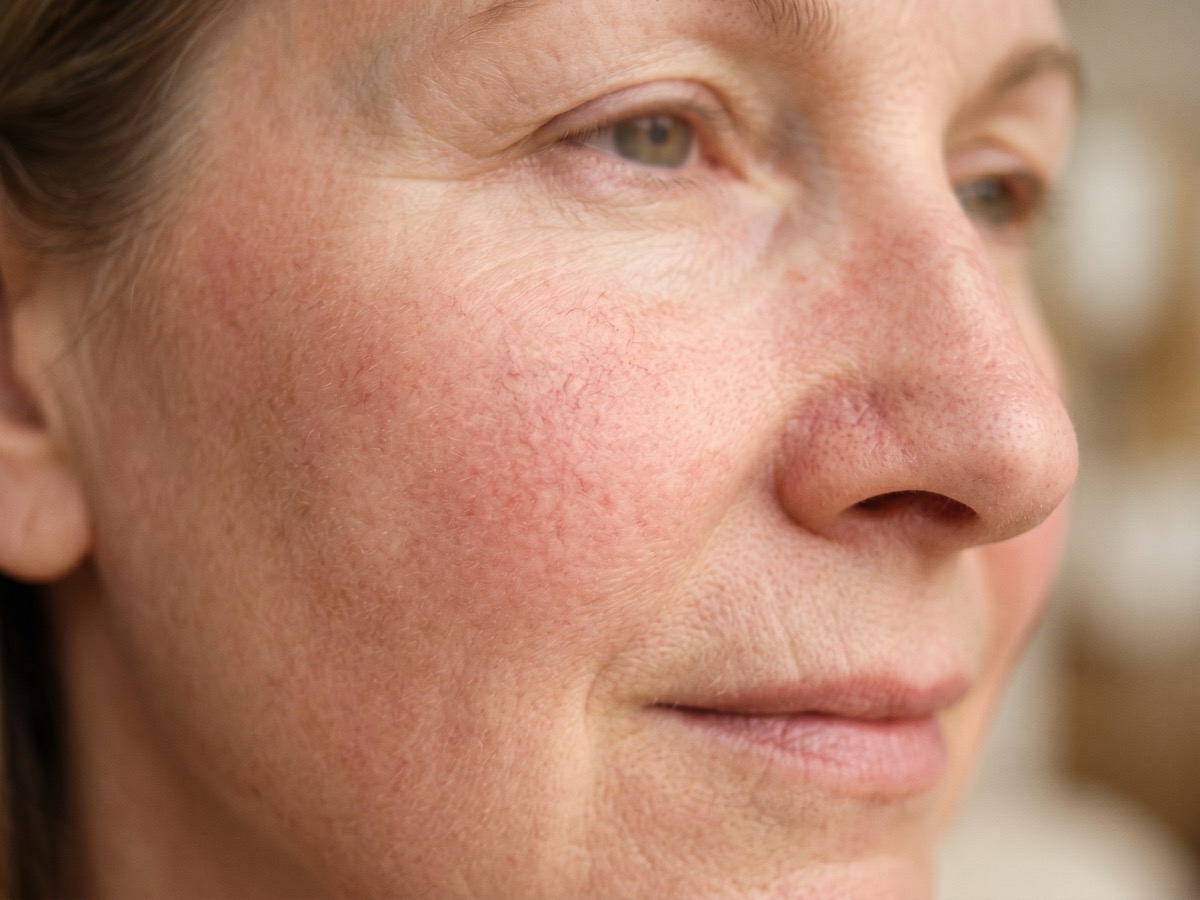
What causes broken capillaries and facial veins?
Rosacea
- This is a common condition that causes facial flushing, persistent redness, and the appearance of broken capillaries or visible facial veins. It’s often influenced by genetics, with a family history of visible blood vessels increasing the likelihood of developing these symptoms
Sun damage
- Exposure to UV radiation can weaken blood vessels and break down the collagen that supports them, making facial veins and redness more noticeable over time.
Ageing
- Thinner skin reduces coverage over blood vessels, making facial veins appear more prominent and visible.
Temperature Changes and Extremes
- Hot showers and exposure to extreme temperatures—whether very hot, cold, or windy—can cause blood vessels to expand and become more visible on the skin.
Inappropriate Use of Steroid Creams
- Prolonged application can damage the skin.
Medication
- Steroid tablets and some treatments for heart conditions.
Treatment at a Glance
| Treatment Type | Number of Sessions | Procedure Time | Typical Recovery |
|---|---|---|---|
| Vbeam® Pulse Dye Laser | 2 - 5+ sessions | 10 - 30 minutes | 3 - 5+ days |
| Excel® V+ | 3 - 5+ sessions | 20 - 30 minutes | 3 - 5+ days |
Redness
Frequently Asked Questions
Facial redness and flushing are most commonly linked to rosacea - a chronic inflammatory condition where the skin flushes easily and can become persistently red and reactive (burning, stinging, and intolerance to many skincare products). Common triggers include:
- Sun exposure and rapid temperature changes (hot showers, cold winds, ocean swimming, ice baths)
- Blood pressure medications that dilate vessels
- Harsh skincare (alcohol/witch hazel, strong cleansers, frequent exfoliation, overuse of anti-ageing actives)
- Hormonal shifts such as menopause
Rosacea often starts as occasional flushing. Over time, episodes can become more frequent and longer-lasting, leading to persistent background redness. Some people develop visible small vessels (telangiectasia) and acne-like bumps. If not well controlled, long-standing inflammation can contribute to thickening and lumpiness of the skin - most commonly on the nose (rhinophyma).
For rosacea-prone skin, Scars & Lasers focuses on a routine that supports the skin barrier and minimises irritation. Cleanser: fragrance-free, gentle, non-exfoliating. - Moisturiser: lightweight and non-comedogenic; look for ceramides/essential fatty acids, glycerin, oat-derived ingredients, and niacinamide. - Sunscreen: daily, fragrance-free and suitable for sensitive skin - often a balanced formula rather than a very heavy pure-mineral product. - Tinted/CC options can help neutralise redness while adding sun protection.
Common triggers include alcohol and spicy foods, histamine-rich foods in sensitive individuals (e.g., aged cheeses, processed meats), heat and extreme cold (saunas, hot showers, cold winds, ice baths), and stress/anxiety. Identifying personal triggers can significantly reduce flare-ups.
Scars & Lasers offers in-clinic options that target both diffuse redness and visible vessels. Vascular laser and light-based treatments (such as Excel® V+, pulsed dye laser, IPL, and Nd:YAG where appropriate) can reduce redness, flushing tendency, and visible vessels, and may also improve rosacea-related bumps in some cases. A course of treatments is usually recommended for best results, with the exact plan tailored to vessel depth, skin type, and sensitivity. Secret RF Microneedling can also be used in selected cases to support collagen, calm inflammation, and improve overall skin resilience.
Yes- used sparingly. Niacinamide can support the barrier and reduce inflammation. Mandelic acid is often one of the more tolerable acids but should be introduced slowly and not used daily. Retinoids may help some people, but overuse can worsen redness - typically limited to 1 or 2 nights per week if well tolerated.
Introduce one new product at a time and increase use slowly. Mild transient stinging can occur, but persistent burning, worsening redness, or increased flushing usually means the product isn't suitable. Keeping routines simple and consistent is often the most effective approach.
Scars & Lasers provides personalised assessments to confirm whether rosacea is the main driver of redness, identify key triggers, and build a practical plan. We offer tailored skincare guidance, vascular laser/light treatments for redness and blood vessels, and RF microneedling options for strengthening and calming reactive skin. If redness or flushing is affecting your confidence or comfort, we can work with you on a step-by-step treatment plan.
Botulinum toxin (often known as “Botox”) is a prescription medicine that relaxes targeted muscles by reducing nerve signalling. In rosacea, it can also be used in very small, superficial “micro-doses” placed into the skin (intradermal / micro-tox) to help calm redness and flushing — not to change facial expression.
- It can be considered when persistent background redness and flushing remain despite gentle skincare, trigger management, topical/oral therapies, and/or vascular laser treatments.
- It tends to suit people whose redness is driven by reactivity and flushing, especially when the skin feels hot, burning, or stinging.
- The aim is usually a subtle-to-moderate improvement (less flushing intensity and softer “always-on” redness), rather than complete clearance.
- The effect is temporary, often lasting a few months, and may be repeated as a maintenance option if it helps.
- It’s thought to work by reducing nerve-driven inflammation and dampening signals that lead to blood vessel dilation, making the skin less reactive over time.
- It’s usually used as an add-on to a broader rosacea plan rather than a stand-alone solution, and should be performed by an experienced clinician to minimise risks like local heaviness, asymmetry, or weakness.
The redness associated with poikiloderma of Civatte can often be improved using specialist vascular laser treatments. At Scars & Lasers, we may treat this with either the Cutera Excel® V+ or the Candela V-Beam, depending on the pattern, depth, and extent of redness.
These advanced vascular lasers target visible redness and broken capillaries in the skin, helping to reduce the red, flushed appearance commonly seen on the face, neck, and décolletage. Treatment is tailored to each patient following a specialist assessment.
Showing 6 of 10 questions
Restore clarity and calm to reactive skin. Target visible vessels, diffuse redness, and flushing with specialist vascular laser expertise
Book Your Consultation
Take the first step towards healthier skin. Leave your details below and our friendly team will be in touch to secure your appointment.