

Hypopigmentation
At a glanceHypopigmentation occurs when areas of skin lose pigment and appear lighter than the surrounding skin. It may follow inflammation, injury, surgery, burns, or certain skin conditions that temporarily or permanently reduce melanocyte activity. At Scars & Lasers, our dermatologists assess the underlying cause and design treatment plans to restore colour and improve overall skin uniformity.
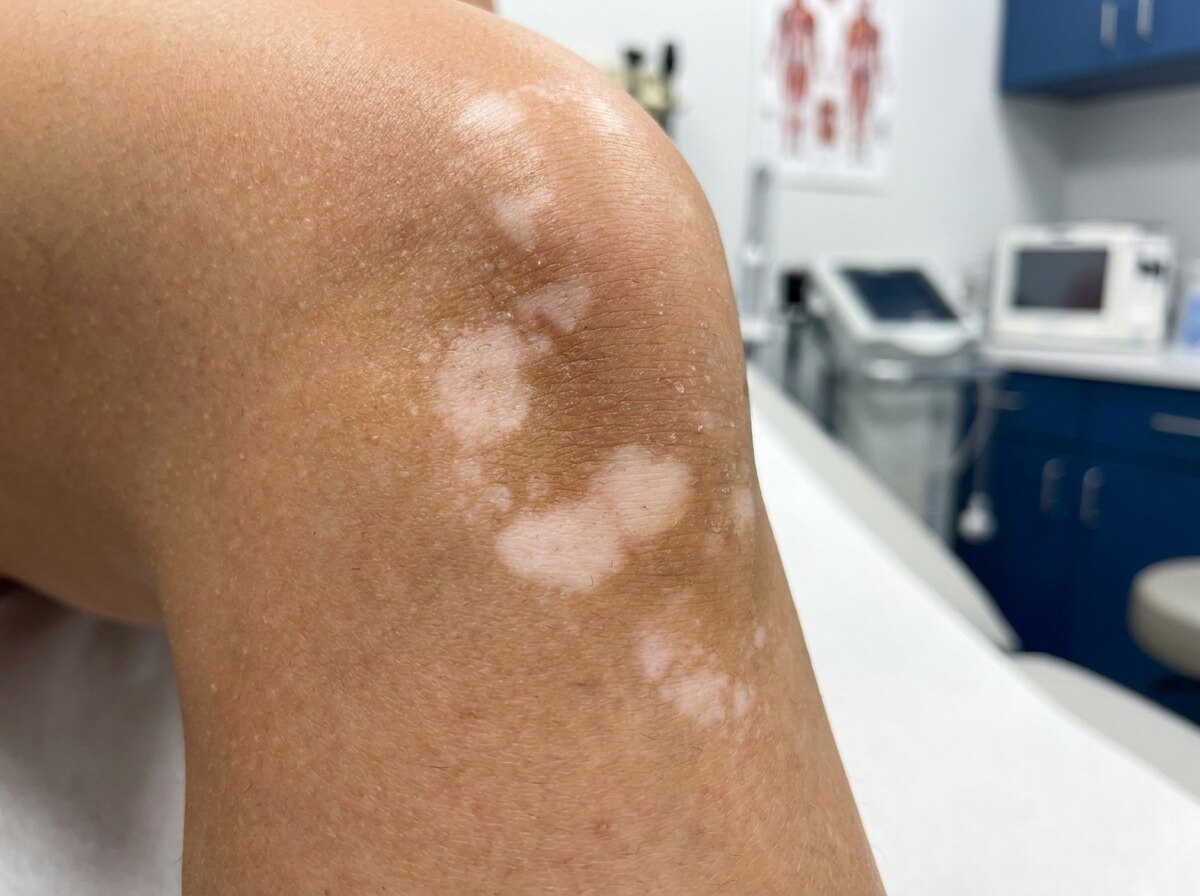

Hypopigmentation refers to lighter patches of skin that arise when pigment cells (melanocytes) produce less melanin than normal or are absent altogether. It can occur in any skin type and may affect small areas (such as a scar) or more extensive regions depending on the underlying trigger.
Common causes include:
- Post-inflammatory hypopigmentation: Following acne, burns, eczema, laser injuries, chemical peels, or trauma.
- Surgical or traumatic scars: Where melanocytes are disrupted or destroyed.
- Ablative or resurfacing lasers: Occasionally cause temporary reductions in pigment, especially in darker skin.
- Chronic skin conditions: Such as psoriasis, atopic dermatitis, or pityriasis alba.
- Melanocyte loss: Seen in conditions like vitiligo (diagnosed separately).
Hypopigmentation is generally harmless but can be cosmetically distressing, especially in visible areas such as the face, neck, arms, or legs. The key to effective treatment is identifying whether pigment cells arestunned, depleted, or absent.
At Scars & Lasers, our dermatologists and laser specialists use a combination of clinical examination, dermoscopy, and advanced imaging to determine how deep and extensive the pigment loss is. Treatment may include:
- Targeted laser or light-based stimulation
- Microneedling
- Fractional laser resurfacing
- Repigmentation techniques
- Topical prescription medicines
- Barrier and inflammation repair
- Adjunctive cosmetic camouflage
- Strategies to prevent further pigment loss
Our goal is always to improve skin colour balance while protecting the surrounding skin and avoiding further injury.
The Science Behind It
Hypopigmentation occurs when melanocytes—the pigment-producing cells in the skin—slow down, become damaged, or disappear. Melanocytes create melanin within melanosomes and transfer this pigment to surrounding skin cells. When this process is disrupted, the affected areas appear lighter.
Why Pigment Is Lost
- Inflammation: Acne, eczema, burns, or injury can temporarily “switch off” melanocyte activity.
- Skin injury: Laser, chemical peels, or trauma can damage melanocytes in the basal epidermis.
- Structural change: Scarring or fibrosis can block melanocyte repopulation.
- Autoimmune loss: In conditions like vitiligo, melanocytes are destroyed (managed separately).
Epidermal vs Dermal Loss
- Epidermal suppression: Usually temporary and can repigment over time.
- Dermal scarring: More resistant, as melanocytes struggle to migrate back into scarred tissue.
How Treatments Help
Treatments aim to stimulate remaining melanocytes, encourage pigment cell migration from nearby skin or hair follicles, improve skin turnover, and repair inflammation or scarring barriers. This allows melanin production to restart and colour to gradually return.
What are the best lasers for Hypopigmentation?
At Scars & Lasers, we treat hypopigmentation by using fractional lasers that gently resurface the skin, stimulate pigment recovery, and open micro-channels for laser-assisted drug delivery. This combined approach helps encourage melanocytes to reactivate and improves overall colour blending in pale or scarred areas.
Acclaro UltraClear®
A cold fractional laser that precisely targets the upper skin layers. It helps soften pale scars, stimulate pigment return, and is ideal for assisted drug delivery to improve repigmentation.
Alma Hybrid™
Combines ablative CO₂ and non-ablative 1570 nm technology in the same treatment. This dual approach helps remodel scar tissue and create optimal conditions for repigmentation and topical penetration.
Fraxel® Restore Dual
A non-ablative fractional laser (1550 & 1927 nm) used to improve skin texture and support gradual melanin redistribution. It can be paired with drug delivery to enhance pigment recovery.
Candela Picosecond Laser
Using ultra-short picosecond pulses, this device creates microscopic laser-induced optical breakdown (LIOB) in the epidermis and dermis. These micro-cavities stimulate cellular repair, promote melanocyte activation, and enhance delivery of topical agents. Ideal for texture improvement and repigmentation support in selected cases of hypopigmentation.
Laser-Assisted Drug Delivery (LADD)
All three devices can be used with LADD, where specialised topicals are applied immediately after fractional treatment. The micro-channels created by the laser improve absorption and help support melanocyte function, particularly in post-inflammatory hypopigmentation.
Treatment at a Glance
| Treatment Type | Number of Sessions | Procedure Time | Typical Recovery |
|---|---|---|---|
| Acclaro UltraClear® | 2 - 5+ sessions | 10 - 30 minutes | 3 - 5+ days |
| Laser Assisted Drug Delivery | 3 - 5 sessions | 30 minutes | 1 - 3 days |
| Alma Hybrid™ | 2 - 5+ sessions | 10 - 30 minutes | 3 - 5+ days |
| Fraxel® Dual Laser | 2 - 5+ sessions | 10 - 30 minutes | 3 - 5+ days |
| Picosecond laser | 2 - 5+ sessions | 10 - 30 minutes | 3 - 5+ days |
Frequently Asked Questions
Yes—but unlike hyperpigmentation, the goal is not to “remove” pigment but to stimulate the skin to naturally repigment. Fractional lasers such as UltraClear, Alma Hybrid™, Fraxel® Restore Dual and picosecond lasers gently remodel the skin, encourage pigment cell recovery, and prepare the area for enhanced topical absorption.
LADD uses the micro-channels created by fractional laser treatment to deliver specialised topical solutions deeper into the skin. These solutions support melanocyte activity, reduce inflammation, and assist the repigmentation process. This combination of laser + targeted topicals is often more effective than either treatment alone.
Repigmentation is gradual. Most patients require aseries of treatments,typically spaced 4–8 weeks apart. The exact number depends on the cause of hypopigmentation, whether melanocytes are stunned or absent, and the presence of scar tissue. Your clinician will outline a personalised plan during your consultation.
Some patients achieve excellent improvement, while others see partial but meaningful repigmentation. Outcomes depend on how deeply the pigment cells were affected and whether scarring is present. Our focus is to blend colour differences, improve texture, and create the best possible cosmetic outcome using a combination of laser therapy and LADD.
Not always. Many cases caused by inflammation or minor injury can repigment over time. Hypopigmentation related to deeper scarring, burns, or melanocyte loss can be more resistant, and treatment aims to blend colour differences rather than guarantee full restoration.
A dermatologist can assess this using clinical examination and tools like dermoscopy or imaging.
- Scarring often blocks melanocyte migration, making repigmentation slower.
- Non-scar hypopigmentation (e.g., post-inflammatory) is more likely to improve with treatment.
Yes, when performed by specialist dermatologists using conservative, pigment-safe settings. Hypopigmentation behaves differently in darker skin, so device selection and laser energy must be carefully tailored to avoid further pigment disruption.
No. Sun exposure can worsen surrounding contrast and increase the risk of hyperpigmentation around the lighter patch. Strict sun protection is essential throughout treatment.
Showing 6 of 8 questions
Transforming skin through advanced laser and energy-based dermatology.
Book Your Consultation
Take the first step towards healthier skin. Leave your details below and our friendly team will be in touch to secure your appointment.