

Rosacea
At a glanceRosacea is a chronic skin condition causing redness, visible blood vessels, and sometimes bumps on the face. It often flares due to triggers like stress, sunlight, or certain foods.
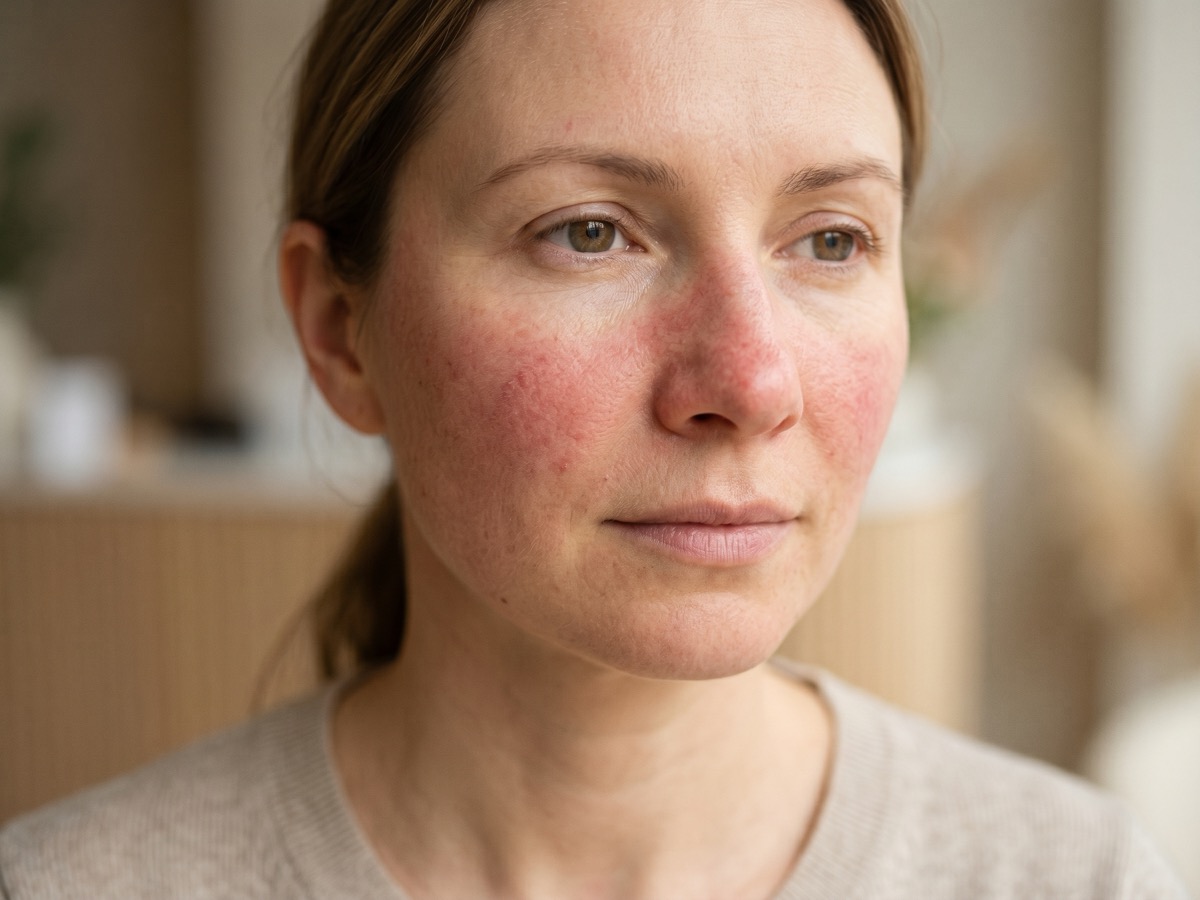

While the exact cause of rosacea isn’t fully understood, several factors are known to play a role in how it develops:
- Sun Damage: Prolonged UV exposure weakens blood vessels and the supporting collagen around them.
- Aging: As skin becomes thinner with age, underlying veins become more visible.
- Temperature Extremes: Hot showers, as well as exposure to very hot, cold, or windy conditions, can dilate facial vessels.
- Steroid Cream Overuse: Long-term use of topical steroids can thin and damage the skin.
- Medications: Certain drugs, such as steroid tablets or treatments for high blood pressure and heart disease, may contribute to visible veins.
- Lifestyle Factors: Alcohol, smoking, and hot drinks can cause facial flushing and vessel dilation.
- Genetics: Some people are naturally predisposed to rosacea and visible facial veins.
Everyone’s experience with rosacea is different, so identifying and avoiding personal triggers is an important part of managing it.
Rosacea Subtypes
Type 1: Flushing & Redness The mildest form, marked by visible capillaries, sensitive skin, and redness triggered by sunlight, spicy food, or skincare products. Burning or stinging is common.
Type 2: Papular Rosacea Persistent redness with acne-like bumps and pustules. Inflammation often makes the redness appear more intense.
Type 3: Ocular Rosacea Affects the eyes, causing dryness, redness, and a gritty feeling. Eyelids may become red and scaly, needing specific care.
Type 4: Skin Thickening (Rhinophyma) An advanced form where skin—especially on the nose—thickens and swells due to enlarged oil glands.
The Science Behind It
Rosacea is a chronic inflammatory skin condition caused by a combination of vascular, immune, and environmental factors. While the exact cause remains unclear, several key mechanisms explain the persistent redness, flushing, and sensitivity seen in rosacea.
1. Over-Reactive Blood Vessels
People with rosacea have facial blood vessels that dilate too easily. Heat, UV, alcohol, stress, or exercise trigger exaggerated flushing, leading to long-term redness and visible capillaries.
2. Immune System Overactivity
The innate immune system is heightened. Increased levels of inflammatory peptides (such as cathelicidins and KLK5) cause redness, swelling, and acne-like bumps.
3. Impaired Skin Barrier
A weakened skin barrier allows irritants to penetrate easily, making the skin more reactive and sensitive. This contributes to ongoing inflammation.
4. Microbial Imbalance (Demodex Mites)
People with rosacea have higher numbers of Demodex mites, which can trigger or worsen inflammation and sensitivity.
5. Neurovascular Sensitivity
Nerves that control facial blood vessels are over-responsive. This explains burning, stinging, and sudden flushing episodes.
6. UV Radiation
UV exposure drives vascular growth, collagen breakdown, and oxidative stress—making rosacea worse over time.
In Summary
Rosacea develops due to a mix of sensitive blood vessels, immune overactivity, a weakened skin barrier, microbial imbalance, and environmental triggers. This is why rosacea varies between individuals and requires a personalised approach to treatment.
Treatment at a Glance
| Treatment Type | Number of Sessions | Procedure Time | Typical Recovery |
|---|---|---|---|
| Excel® V+ | 3 - 5+ sessions | 20 - 30 minutes | 3 - 5+ days |
| Vbeam® Pulse Dye Laser | 2 - 5+ sessions | 10 - 30 minutes | 3 - 5+ days |
| BBL HERO™ | 2 - 4 sessions | 20 - 40 minutes | 2 - 3 days |
Frequently Asked Questions
While the exact cause of rosacea isn’t fully understood, several factors are thought to play a role:
- Genetics: Rosacea often runs in families, suggesting a genetic link.
- Immune Response: An overactive immune reaction to certain bacteria or environmental factors may contribute.
- Blood Vessel Function: Irregular blood vessel activity can lead to persistent redness and visible veins.
- Skin Mites (Demodex): People with rosacea often have higher numbers of these naturally occurring skin mites.
- Environmental and Lifestyle Triggers: Common flare-up triggers include sun exposure, spicy foods, alcohol, stress, temperature extremes, and certain skincare products.
Rosacea often begins with intermittent flushing but may gradually lead to more persistent and visible redness. As rosacea progresses, the skin can become increasingly sensitive and prone to reacting to skincare products, environmental shifts, or even diet and emotional stress. Without proper management, small visible blood vessels (telangiectasia) and acne-like bumps may develop. In some advanced cases, particularly in men, rosacea can lead to thickening of the skin on the nose, a condition known as rhinophyma.
A number of lifestyle and dietary habits can aggravate facial redness and trigger flushing episodes. These include:
- Spicy foods and alcohol, which increase blood flow to the skin
- Foods high in histamine, such as aged cheese and processed meats, which may lead to itchiness, redness, and flushing
- Temperature extremes, such as hot showers, saunas, cold winds, or ice baths
- Emotional stress and anxiety are common internal triggers for flushing
A suitable routine for rosacea and redness-prone skin should prioritise gentle, barrier-strengthening products that soothe inflammation. Key recommendations include:
- Mild Cleanser: Use a fragrance-free, hydrating cleanser made for sensitive skin. Avoid scrubs or harsh foaming products.
- Moisturiser: Choose lightweight, non-pore-clogging formulas enriched with:
- Ceramides and essential fatty acids (linoleic and oleic acids) to strengthen the skin barrier
- Glycerine to lock in moisture
- Niacinamide and oat-based ingredients for calming and anti-inflammatory benefits
- Avoid heavy creams that can trap heat and aggravate flushing.
- Sun Protection: Opt for sunscreen that:
- Combines mineral filters (like zinc oxide or titanium dioxide) with non-irritating chemical filters
- Is fragrance-free and suitable for sensitive skin
- Colour Correcting Creams: Tinted formulas can provide coverage for redness while offering additional sun protection.
Several advanced treatments are available to help reduce the redness, flushing, and sensitivity associated with rosacea:
- Laser Treatments: These therapies target visible and deeper blood vessels to reduce persistent redness and improve skin tone. A combination of laser and light-based devices is often used over a series of sessions to achieve the best results. In addition to calming redness and flushing, vascular lasers can also improve acne-like lesions and sensitivity.
- Botulinum Toxin for Facial Flushing and Redness(An advanced treatment option for persistent redness and rosacea)At Scars & Lasers, we offer advanced, precision-based treatments for facial redness and rosacea. For patients whose flushing or persistent redness does not respond to topical or laser therapy, botulinum toxin can provide effective relief. When injected in micro-doses just beneath the skin, botulinum toxin helps to calm overactive facial blood vessels and reduce the nerve signals that trigger warmth, flushing, and redness. This technique—sometimes called “micro-botox”—works by interrupting the cycle of vasodilation and inflammation that drives rosacea symptoms. Benefits
- Reduces the intensity and frequency of facial flushing
- Softens background redness and warmth
- Improves comfort and skin sensitivity
- Complements laser and topical rosacea treatments
Treatment is quick, minimally invasive, and requires no downtime. Results are usually visible within two weeks and last around three to four months, with ongoing improvement through repeat sessions. This therapy is particularly suited to flushing-predominant rosacea, (especially in cases with exercise-induced flushing) heat-sensitive skin, or rebound redness following laser treatments. As this is an off-label but well-studied approach, all procedures are performed by experienced dermatologists who specialise in rosacea and vascular skin conditions.
Yes — topical rosacea treatments can help reduce redness, inflammation, sensitivity, and flushing in many patients, although the degree of improvement depends on the subtype of rosacea and the degree of vascular involvement present.
Prescription creams and gels commonly used in rosacea include:
- Metronidazole cream or gel — helps reduce inflammation, irritation, and background redness in inflammatory rosacea.
- Azelaic Acid — commonly used to reduce inflammatory papules, pustules, and uneven redness while also helping improve skin texture.
- Ivermectin cream — reduces inflammatory lesions and may help calm persistent inflammation associated with rosacea.
- Brimonidine gel — temporarily constricts superficial facial blood vessels to reduce visible redness for several hours.
- Oxymetazoline cream — also works by narrowing superficial blood vessels to reduce persistent facial erythema.
Important considerations with vascular-constricting creams:
- Treatments such as Brimonidine and Oxymetazoline may provide temporary improvement in redness, but some patients can experience rebound flushing or irritation.
- These agents reduce redness visually but do not permanently treat abnormal blood vessels or vascular instability.
Barrier-repair moisturisers and sensitive skin support:
Barrier dysfunction is extremely common in rosacea-prone skin, so moisturisers designed to restore the skin barrier are often an important part of treatment. Commonly recommended options include:
- La Roche-Posay Toleriane range
- Avène Antirougeurs and Tolérance ranges
- CeraVe moisturising creams and lotions containing ceramides
- Cetaphil gentle skin cleansers and moisturisers
- Bioderma Sensibio range for reactive skin
- SkinCeuticals phyto-corrective and calming formulations for sensitive skin
Additional skincare precautions:
- Avoid harsh exfoliants, scrubs, foaming cleansers, and strong active ingredients during flare-ups.
- Introduce only one new product at a time.
- Use fragrance-free and alcohol-free formulations wherever possible.
- Daily broad-spectrum sun protection is essential, as UV exposure is a major rosacea trigger.
- Persistent flushing, broken capillaries, and background redness often respond more effectively when topical therapy is combined with vascular laser treatments such as pulsed dye laser or Nd:YAG/Laser Genesis treatments.
Rosacea management is often most successful when prescription therapy, barrier repair, trigger avoidance, skincare modification, and laser-based vascular treatments are carefully combined.
Rosacea-prone skin has a weakened skin barrier and an over-reactive neurovascular response, meaning even “normal” skincare products can trigger burning, flushing, redness, or irritation. The goal is to calm inflammation, protect the skin barrier, and minimise unnecessary stimulation.
Important precautions for reactive rosacea skin:
- Avoid harsh exfoliants such as strong acids, scrubs, peels, or overuse of retinoids during active inflammation.
- Introduce only one new skincare product at a time and patch test first.
- Choose fragrance-free, alcohol-free, and non-irritating formulations wherever possible.
- Avoid products that create tingling, stinging, heat, or tightness after application.
- Use gentle cleansers rather than foaming or stripping cleansers that disrupt the skin barrier.
- Avoid excessive rubbing, cleansing brushes, or abrasive towels.
- Daily sun protection is essential, as UV exposure is a major trigger for flushing and vascular inflammation.
- Be cautious with “active” ingredients such as vitamin C, retinol, glycolic acid, and benzoyl peroxide, which may aggravate sensitive skin if introduced too aggressively.
- Maintain regular moisturisation to support barrier repair and reduce skin reactivity.
- During flare-ups, simplify the routine and focus on calming, protective skincare rather than multiple treatment products.
Showing 6 of 7 questions
Precision vascular laser care to calm redness, reduce flushing, and restore a more even, resilient complexion.
Book Your Consultation
Take the first step towards healthier skin. Leave your details below and our friendly team will be in touch to secure your appointment.